Understanding the Fundamental Purpose of Conformation
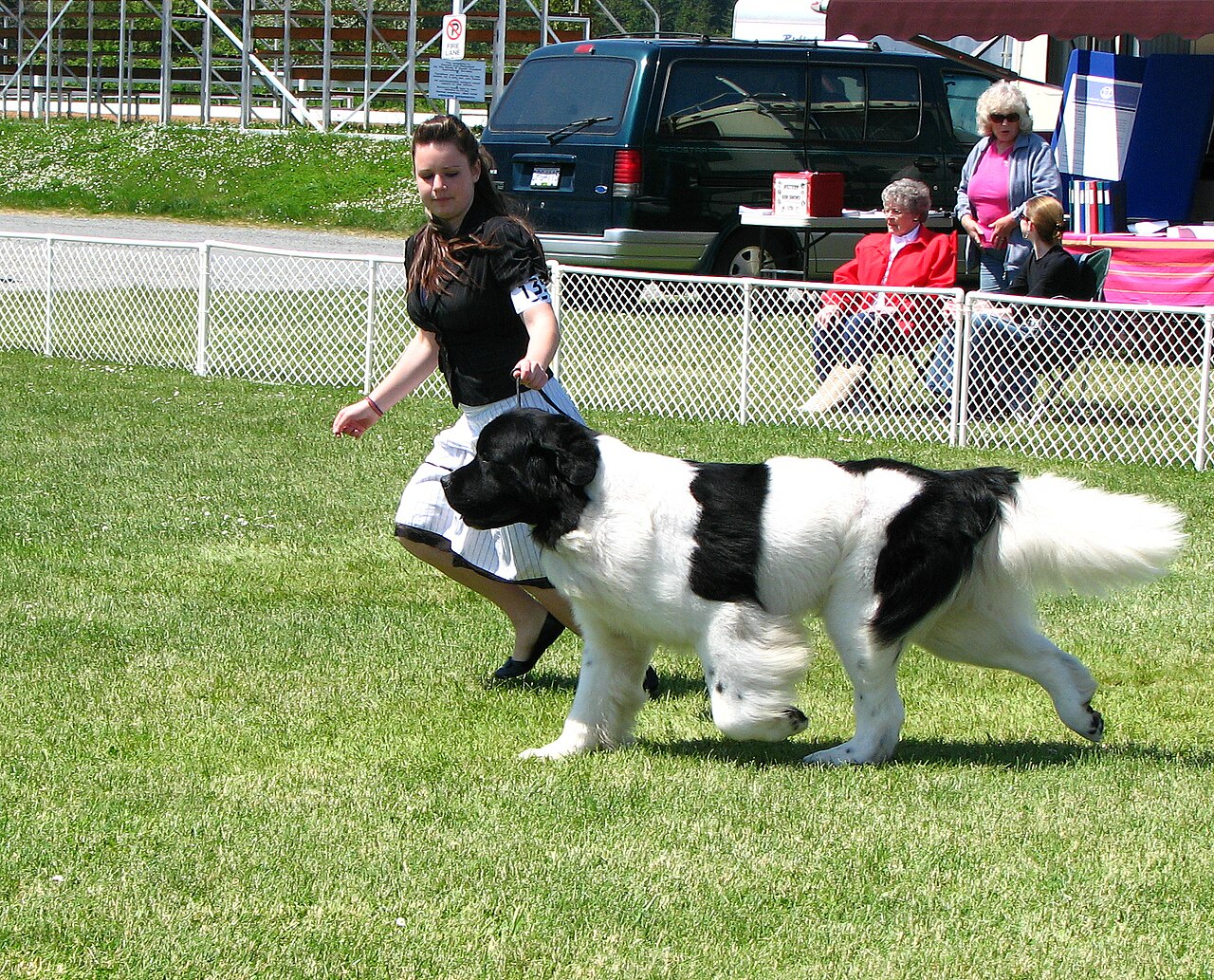
Conformation events originated as a structured environment where breeders could evaluate their breeding stock against an established benchmark. Rather than racing or performing specific tasks, participating canines are judged on how closely they compare to their specific breed's official standard. Visitors attending these exhibitions observe a historical evaluation process designed to preserve physical traits and structural soundness across generations. While the competitive thrill remains central for participants, the underlying framework serves as an ongoing assessment tool for breed preservation. Observers who recognize this foundational objective can better appreciate why judges focus intently on anatomical details rather than superficial handler presentation or audience appeal during evaluation rounds.
Navigating the Initial Sex and Regular Class Divisions
Every conformation event initiates its evaluation sequence at the individual breed level, where entries are strictly divided by sex before moving into specific classes. Male dogs are judged first, followed immediately by female entries in parallel class brackets. Owners and handlers enter their animals into regular categories that accommodate varying stages of maturity and breeding history, including puppy divisions, amateur-owner-handler classes, and open groups. Judges award numerical placements accompanied by colored ribbons for the top four positions in each initial class. This granular sorting ensures that young prospects and mature breeding stock are evaluated within appropriate developmental cohorts before top contenders advance to higher-level elimination rounds for championship points.
Tracing the Path to Winners Dog and Winners Bitch
Following the conclusion of regular class evaluations, all male dogs that secured a first-place ribbon in their respective categories return to the ring to compete for the title of best male, formally designated as Winners Dog. Winning this specific bracket awards championship points alongside a distinctive purple ribbon, marking a major milestone in a dog's campaign. The animal that placed second in that specific class to the winner is then brought back to contend for Reserve Winners Dog against remaining first-place class leaders. This exact elimination and reserve selection process is subsequently repeated for females to award Winners Bitch and Reserve Winners Bitch, establishing the definitive slate of top point earners for that breed before broader competition resumes.
Evaluating Champions and the Best of Breed Award
The ultimate showdown at the breed level occurs within the Winners Class, where newly designated winners compete directly against dogs that have already earned their official championships of record, alongside non-regular class winners. Judges examine this elite assemblage to determine the Best of Breed recipient, who receives a purple and gold ribbon representing the pinnacle of that breed's competition. Additional honors are distributed at this stage, including Best of Winners, Best of Opposite Sex for the contrasting gender, and Select awards recognizing outstanding champion dogs and bitches. Understanding these fine distinctions prevents spectators from viewing the process as a simple single-winner race, highlighting instead a comprehensive evaluation of diverse age brackets and established champions.
Transitioning from Breed Rings to Seven Group Classifications
At all-breed and group shows, the journey continues as individual Best of Breed winners advance beyond their immediate rings into broader group competitions. The American Kennel Club organizes recognized breeds into seven distinct classifications based on original functional heritage, such as Sporting dogs bred to hunt game birds, Hounds bred for tracking by sight or scent, and Working dogs historically tasked with guarding or pulling carts. Additional groups encompass Terriers, Toys, Non-Sporting companions, and Herding breeds. Within each group ring, a judge evaluates the diverse finalists and awards four distinct placements, culminating in a first-place blue rosette or ribbon that secures advancement for the ultimate contest of the entire exhibition schedule.
Reaching the Pinnacle at the Best in Show Ring
The final stage of an all-breed conformation event brings together the first-place winners from each of the seven distinct groups to compete for the highest honor of the exhibition. From this elite group of undefeated contenders, the judge evaluates structural harmony and breed standard adherence one final time before naming a single animal as Best in Show, accompanied by a traditional red, white, and blue ribbon. A Reserve Best in Show is also selected to recognize the runner-up among the group victors. For spectators, tracing this multi-tiered progression transforms a crowded exhibition hall into an organized display of canine architecture, revealing how individual class winners systematically culminate in a single undefeated champion.
Distinguishing All-Breed Exhibitions From Specialty Shows
Visitors planning their exhibition schedules must recognize the operational differences between standard all-breed events and dedicated specialty shows. While all-breed formats showcase more than 190 recognized varieties in simultaneous rings, specialty shows focus exclusively on a single breed or distinct varieties of one breed, such as the multiple coat types of Poodles. National specialties, often hosted annually by a breed's parent club, draw passionate enthusiasts from across the country to celebrate their preferred stock in concentrated numbers. Recognizing these structural distinctions allows attendees to tailor their viewing strategy, whether they seek the broad variety of an all-breed weekend or the deep breed-specific educational seminars typical of national specialty gatherings.
How this article was prepared
This article used automated drafting and checks against the linked sources. Its photograph is identified and credited separately. Please use our correction link to report an error.
Continue exploring
Explore related events
Current facts come from the directory. Follow the exact listing for admission, venue information and the official source.
Western Reserve Kennel Club Dog Show Weekend 2026 · Nov 28 – Nov 29, 2026 · scheduled · Public spectator admission confirmed — check current visitor conditions and availability
Joplin Missouri Reptile Show 2026 · Nov 28 – Nov 29, 2026 · scheduled · Public visitor admission advertised; check current tickets and entry rules.
ReptiDay Port Charlotte — November 2026 · Nov 28, 2026 · scheduled · Check organizer for ticket availability and current visitor rules.
Repticon Raleigh — November 2026 · Nov 28 – Nov 29, 2026 · scheduled · Check organizer for ticket availability and current visitor rules.
Sources and further reading
- The Road to Best in Show – American Kennel Club ↗
- Explanation of All-Breed and Specialty Shows – American Kennel Club ↗
Source review: 2026-11-19. Examples identified as hypothetical are original illustrations.
An independently researched feature. Worked examples are illustrative; photographs identify their archive or collection context.
Find your next event →