
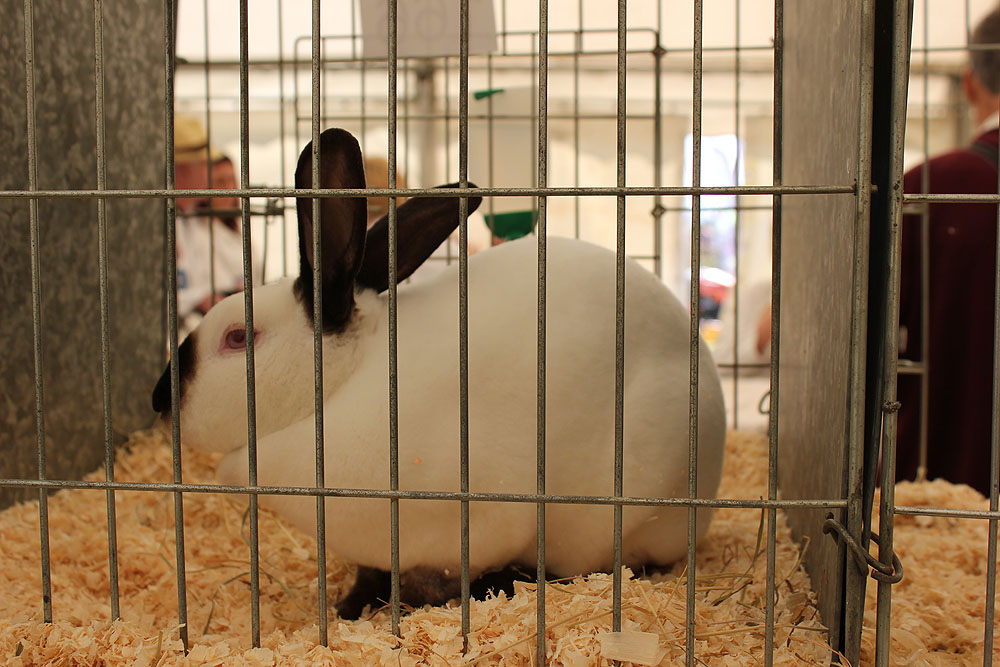
Understanding the Official Show Framework
Entering an official rabbit and cavy exhibition requires strict adherence to published guidelines governed by organizations like the American Rabbit Breeders Association. When visitors walk through the exhibition hall, every animal present is subject to standardized bylaws that dictate everything from entry deadlines to permanent identification requirements. Show sponsors must publish comprehensive catalogs detailing entry criteria, venue locations, and start times well in advance. This structured environment ensures fair competition among breeders while maintaining orderly operations across all sanctioned classes and breed categories on the exhibition floor.
Decoding Point Calculations and Awards
Exhibition scoring relies on a specific point-to-count formula rather than arbitrary judgment. First-place finishes earn six points, second place yields four, third place awards three, fourth place grants two, and fifth place contributes one point to an animal's total. To calculate cumulative points for a specific placement, officials multiply the number of animals actually exhibited and judged in that class by the assigned point value. Understanding this arithmetic helps spectators interpret why certain displays earn top honors and clarifies how specialty club awards and sweepstakes standings are officially tallied during competitive events.
Permanent Identification and Earmarking
Before any rabbit or cavy can step onto the judging table, it must possess permanent identification in the form of a legible tattoo or ear tag located in its left ear. The American Rabbit Breeders Association strictly mandates that this earmark contain only numerals from zero to nine or letters from the English alphabet without any profane or sexual language. Animals lacking readable markings or possessing ear numbers that fail to match the official entry documentation face immediate disqualification from their class. This mandatory identification protocol protects the integrity of the registry and prevents administrative mix-ups during large multi-breed shows.
Class Structures and Multiple Entries
Exhibition schedules accommodate various age groups and fur types through clearly defined class structures outlined in the official Standard of Perfection. Rabbits may be shown in appropriate showroom classes alongside breed-specific fur or wool classes and commercial normal fur categories, provided they meet specific age and breed criteria. Younger pre-junior classes serve primarily for exhibition and educational purposes, generally remaining ineligible for higher championship awards unless local show committees authorize special recognition. This compartmentalized approach allows breeders to evaluate animals across multiple developmental stages without creating scheduling conflicts on the judging tables.
The Judge-Based Showmanship Tradition
Unlike many other animal exhibition disciplines that rely heavily on handler-led presentation, rabbit and cavy showmanship focuses squarely on a judge-based evaluation model. The licensed ARBA judge directly handles and poses each animal to give every specimen an optimal opportunity to display its breed characteristics. Showmanship contests evaluate the participant's manual skills in transporting and posing the animal while testing their knowledge of standard terminology. This educational framework helps youth and new breeders learn proper handling techniques and identify potential disqualifications before their animals ever reach official competition tables.
Biosecurity and Health Protocols
Maintaining herd health at public exhibitions requires rigorous biosecurity measures enforced by show management and recommended by breed associations. Exhibitors and show officials are encouraged to wash vehicle undercarriages and transport trailers before arriving at and departing from the venue. Furthermore, participants residing in regions with recent health concerns often must provide official health certificates issued within a strict fourteen-day window prior to the event. Show committees retain the authority to refuse any entry for due cause, ensuring that public displays prioritize animal welfare and disease prevention above all else.
Interpreting Results and Departures
Navigating the conclusion of a competitive exhibition involves strict procedural rules regarding placements and higher-level awards. If an animal wins a competitive award but must leave the show before higher overall championships are selected, it retains its initial placement while forfeiting eligibility for higher honors. Crucially, judges and show officials cannot move remaining animals upward to fill the vacancy left by a departed participant. Observers should note these administrative nuances when following tournament brackets, as they ensure that every grand champion leg is earned through direct head-to-head comparison on the final judging stage.
How this article was prepared
This article used automated drafting and checks against the linked sources. Its photograph is identified and credited separately. Please use our correction link to report an error.
Continue exploring
Explore related events
Current facts come from the directory. Follow the exact listing for admission, venue information and the official source.
Repticon Dallas — November 2026 · Nov 21 – Nov 22, 2026 · scheduled · Check organizer for ticket availability and current visitor rules.
Repticon Huntsville — November 2026 · Nov 21 – Nov 22, 2026 · scheduled · Check organizer for ticket availability and current visitor rules.
Fayetteville Arkansas Reptile Show 2026 · Nov 21 – Nov 22, 2026 · scheduled · Public visitor admission advertised; check current tickets and entry rules.
Sioux Falls South Dakota Reptile Show 2026 · Nov 21 – Nov 22, 2026 · scheduled · Public visitor admission advertised; check current tickets and entry rules.
Sources and further reading
Source review: 2026-11-13. Examples identified as hypothetical are original illustrations.
An independently researched feature. Worked examples are illustrative; photographs identify their archive or collection context.
Find your next event →










