
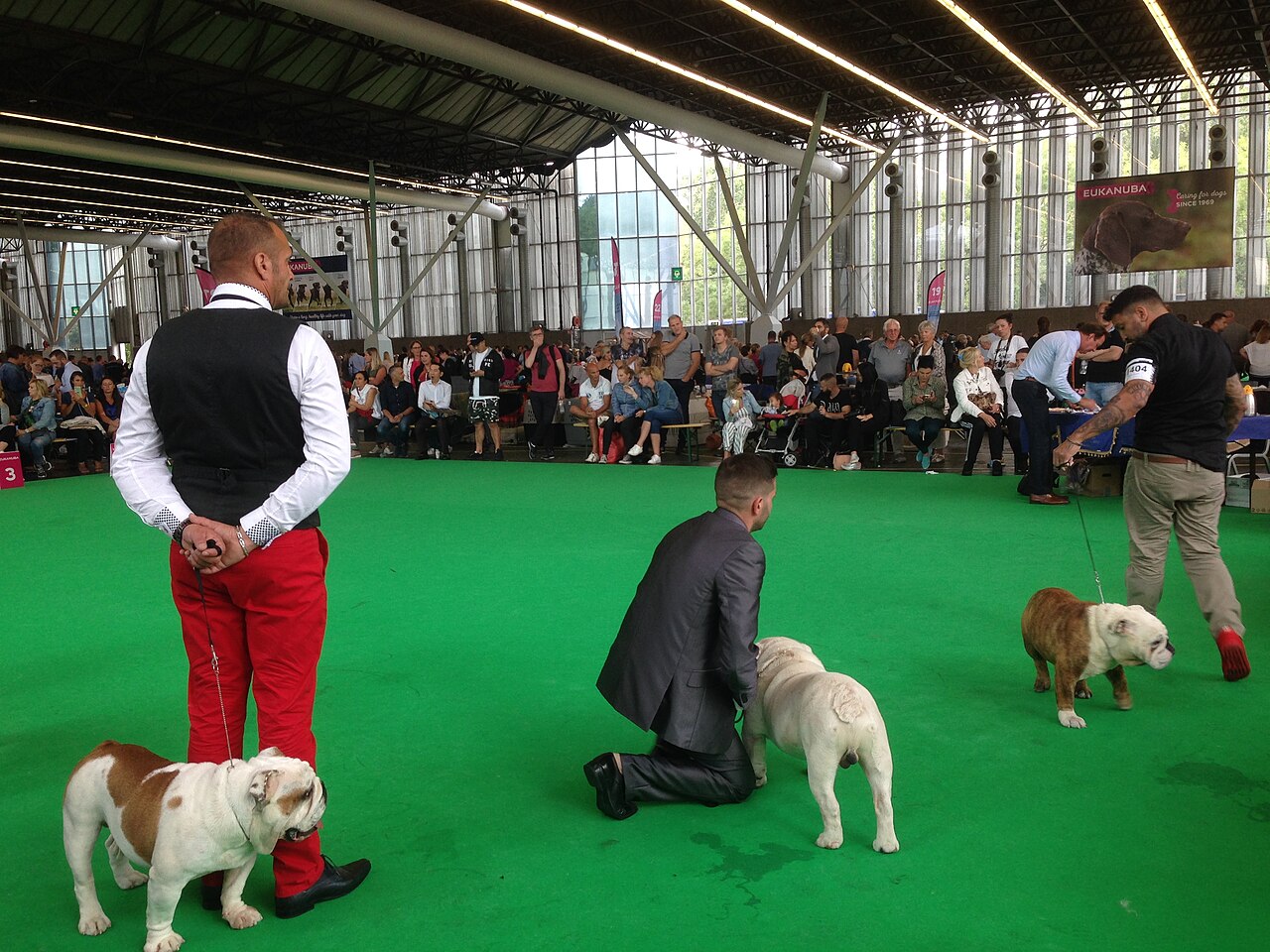
Tracing Working Roots to the Modern Show Pen
Modern equine exhibitions often look back to utilitarian origins where horses were indispensable partners on working ranches and historical estates. In reining disciplines, the required agility and responsiveness directly mirror tasks once performed to manage livestock across vast ranges. Animals needed to navigate changing terrain quickly, establishing a functional foundation that eventually transitioned into structured sporting formats. Today, visitors observing these events witness how those essential ranch maneuvers have been refined into precise athletic displays within enclosed arenas, separating everyday agricultural utility from specialized competition performance.
Recognizing Dressage as an Olympic Sport
Competitive dressage stands apart as one of the three recognized equestrian disciplines featured in the Olympic Games. Rather than focusing on speed or agility over obstacles, it serves as a systematic method for showcasing progressive levels of training through a sequence of required movements. Spectators and attendees reviewing program notes will find that these exhibitions emphasize harmony between horse and rider. The structure demonstrates deep technical mastery, with competitors executing specific routines that highlight obedience, balance, and collection across multiple organized tiers of difficulty.
Navigating Progressive Levels and Guidelines
Both dressage and reining feature distinct internal hierarchies that dictate how participants advance through competitions. Dressage currently incorporates nine progressive levels of competition, allowing participants to move forward only when both horse and rider meet established proficiency standards. These tiers provide a clear roadmap for participants and help spectators understand why certain routines look vastly different from others. Visitors reviewing event schedules should note that these levels are open to various breeds, proving that structural training principles apply broadly rather than to a single exclusive type of horse.
Patterns and Precision in Reining Formats
For visitors exploring reining exhibitions, understanding the governing pattern book adds significant depth to the spectator experience. There are a total of 13 approved official reining patterns that dictate the exact sequence of movements an exhibitor must perform. Judges evaluate each individual performance based on strict criteria applied to compulsory actions such as small slow circles, large fast circles, and rapid spin maneuvers. Recognizing that these patterns are standardized helps audiences appreciate the high degree of control required to execute complex maneuvers without visible resistance from the animal.
Signature Movements That Define the Sport
Certain actions within equestrian demonstrations immediately capture audience attention due to their dramatic execution and technical difficulty. In reining events, the sliding stop serves as an iconic hallmark of the discipline, showcasing the horse stopping forward momentum while its hind legs slide across the footing. Similarly, dressage programs frequently feature musical freestyle classes, which allow exhibitors to combine compulsory elements with individual creativity and artistic expression. These specialized classes often become fan favorites, transforming technical evaluations into engaging public spectacles supported by synchronized musical accompaniment.
Broad Accessibility Across Equine Breeds
A common misconception among first-time spectators is that high-level competitive riding is restricted to specialized or rare breeds. In practice, modern disciplines actively welcome diverse equine backgrounds, provided the animals possess the necessary training, soundness, and athletic preparation. Reining and dressage programs both accommodate multiple breeds, shifting the focus away from superficial characteristics and toward functional execution. This inclusivity expands participation rates significantly, allowing enthusiasts from various backgrounds to engage with structured equine sports at local, regional, and national levels.
Governance, Resources, and Ongoing Support
Behind every structured exhibition lies a complex framework of rules, governing bodies, and educational resources designed to maintain competitive integrity. Organizations like US Equestrian establish detailed rulebooks, manage official ranking lists, and partner with specialized platforms to publish enhanced results. Philanthropic organizations such as the USET Foundation further support elite and developing high-performance athletes by funding training, travel, and educational initiatives. For event attendees, understanding this administrative backing reveals how individual performances in the show ring connect to a much larger national and international sporting network.
How this article was prepared
This article used automated drafting and checks against the linked sources. Its photograph is identified and credited separately. Please use our correction link to report an error.
Continue exploring
Explore related events
Current facts come from the directory. Follow the exact listing for admission, venue information and the official source.
Repticon Huntsville — November 2026 · Nov 21 – Nov 22, 2026 · scheduled · Check organizer for ticket availability and current visitor rules.
Fayetteville Arkansas Reptile Show 2026 · Nov 21 – Nov 22, 2026 · scheduled · Public visitor admission advertised; check current tickets and entry rules.
Sioux Falls South Dakota Reptile Show 2026 · Nov 21 – Nov 22, 2026 · scheduled · Public visitor admission advertised; check current tickets and entry rules.
Repticon Dallas — November 2026 · Nov 21 – Nov 22, 2026 · scheduled · Check organizer for ticket availability and current visitor rules.
Sources and further reading
Source review: 2026-11-01. Examples identified as hypothetical are original illustrations.
An independently researched feature. Worked examples are illustrative; photographs identify their archive or collection context.
Find your next event →










