
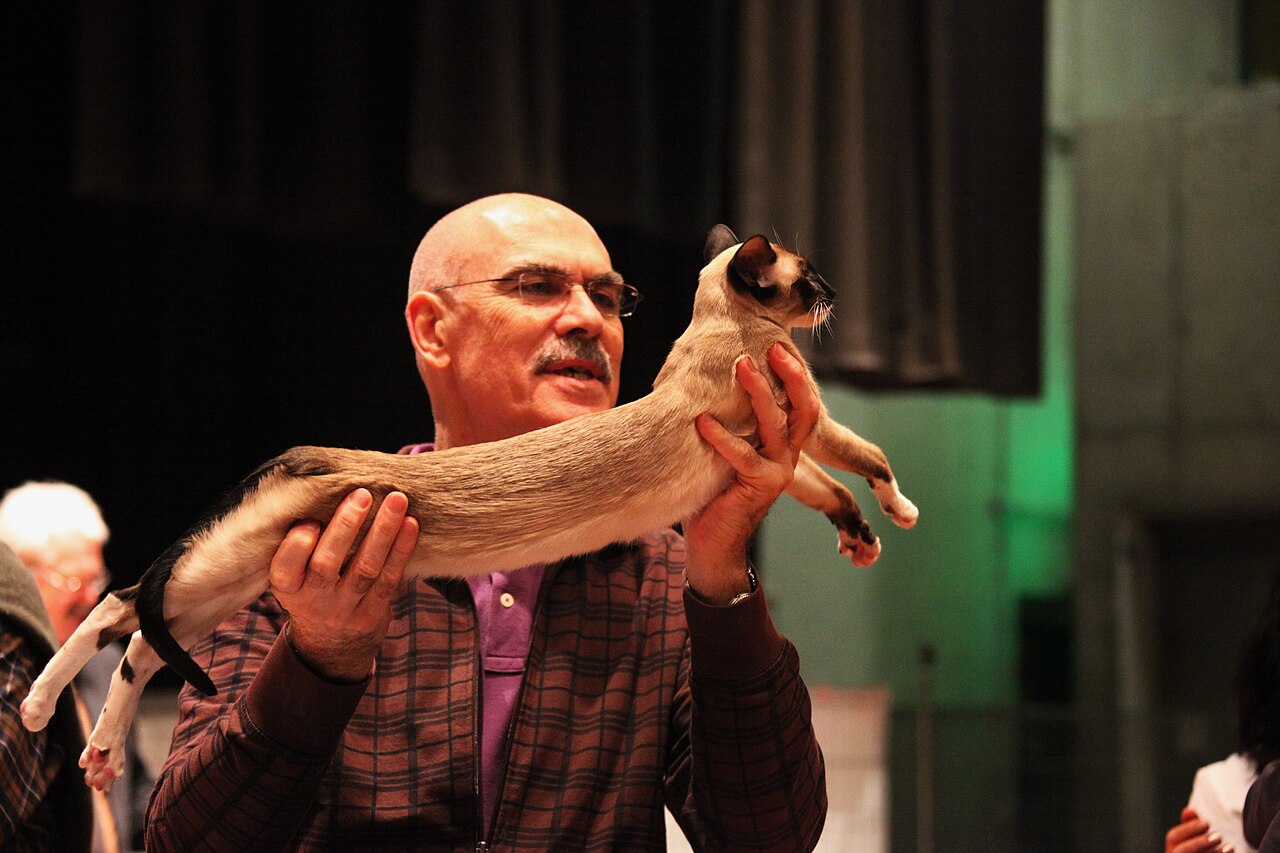
Navigating Multiple Concurrent Rings In The Show Hall
When entering a cat show hall, visitors often encounter a dynamic environment featuring several individual shows running concurrently across different judging rings. Rather than following a single linear progression, the entire exhibition space operates as a collection of separate competitions operating simultaneously. Each ring is presided over by an independent judge who presents awards and evaluations completely separate from the decisions happening in adjacent spaces. A feline that achieves high placement under one judge in the morning may receive a different evaluation in another ring during the afternoon. Understanding this multi-ring layout helps spectators realize that placements reflect individual judges applying written standards rather than a single unified ranking across the entire venue floor.
Interpreting The Written Breed Standard As A Blueprint
Every feline entered in official competition is evaluated against a specific written standard established for its particular breed, with the sole exception of the household pet class. According to the Cat Fanciers' Association documentation, this standard functions simultaneously as a structural blueprint and a constitutional guideline. It outlines the precise physical characteristics of the ideal specimen while allowing for periodic revisions by breed council members. This document provides enough objective precision for judges to assess animals accurately while leaving appropriate room for professional interpretation among experienced evaluators. For visitors, recognizing that cats are measured against a documented structural ideal rather than against each other directly explains why varied physical traits are highlighted during ring evaluations.
Distinguishing Allbreed And Specialty Ring Competitions
Show schedules typically divide judging into distinct categories known as allbreed and specialty competitions. In an allbreed ring, felines of any coat length or type compete directly against one another for various honors and placements. Conversely, specialty rings restrict competition exclusively to animals sharing similar coat lengths or specific structural types. Following these category divisions allows visitors to observe how judges shift their focus from broad structural diversity to specialized coat and type attributes depending on the active ring schedule. At the conclusion of these individual evaluations, judges conduct their finals to announce their top selections, creating the energetic highlight of the exhibition program where top-performing animals receive formal recognition.
Understanding The Essential Roles That Keep Rings Moving
Behind the seamless progression of judging events stands an organized team supporting each ring official. The ring clerk plays a central role by calling scheduled participants to the evaluation area, documenting awards precisely as stated by the judge, and supervising ring stewards. These operational duties ensure that every animal is evaluated efficiently according to the catalog sequence. Spectators who observe this administrative workflow gain insight into how large numbers of entries are processed throughout a busy exhibition day. Knowing the responsibilities of ring staff also helps visitors identify when it is appropriate to approach the area with questions without interrupting the active evaluation of animals.
Practicing Thoughtful Etiquette Around Grooming Areas
While exhibition halls welcome public visitors, the spaces immediately surrounding benching and grooming stations require mindful observation. Exhibitors spend significant time bathing, combing, and preparing their animals for the judging ring, often remaining focused on upcoming class calls. Official guidelines emphasize that spectators should never touch exhibition animals without first securing explicit permission from the owner. Additionally, judges follow strict hygiene protocols by washing their hands between handling individual animals to prevent cross-contamination, a practice that underscores the importance of maintaining sanitary boundaries throughout the exhibition hall. Respecting these boundaries ensures a safe and low-stress environment for both exhibitors and their animals.
Timing Conversations With Exhibitors And Judges Safely
Engaging with knowledgeable participants requires careful timing within the fast-paced exhibition schedule. Because exhibitors must monitor ring calls and maintain grooming routines, visitors should look for designated support personnel such as show mentors or ambassadors identified by special buttons or signs. When exhibitors are not actively preparing for a ring appearance, most welcome polite questions and enjoy sharing breed information. Similarly, judges are generally willing to answer spectator inquiries, provided they are not actively evaluating an animal in the ring. Observers are encouraged to ask questions from seating areas rather than stepping uninvited into the active judging enclosure, preserving safety and order.
Maximizing Your Educational Visit With Printed Guides
Attending an exhibition with a clear plan helps visitors extract maximum educational value from the experience. Many organizations provide bi-fold spectator guides designed for easy printing, offering definitions and structural overviews that clarify what happens inside the rings. Reviewing these materials prior to arrival allows newcomers to identify specific breeds of interest, understand ribbon color meanings, and locate auxiliary attractions such as agility demonstrations or veteran classes for older animals. By combining printed resources with respectful observation of ring proceedings, visitors can transform a casual afternoon walk into a structured learning opportunity regarding feline breeding, standards, and care practices.
How this article was prepared
This article used automated drafting and checks against the linked sources. Its photograph is identified and credited separately. Please use our correction link to report an error.
Continue exploring
Explore related events
Current facts come from the directory. Follow the exact listing for admission, venue information and the official source.
Sioux Falls South Dakota Reptile Show 2026 · Nov 21 – Nov 22, 2026 · scheduled · Public visitor admission advertised; check current tickets and entry rules.
Repticon Dallas — November 2026 · Nov 21 – Nov 22, 2026 · scheduled · Check organizer for ticket availability and current visitor rules.
Repticon Huntsville — November 2026 · Nov 21 – Nov 22, 2026 · scheduled · Check organizer for ticket availability and current visitor rules.
Fayetteville Arkansas Reptile Show 2026 · Nov 21 – Nov 22, 2026 · scheduled · Public visitor admission advertised; check current tickets and entry rules.
Sources and further reading
- All About Cat Shows - The Cat Fanciers' Association ↗
- Visiting A Cat Show FAQs - The Cat Fanciers' Association ↗
Source review: 2026-10-29. Examples identified as hypothetical are original illustrations.
An independently researched feature. Worked examples are illustrative; photographs identify their archive or collection context.
Find your next event →










