
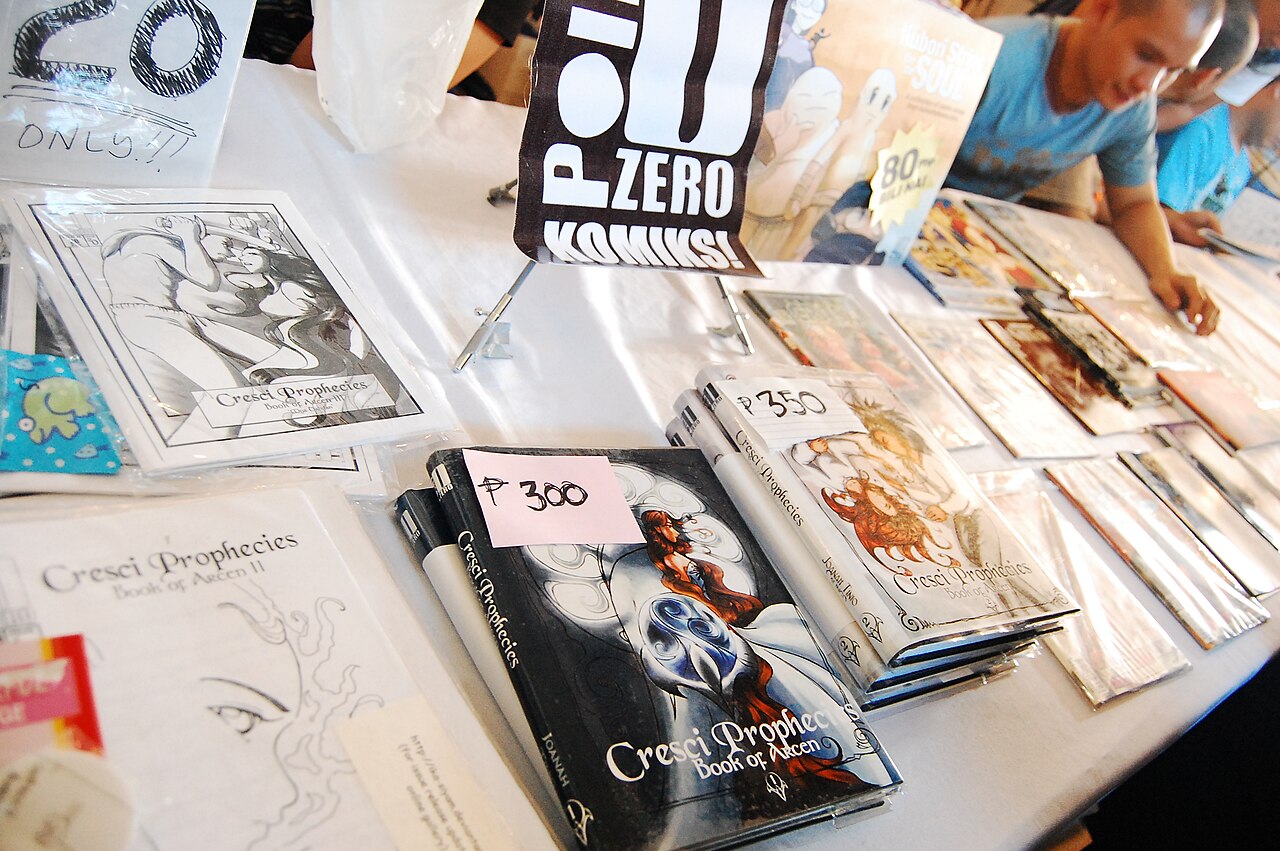
Understanding the DIY Roots of Independent Print Culture
Independent publishing has long served as a crucial outlet for creative expression outside formal corporate channels. Zines, short for fanzines or magazines, represent self-published and self-distributed works created on paper using photocopiers or home printers. Creators often produce these items to share specialized knowledge or personal experiences with communities that feel underrepresented in mainstream media. Examining physical copies of these publications reveals a deep tradition of non-commercial storytelling that stretches back generations. For convention visitors interested in comics and pop culture, exploring historical zines provides valuable context on how independent creators bypass traditional gatekeepers to reach their audiences directly.
Navigating Institutional Archives and Special Collections
Major research institutions now maintain dedicated holdings to preserve ephemeral print culture for future generations. For example, the Library of Congress maintains a growing collection of zines and hosts annual workshops that introduce participants to independent publishing methods. Similarly, university archives house extensive fanzine collections that trace the evolution of subcultures from the mid-twentieth century onward. These repositories treat informal publications as legitimate cultural artifacts rather than temporary novelties. When visitors explore these institutional holdings, they gain access to rare documents that chronicle niche fandoms, political movements, and artistic experiments that would otherwise be lost to time.
Tracing the Historical Evolution of Fanzines
The history of independent publishing is closely tied to organized fandoms and social movements across different eras. In the 1930s, emerging science fiction communities began producing fanzines as dedicated forums to discuss published works and connect with geographically dispersed peers long before the internet existed. Later, the punk music movement of the 1970s adopted the format to reject corporate media and critique mainstream culture through an anti-establishment lens. During the 1990s, feminist riot grrrl groups utilized zines to address complex personal and political topics, including identity and systemic discrimination. Each wave of adoption reshaped the medium while maintaining its core emphasis on unmediated individual voice.
The Fluidity of Form in Subject Matter and Design
One of the most striking characteristics of zines is their deliberate lack of rigid formatting or standardized rules. Creators experiment freely with personal essays, illustrated comics, poetry, and political manifestos within a single publication. Because these works exist outside commercial editorial oversight, authors can explore virtually any topic imaginable, from niche hobbies and local music scenes to profound personal narratives. This structural fluidity encourages visitors to look past polished corporate packaging and appreciate the raw creativity inherent in handmade media. Understanding this artistic freedom helps modern audiences evaluate independent art with a more open and analytical perspective.
Practical Mechanics of Making and Folding Zines
Creating a physical zine requires minimal equipment, typically involving only a standard sheet of paper, a writing or drawing instrument, and a pair of scissors. Instructional guides developed by artists in residence demonstrate that a complete multi-page booklet can be assembled from a single sheet of paper through precise folding and a strategic central cut. This straightforward construction method eliminates the need for expensive binding equipment or commercial printing contracts. For attendees participating in convention workshops, learning these tactile fabrication steps transforms passive consumers into active producers capable of sharing their own stories with minimal financial barriers.
Connecting Library Collections to Local Community History
Recent public humanities initiatives demonstrate how historic archives can connect directly with contemporary hometown experiences. Creative residency projects utilize digitized national collections to help audiences explore regional history through self-guided tours and localized digital scrapbooks. By linking historical documents with everyday community landmarks, these programs encourage younger demographics to engage with archival research in relevant ways. Visitors attending cultural events can apply these investigative techniques to uncover hidden histories within their own neighborhoods, bridging the gap between national library holdings and local community storytelling.
Applying Archival Insights to Convention Exploration
Engaging with independent print history alters how visitors navigate modern pop culture conventions and artist alleys. Recognizing the lineage of DIY publishing allows attendees to better appreciate the independent creators selling hand-bound comics and zines on the convention floor. Instead of viewing these items as simple merchandise, visitors can recognize them as part of a rich historical continuum of free expression. Armed with an understanding of zine archiving and folding techniques, convention-goers can seek out unique artistic voices, ask more informed questions about production methods, and support grassroots creators more effectively during their next exhibition visit.
How this article was prepared
This article used automated drafting and checks against the linked sources. Its photograph is identified and credited separately. Please use our correction link to report an error.
Continue exploring
Explore related events
Current facts come from the directory. Follow the exact listing for admission, venue information and the official source.
Anime Weekend Atlanta 2026 · Nov 19 – Nov 22, 2026 · scheduled · Public admission announced; check current organizer information
Monster-Mania Con 69 Oaks 2026 · Nov 20 – Nov 22, 2026 · scheduled · Public admission announced; check current organizer information
Bakuretsu Con 2026 · Nov 20 – Nov 22, 2026 · scheduled · Public attendee admission announced — check current registration
Colossalcon North 2026 · Nov 20 – Nov 22, 2026 · scheduled · Public admission announced; check current organizer information
Sources and further reading
- Introduction - Zines at the Library of Congress - Research Guides at Library of Congress ↗
- Anywhere Adventures | Experiments | Work | Library of Congress Labs | Library of Congress ↗
- Collection: Zines and Fanzines Collection | ArchivesSpace at the University of Iowa ↗
Source review: 2026-10-29. Examples identified as hypothetical are original illustrations.
An independently researched feature. Worked examples are illustrative; photographs identify their archive or collection context.
Find your next event →










