
Understanding Independent Print Culture
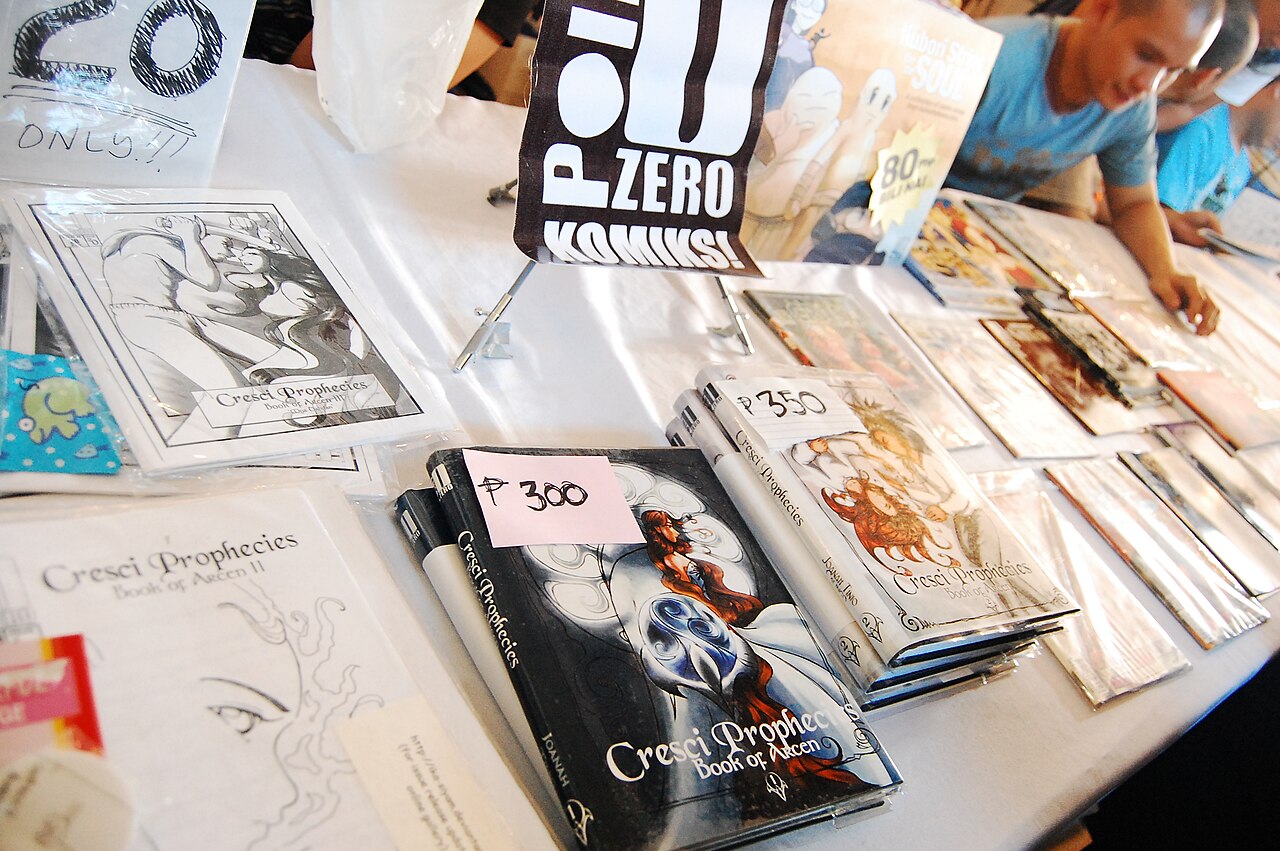
A zine operates as a DIY and subculture self-publication, typically produced on paper using a photocopier or printer. Creators often pursue these formats to share specific knowledge or experiences with marginalized or less-empowered communities. These materials are self-published, self-created, self-distributed, and fundamentally non-commercial, meaning they resist formal definitions. To truly understand the format, researchers and enthusiasts must explore how these independent texts capture authentic voices outside traditional publishing channels. Institutions now actively preserve these ephemeral publications to document grassroots perspectives and subcultural histories for future generations of scholars and curious readers.
Locating Materials in Library Catalogs
Finding these independent publications requires specific search strategies within major institutional catalogs. Researchers can execute targeted subject searches to retrieve items designated as part of a formal zine collection, compilation zines, or self-published works originating in the United States. In addition to broad subject queries, users can search by exact title, individual creator, call number, or custom keywords. Utilizing these specific indexing paths allows visitors to navigate complex library databases efficiently, bridging the gap between underground publishing networks and formal academic library catalogs without getting lost in unrelated general stacks.
General Collections and Online Requests
Many independent publications are housed within general library collections and can be requested through online catalog interfaces. The general collections include diverse books, pamphlets, and bound non-current periodicals across multiple languages and classification schemes. When an online catalog entry indicates that an item is available for delivery to a specific building and lists its status as not charged, visitors holding a valid reader identification card can submit an online request. This streamlined digital workflow permits researchers to order specific self-published texts for delivery to designated reading rooms, making independent print culture far more accessible than it was in previous decades.
Specialized Reading Room Procedures
Certain subject areas or fragile formats require specialized handling and must be requested for delivery to dedicated reading rooms. For example, items whose primary subject matter falls within music or the performing arts are routed exclusively to the performing arts reading room. Other unique materials may be classified as vault underground comic book collections or rare books requiring prior special permission. Visitors must carefully check catalog location indicators and follow specific in-person request protocols. Understanding these operational boundaries ensures that delicate historical artifacts and specialized community publications remain protected while staying available for legitimate scholarly examination.
Microfilm and Digital Preservation Resources
To protect fragile physical copies while expanding public access, institutions frequently convert delicate independent publications into microfilm or electronic resources. When a catalog record directs a researcher to a microform and electronic resources center, it indicates that the desired publication has been preserved digitally or on physical film reels. This preservation step is vital for historical newsletters, activist journals, and underground periodicals that degrade quickly on standard paper stock. Utilizing digital terminals and microfilm readers allows visitors to examine historical grassroots literature safely without risking physical damage to rare, one-of-a-kind archival documents.
Practical Preparation for Archive Visits
Preparing for a research trip to an institutional zine archive involves more than simply showing up with curiosity. Researchers must secure required identification cards, verify reading room operating procedures, and note exact call numbers before attempting to view physical items. Because different collections are distributed across various buildings and specialized reading rooms, advance planning prevents wasted time and ensures compliance with institutional security and preservation guidelines. By treating the archive visit as a structured investigation, visitors can maximize their research windows and effectively piece together the historical context surrounding these vibrant DIY texts.
The Broader Impact of Archival Collecting
Institutional acquisition of self-published materials validates the cultural importance of underground media and non-traditional viewpoints. When national libraries dedicate resources to cataloging, housing, and digitizing DIY publications, they signal that everyday community histories matter just as much as formal literary canons. This ongoing preservation effort provides future historians, sociologists, and pop culture enthusiasts with primary source documentation that might otherwise be lost to time. Engaging with these collections transforms casual curiosity into meaningful historical discovery, illuminating the rich tapestry of independent expression that thrives far beyond mainstream commercial publishing.
How this article was prepared
This article used automated drafting and checks against the linked sources. Its photograph is identified and credited separately. Please use our correction link to report an error.
Continue exploring
Explore related events
Current facts come from the directory. Follow the exact listing for admission, venue information and the official source.
Colossalcon North 2026 · Nov 20 – Nov 22, 2026 · scheduled · Public admission announced; check current organizer information
Fandom Fusion! - TCG & Anime Event 2026 · Nov 21 – Nov 22, 2026 · scheduled · Public admission announced — check current organizer information
Anime Weekend Atlanta 2026 · Nov 19 – Nov 22, 2026 · scheduled · Public admission announced; check current organizer information
Monster-Mania Con 69 Oaks 2026 · Nov 20 – Nov 22, 2026 · scheduled · Public admission announced; check current organizer information
Sources and further reading
- Zine Collections at the Library - Zines at the Library of Congress - Research Guides at Library of Congress ↗
- Introduction - Zines at the Library of Congress - Research Guides at Library of Congress ↗
Source review: 2026-10-25. Examples identified as hypothetical are original illustrations.
An independently researched feature. Worked examples are illustrative; photographs identify their archive or collection context.
Find your next event →










