
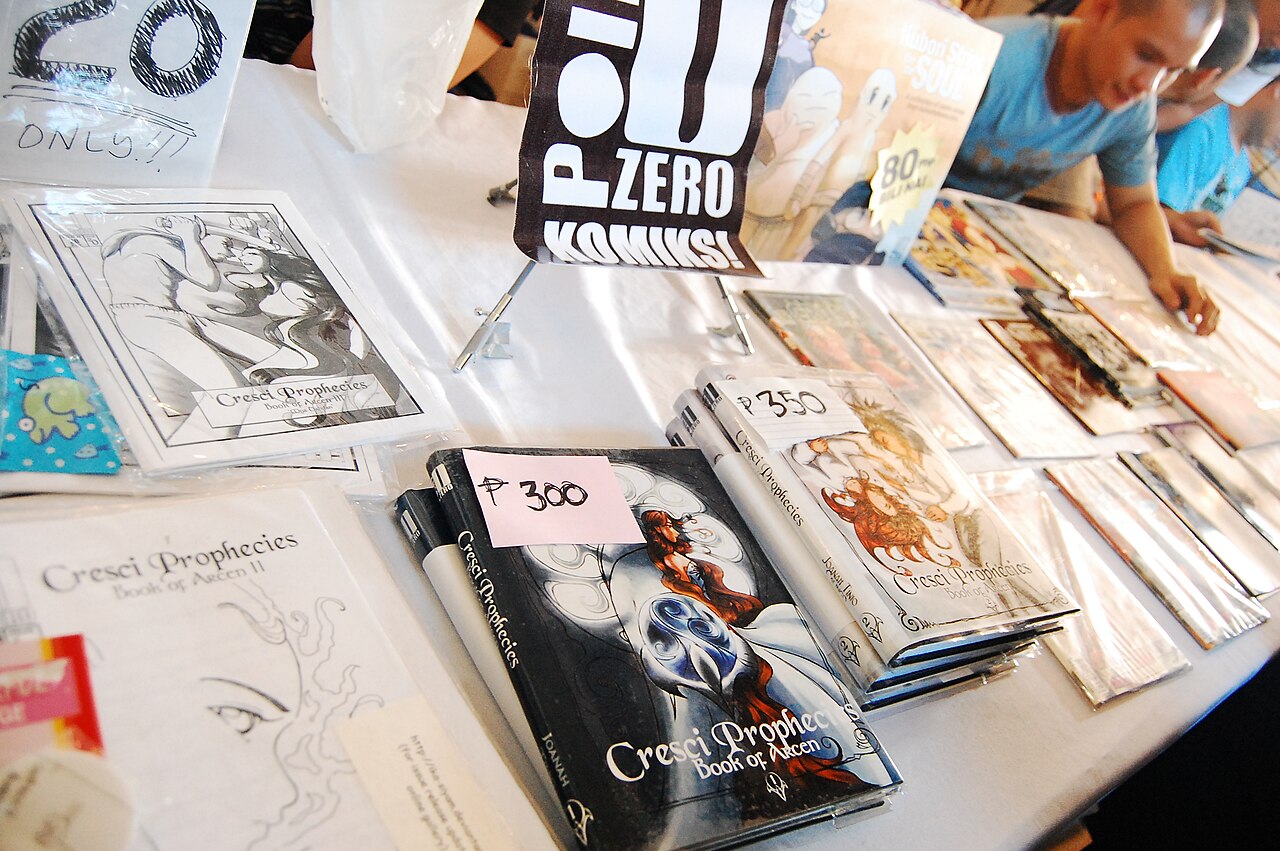
Understanding the DIY Roots of Independent Zine Culture
Independent print zines have a long history as self-published and self-distributed materials created to share personal experiences and cultural ideas. Derived from the word fanzine, these publications operate independently of traditional commercial publishing structures. Creators often rely on simple photocopiers or local printers to reproduce their work for specialized audiences. This format provides an accessible outlet for marginalized communities and individuals who wish to express creative, political, or social viewpoints without corporate interference. Examining these physical artifacts allows visitors and researchers to engage directly with grassroots communication methods that predate modern digital networking.
Navigating Institutional Archives and Library Collections
Major research institutions now maintain dedicated holdings to preserve independent print culture for future generations. For example, the Library of Congress features growing collections and hosts annual workshops dedicated to zine publishing history and independent media. Similarly, university archives house extensive regional and thematic collections that group together rare amateur periodicals. Researchers visiting these repositories can request specific items through institutional finding aids and special collection services. Understanding how to navigate these library catalogs ensures that visitors can locate specific subcultural materials efficiently during archive visits.
Exploring Historical Fandoms and Alternative Press Movements
Archival collections reveal how zines evolved across different decades and social movements. In the 1930s, science fiction fans utilized early fanzines to connect across geographical distances before the emergence of the internet. Later, the punk music movement adopted the format in the 1970s to bypass mainstream media and support independent artists. During the 1990s, underground feminist groups used similar DIY publications to address complex social issues, identity politics, and systemic discrimination. Tracing these historical shifts helps visitors recognize how print formats adapt dynamically to the changing needs of distinct subcultural groups.
Unpacking the Personal and Political Dimensions of Perzines
Many independent publications are classified as perzines, which focus primarily on the personal thoughts, feelings, and lived experiences of their authors. Unlike objective journalism, these personal zines blend intimate storytelling with poetry, raw illustration, and unfiltered commentary. Other publications function as political broadsides or anthologies designed to provoke social change and community expression. This fluid boundary between personal diary and political pamphlet highlights the core ethos of zine publishing. When studying these documents, visitors should look past surface aesthetics to understand the underlying motivations driving individual creators.
Practical Methods for Assembling Your Own Print Zine
Creating a physical zine often involves straightforward folding and cutting techniques that require no specialized binding equipment. A common instructional method utilizes a single standard sheet of printer paper folded lengthwise and widthwise to establish center creases. By making a precise cut along the horizontal fold towards the center vertical crease, creators form an opening that collapses into a multi-page booklet structure. This minimalist construction method demonstrates how physical format and content can merge seamlessly. Practicing this layout technique allows workshop participants to turn digital or handwritten drafts into tangible reading objects.
Applying Archival Research Skills to Independent Media
Engaging with zine archives effectively requires visitors to understand proper handling guidelines and collection boundaries. Because many historic zines are fragile and printed on inexpensive paper, researchers must wear gloves or follow repository-specific preservation rules when turning pages. Furthermore, copyright considerations often restrict the commercial reproduction of works that remain protected under standard intellectual property laws. Approaching these collections with structured research questions helps visitors uncover valuable primary source material without compromising the physical integrity of delicate historical artifacts.
Connecting Print Heritage With Modern Pop Culture Studies
Independent print culture continues to inform contemporary discussions around media ownership, fan studies, and creative autonomy. Contemporary creators still utilize traditional print zines to explore niche topics that escape mainstream publishing channels. Studying these ongoing print traditions enriches our understanding of how communities build solidarity through shared physical media. Visitors who explore both historical archives and modern maker spaces gain a comprehensive perspective on the enduring value of self-published print materials in an increasingly digital world.
How this article was prepared
This article used automated drafting and checks against the linked sources. Its photograph is identified and credited separately. Please use our correction link to report an error.
Continue exploring
Explore related events
Current facts come from the directory. Follow the exact listing for admission, venue information and the official source.
Fandom Fusion! - TCG & Anime Event 2026 · Nov 21 – Nov 22, 2026 · scheduled · Public admission announced — check current organizer information
Anime Weekend Atlanta 2026 · Nov 19 – Nov 22, 2026 · scheduled · Public admission announced; check current organizer information
Monster-Mania Con 69 Oaks 2026 · Nov 20 – Nov 22, 2026 · scheduled · Public admission announced; check current organizer information
Bakuretsu Con 2026 · Nov 20 – Nov 22, 2026 · scheduled · Public attendee admission announced — check current registration
Sources and further reading
- Introduction - Zines at the Library of Congress - Research Guides at Library of Congress ↗
- Anywhere Adventures | Experiments | Work | Library of Congress Labs | Library of Congress ↗
- Collection: Zines and Fanzines Collection | ArchivesSpace at the University of Iowa ↗
Source review: 2026-11-09. Examples identified as hypothetical are original illustrations.
An independently researched feature. Worked examples are illustrative; photographs identify their archive or collection context.
Find your next event →










