
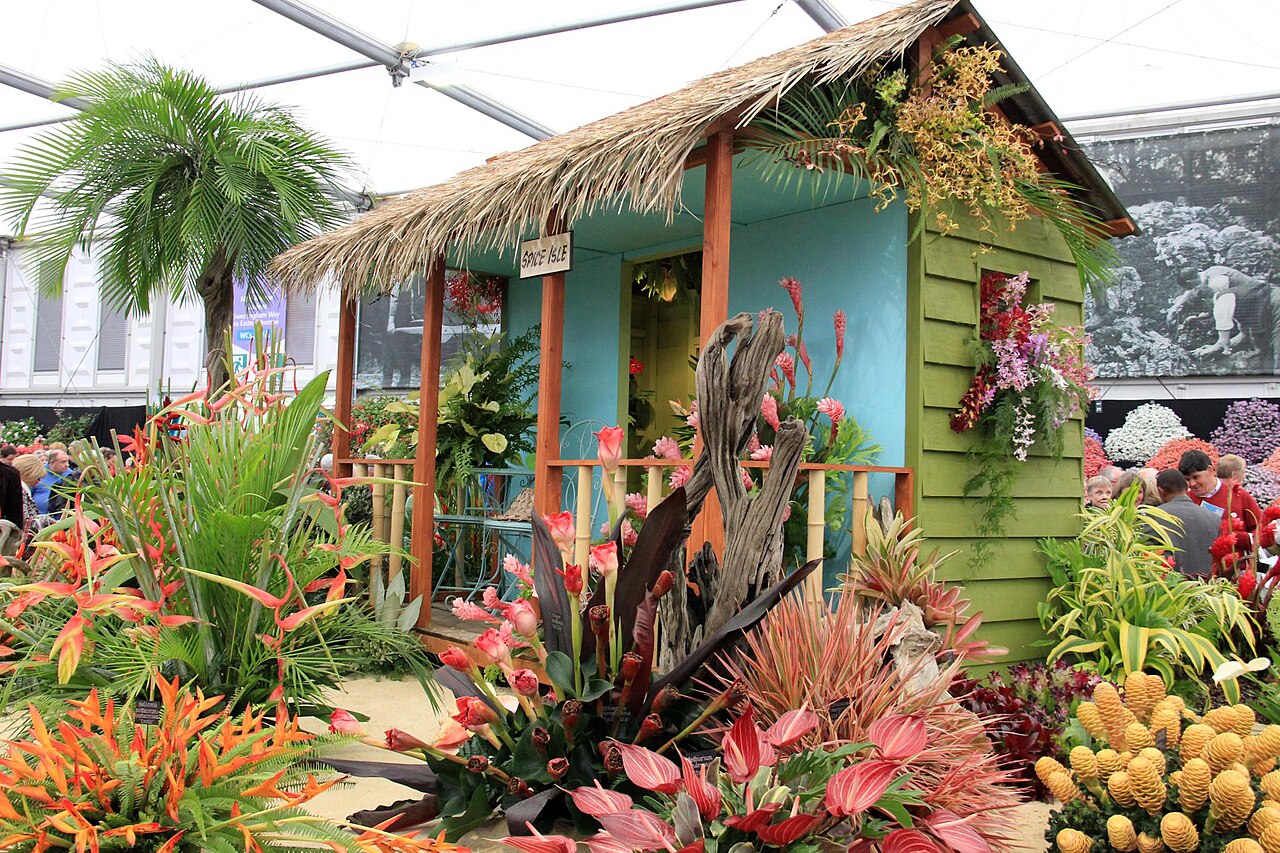
The bag’s purpose matters more than the word soil
At a garden show, bags labeled potting soil, garden soil, compost or mulch can sit close together while serving different roles. The familiar word soil does not make their contents interchangeable. University of Maryland Extension describes container growing media through the functions they provide, while University of Minnesota Extension discusses container labels and surface mulches. Reading purpose and composition together is more informative than selecting a category from the largest word on the package. This feature explains those distinctions through a fictional three-label display, keeping the focus on what the product descriptions mean rather than prescribing a mixture for a particular plant or site.
Growing medium names the material around the roots
A growing medium supports plants and participates in the supply of air, water and nutrients around their roots. Maryland Extension organizes its explanation around those functions and the spaces between particles. That vocabulary helps a visitor understand why a bag’s composition matters. A medium is more than a material that fills empty space in a pot. The exhibit’s description can identify which ingredients it contains and the use the manufacturer names. Preserve both pieces of information. A product marketed for containers and another described for a garden bed may contain different combinations even when both use soil-related language on their packaging.
Potting mix can contain several kinds of ingredients
Maryland Extension lists examples including peat, coir, composted bark, perlite and vermiculite in its discussion of soilless mixes. The list illustrates a category of possible constituents; the specific bag’s label identifies its actual composition. In a display, visible particles can suggest variation, but an ingredient record is more precise than judging the contents by color. Also distinguish an ingredient from the mixture’s stated function. A familiar constituent appearing in two products does not make the entire combinations identical. The relative composition and the documented intended use belong to the product description, even when a sample tray makes only a few ingredients obvious.
Garden-soil wording needs its own context
A bag can be labeled topsoil, planting soil or garden soil while presenting a composition different from a container-growing mix. Maryland Extension describes the variety behind such marketing terms, and Minnesota’s container guidance distinguishes products intended for that setting. The useful exhibit question is what purpose the label actually names. A visitor should be able to identify whether the product is presented for a bed, a container or another role without inferring that role from weight or darkness alone. The category tells part of the story; the composition and instructions supplied by its maker establish the more specific product record.
Mulch occupies a surface role
Mulch is commonly used as a covering over the soil surface, with materials and functions discussed in Minnesota Extension’s mulching guidance. That position distinguishes it from the medium surrounding roots in a container. At an exhibit, a layered display can make the difference clear: a plant sits in a represented growing medium while another material covers the illustrated surface. The same substance can appear in more than one gardening context, so its role in this particular presentation matters. Calling every brown material soil would erase the distinction the display is trying to teach. Read the layer label and its stated function together.
Compare three fictional package descriptions
Imagine Label A describing a container-growing mix and listing several constituents. Label B describes a soil product for garden-bed use. Label C identifies a wood-based surface mulch. These descriptions are invented solely for the exercise. The first comparison is purpose, not an overall quality ranking. Next compare the ingredient information: which constituents are actually named, and which claims remain general? Finally, identify where each material sits in the illustrated display. That three-part reading separates intended use, composition and position. It can explain why neighboring bags represent different categories without requiring a visitor to decide which one belongs in an individual project.
An additive is another part of the record
A product label may identify added fertilizer or another constituent alongside the main growing-medium ingredients. Preserve that statement rather than assuming every potting mix has the same additions. A printed claim about an additive also differs from a full recommendation for a particular plant. In the three-label exercise, a line describing an added ingredient would expand Label A’s composition record while leaving its intended container use unchanged. The exhibit could then explain why the manufacturer includes that constituent. Keeping the category, ingredient and attributed explanation separate makes the note more readable than treating every additional claim as part of one undefined promise that the bag is enriched.
Turn the display into a role map
A useful garden-show record can give each sample three fields: intended use, named constituents and the role shown in the exhibit. That map makes the difference among medium, soil product and surface covering easy to explain afterward. It also identifies a precise follow-up when a label is vague: what application does the maker specify, and where is the composition documented? Extension resources provide the broader vocabulary, while the displayed package supplies the product-specific information. Reading both levels carefully adds substance to a garden exhibit conversation and keeps similar-looking bags from being treated as identical materials with different branding.
Continue exploring
Explore related events
Current facts come from the directory. Follow the exact listing for admission, venue information and the official source.
Albuquerque Home Expo — October 2026 · Oct 23 – Oct 25, 2026 · scheduled · Check organizer for free-ticket registration and current show information.
Sources and further reading
- University of Maryland Extension: Container growing media ↗
- University of Minnesota Extension: Container product labels ↗
- University of Minnesota Extension: Mulch roles ↗
Source review: 2026-10-12. Examples identified as hypothetical are original illustrations.
An independently researched feature. Worked examples are illustrative; photographs identify their archive or collection context.
Find your next event →