
Name the problem you want solved
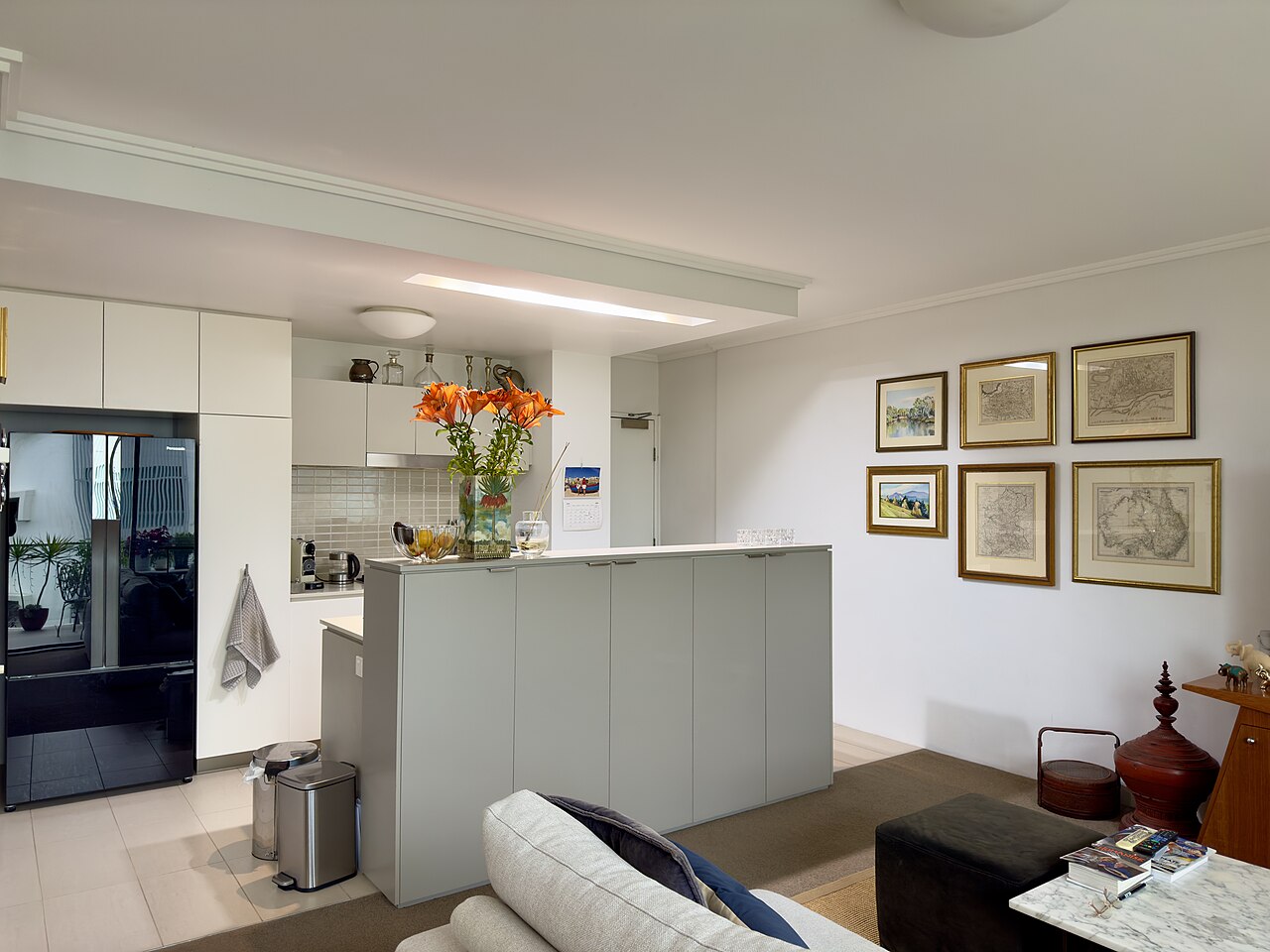
Start with the outcome rather than a product: a bathroom that is easier to use, a kitchen with better storage or a room that feels less drafty. Add photographs and basic measurements, clearly marked as approximate unless professionally measured. Separate essential work from optional ideas. This makes a show-floor conversation more productive because each exhibitor can respond to the same needs. You are collecting possible approaches, not asking someone to commit to a precise site-dependent proposal from a few pictures.
Use one brief for every conversation
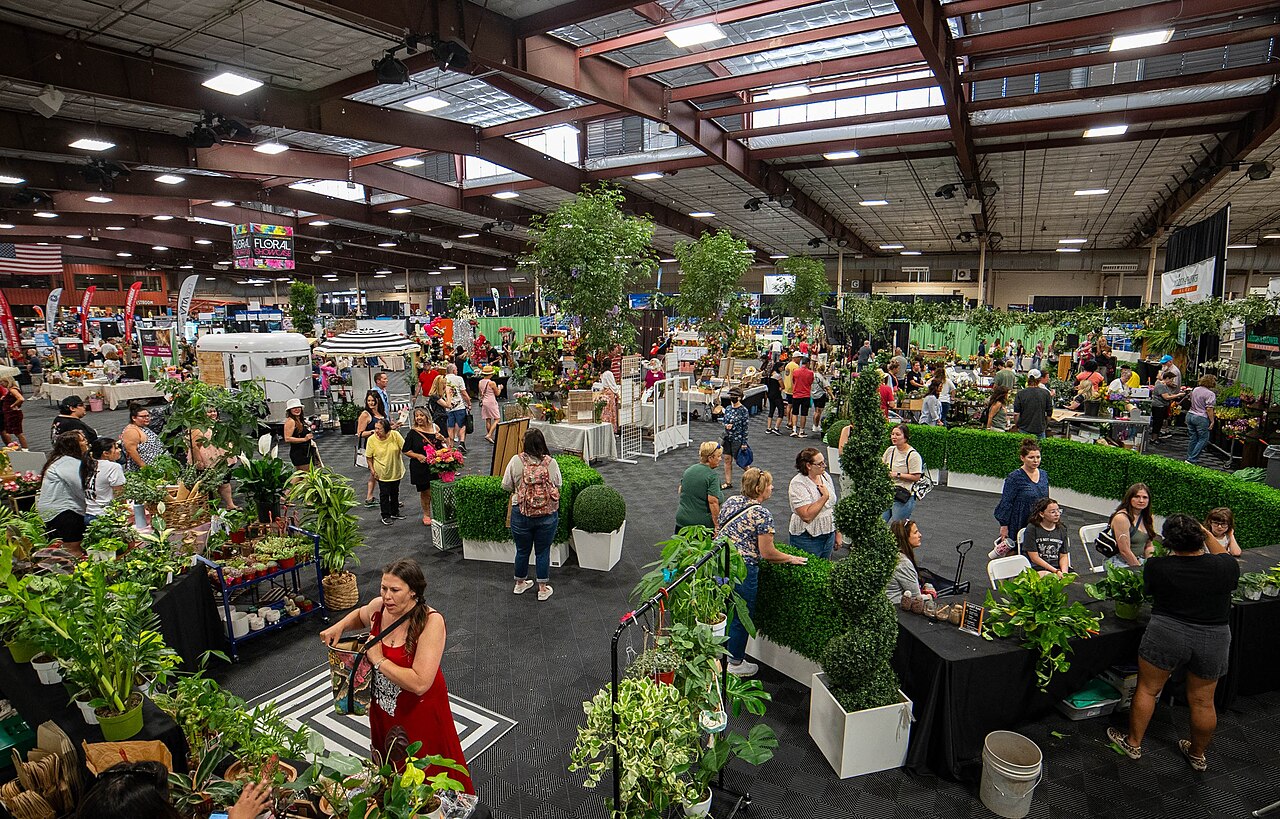
Prepare a short description with the rooms involved, intended use, broad timetable and constraints. If you rent or share ownership, note what approvals you still need. Tell exhibitors whether you are exploring ideas or ready to arrange a detailed estimate. Albuquerque Home Expo's official material presents its floor as a place to meet vendors and compare options; turn that opportunity into consistent questions. Repeating the same brief helps prevent one proposal from quietly including more work than another while appearing to offer a similar price.
Ask what the number represents
A display price, verbal range and written project estimate are different things. Ask whether the figure includes installation, materials, delivery, disposal and any required preparation. Record exclusions and assumptions rather than assuming they will be minor. The Federal Trade Commission recommends multiple written estimates covering the work, materials, completion and price. Use that guidance for the next stage after the show. A quote based on a professional site visit may change the comparison substantially from the first conversation beside an exhibition sample.
Check the provider before the project
Record the business's exact name and contact information. Ask who would perform the work and how the company handles references, licensing where applicable and insurance verification. The FTC advises checking a contractor's qualifications and reading contracts carefully. A polished booth is useful for meeting people; it is not independent proof of those details. Avoid collecting more promotional items than you can organize. One business card attached to a clear note about the conversation is easier to follow up than an unmarked bag of brochures.
Make comparison notes while the floor is fresh
After each stop, write the proposed approach, what you liked and what needs verification. Use a separate column for unanswered questions. If two exhibitors suggest different solutions, ask why rather than reducing the comparison to the first price mentioned. A smaller scope can look cheaper without solving the same problem. Keep all promised extras and deadlines in your notes for written confirmation later. Do not let a time-limited show offer replace the step of reading a complete proposal at your own pace.
Choose the next conversation deliberately
At home, shortlist the providers whose approach fits the brief and whose information you can verify. Arrange the necessary detailed assessment through normal channels, then compare written proposals on the same scope. Keep the show notes so you can identify changed assumptions. Our event listing and venue page help plan a public home-show visit, but they do not endorse individual exhibitors. This feature provides a comparison workflow; contract and licensing requirements must be checked against the relevant official rules where the work would occur.
Continue exploring
Put the guide into practice
Current facts come from the directory. Follow the exact listing for admission, venue information and the official source.
Albuquerque Home Expo — October 2026 · Oct 23 – Oct 25, 2026 · scheduled · Check organizer for free-ticket registration and current show information.
Sources and visitor resources
- Federal Trade Commission: choosing a home improvement contractor ↗
- Albuquerque Home Expo: attendee information ↗
- U.S. Department of Energy: energy assessments ↗
Source review: 2026-10-12. General planning guidance; confirm current details with the organizer.
General planning guidance, not firsthand event reporting. Always check the organizer’s current details.
Find your next event →