
Understanding the Marketplace Format
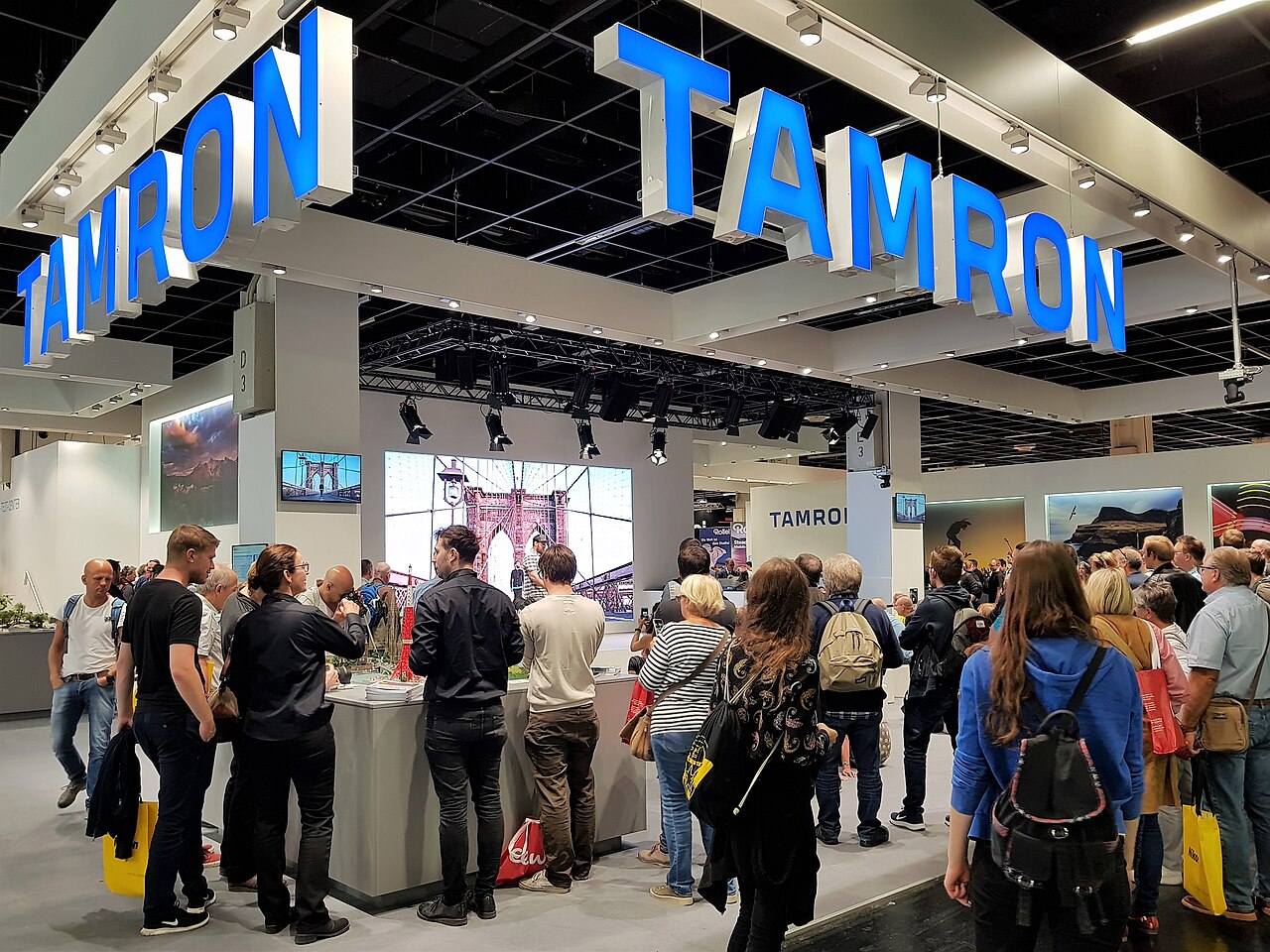
Attending live marketplace events requires shifting away from the remote browsing habits common in online retail environments. When you walk into a regional camera show hosted by organizations like Photorama USA, you enter an active trade floor where vendors set up physical tables filled with used digital bodies, classic film equipment, lenses, and accessories. Instead of scrolling through static product descriptions or waiting on delayed customer support messages, visitors gain immediate, physical access to inventory. This direct setup allows photographers at all skill levels to pick up items, evaluate mechanical states, and compare multiple versions of a lens or camera body side by side under one roof. Approaching these physical spaces effectively means recognizing that the primary advantage lies in removing transaction friction, allowing buyers to talk through pricing, verify physical condition, and complete trades without guessing about hidden flaws or shipping delays.
Evaluating Equipment Condition in Person
Physical inspection represents the core advantage of attending regional camera sales and equipment trade floors. Without the barrier of remote listings, buyers can thoroughly check optical glass for scratches, test mechanical focusing rings, and inspect battery compartments or sensor housings on both modern digital gear and legacy film systems. Vendors participating in these regional markets are typically knowledgeable collectors or specialized dealers who can speak directly to the history, maintenance, and functional pedigree of their inventory. When examining used equipment, visitors should ask targeted technical questions regarding shutter counts, past repairs, and compatibility with existing kits. This real-time dialogue helps establish trust and ensures that purchasing decisions are grounded in transparent physical evaluations rather than polished online photographs. Furthermore, the freedom to negotiate pricing directly with sellers introduces a dynamic component that conventional online checkouts simply cannot replicate for working photographers.
Structuring Multi-Day Educational Conferences
Beyond regional equipment sales, large-scale photography gatherings such as ShutterFest offer immersive multi-day schedules focused on professional education and technical advancement. Navigating these major events requires careful planning around structured timelines, such as multi-day class access spanning specific dates at host venues like the Union Station Hotel in St. Louis. Attendees must review ticketing bundles carefully to determine whether general admission covers foundational trade show floors and model programs, or if specialized add-ons are necessary to unlock advanced courses scheduled on closing days. Because educational tracks feature prominent industry educators leading specialized workshops, participants benefit from mapping out their daily seminar priorities well in advance. Balancing classroom instruction time with open trade floor hours ensures that visitors can absorb practical lighting and business techniques without missing opportunities to test new hardware introduced by manufacturers and regional vendors.
Managing Travel Logistics and Lodging Blocks
Attending destination photography conventions involves navigating complex lodging policies and transportation logistics tied to official host hotels. Major trade shows often negotiate specific room blocks and booking requirements, such as mandating minimum multi-night stays through designated reservation links to secure special event rates and attendee perks like welcome goodie bags. When primary host properties experience high demand and sell out, organizers frequently establish secondary blocks at nearby partner locations, such as the Hilton Ballpark, complemented by complimentary shuttle services running regularly between the hotels and the main exhibition venue. Participants must coordinate their arrival windows and check-in dates precisely around these operational schedules to avoid missing early morning keynote sessions or opening-day registration milestones. Factoring in these logistical details prevents unnecessary transit stress and keeps the focus squarely on professional growth and gear discovery.
Balancing Gear Acquisition and Skill Development
A successful exhibition visit requires striking a functional balance between shopping for physical hardware and investing in educational programming. While regional tabletop sales excel at providing hands-on access to used cameras and legacy optics, national conventions emphasize advanced lighting techniques, portfolio building, and studio workflows taught by seasoned professionals. Photographers attending these events should evaluate their immediate workflow bottlenecks before arriving, deciding whether their primary objective is upgrading an aging camera body, sourcing specialty film accessories, or refining off-camera flash techniques through structured classroom sessions. By aligning their daily itineraries with these distinct goals, attendees avoid the common pitfall of sensory overload on busy trade floors and ensure that every hour spent at the venue yields tangible improvements to their creative business or personal craft.
Building Regional Connections Within the Community
Live trade events serve as vital community hubs where local hobbyists, working professionals, and specialty vendors connect face-to-face in regional centers spanning cities like Chicago, Detroit, Philadelphia, Cleveland, and New Jersey. Regular attendance fosters familiar relationships with trusted regional dealers who return consistently because the physical marketplace model respects both the buyer's expertise and the seller's inventory quality. Engaging in these recurring gatherings allows photographers to establish reliable sources for rare accessories, consignment sales, and collaborative community projects. These interpersonal networks extend far beyond a single transaction, providing an ongoing support system for equipment maintenance, trade advice, and peer collaboration that digital forums and remote marketplaces struggle to replicate over time.
Preparing an Action Plan Before Exhibition Day
Maximizing the value of any photography show or equipment sale begins with drafting a structured action plan prior to arrival. Visitors should inventory their current gear kits at home to identify specific gaps, compatibility needs, or redundant items suitable for trade-in negotiations. Establishing a firm budget and prioritizing target items prevents impulse purchases on the bustling trade floor while maintaining flexibility for unexpected discoveries. For educational conferences, reviewing speaker line-ups and mapping out classroom locations ahead of time eliminates mid-day confusion. By combining meticulous pre-event preparation with the spontaneous advantages of live, hands-on marketplaces and multi-day workshops, photographers can transform a standard convention trip into an exceptionally productive professional milestone.
How this article was prepared
This article used automated drafting and checks against the linked sources. Its photograph is identified and credited separately. Please use our correction link to report an error.
Continue exploring
Explore related events
Current facts come from the directory. Follow the exact listing for admission, venue information and the official source.
Maker Faire Rochester 2026 · Nov 21, 2026 · scheduled · Check ticket availability
I/ITSEC Orlando 2026 · Nov 30 – Dec 3, 2026 · scheduled · Check the organizer for current registration and availability
Live Design International 2026 · Dec 2 – Dec 8, 2026 · scheduled · Edition verified; admission eligibility unconfirmed
CES 2027 — LVCC Exhibit Campus · Jan 6 – Jan 9, 2027 · scheduled · Verified trade edition — professional eligibility applies
Sources and further reading
Source review: 2026-11-01. Examples identified as hypothetical are original illustrations.
An independently researched feature. Worked examples are illustrative; photographs identify their archive or collection context.
Find your next event →










