
Two size labels may answer different questions
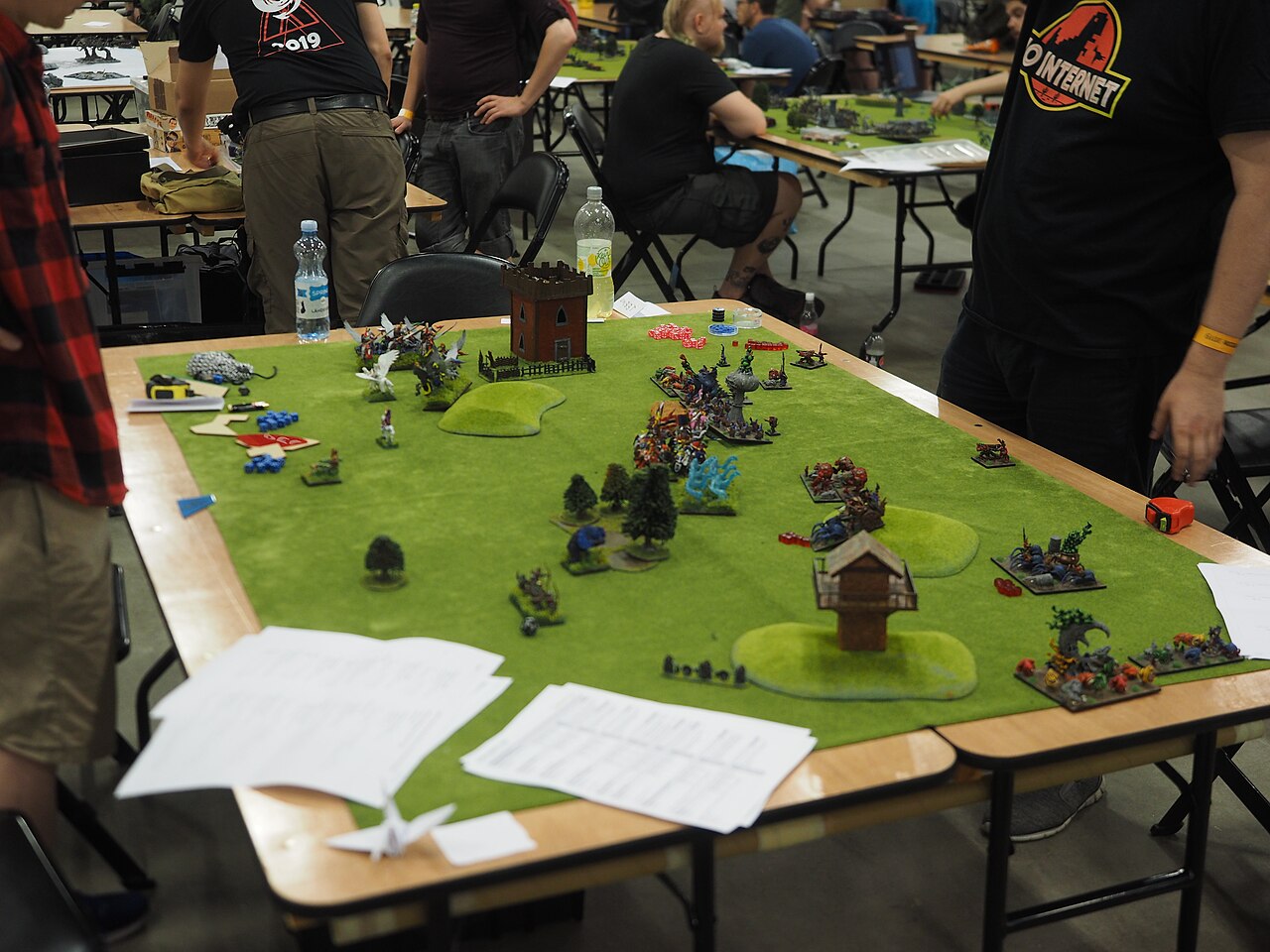
A miniatures or model exhibit can place a ratio such as one to forty-eight beside a figure described by its height in millimeters. Both labels concern size, but they do not necessarily describe the same relationship. A ratio compares a model dimension with the corresponding dimension of its subject. A stated figure height describes a measurement or product convention whose reference must be understood. Hornby’s primary scale guide explains the ratio relationship, and Airfix’s box guide uses ratio labels for its kits. An original proportional figure calculation makes the relationship between a ratio and a stated dimension checkable.
Read the ratio as a relationship
At a scale of one to forty-eight, one unit on the model corresponds to forty-eight of the same units on the represented subject. The units must match within the calculation. A one-centimeter model dimension would represent forty-eight centimeters under that ratio. The denominator is not the model’s height, and it does not name the number of parts included. At an exhibit, identify what subject and dimension the stated ratio refers to. A fictional person, stylized creature or exaggerated sculpture may not provide the same kind of reference as a model of a documented object with known dimensions.
Work through a figure
Imagine a strictly proportional model representing a person who is 1.8 meters tall. Divide 1.8 meters by forty-eight to obtain 0.0375 meters, or 37.5 millimeters. That is the calculated height for the stated dimension under an exact ratio. It does not tell you whether a product labeled with a nearby nominal height includes a base, uses a different measuring point or represents a different subject height. The example supplies the assumptions explicitly so the result can be checked. Comparing an unlabeled figure with 37.5 millimeters would not establish its scale without also knowing what it represents and how the measurement is defined.
A nominal figure height needs a reference
A label such as thirty-two millimeters can identify a range or a stated figure dimension, but its meaning should come from the maker’s documentation. Do not assume a measuring point that the label does not supply. The height to the eyes, to the top of the head or including a support would produce different measurements of the same object. If a display describes a nominal size without explaining its reference, preserve that wording rather than converting it confidently into a ratio. A focused question for the presenter is what the stated height measures. That is more useful than treating a familiar number as a universal industry standard.
Pose affects a visible height
An upright figure and a crouching figure can represent the same subject at the same ratio while standing at different heights. An extended hat, raised arm or long base decoration can also change the object’s total vertical extent. In the one-to-forty-eight example, bending the person’s knees would not automatically change the represented ratio, but it would change the measured height of the posed object. Therefore, distinguish the underlying subject dimensions from the figure’s displayed envelope. That envelope matters for understanding the visible object, while the ratio concerns the correspondence between subject and representation.
Stylization can change proportions
A designer can exaggerate a head, hand or other feature while keeping a product within a named size range. That is a design choice rather than evidence that every dimension obeys one exact ratio. At a collectibles exhibit, a figure’s descriptive label may identify it as non-scale or use another explanation. Compare the maker’s language with the object, not with an assumed proportional model. The calculation above applies only to an exactly proportional relationship. It cannot be used to declare a stylized character incorrectly sized merely because its head appears large relative to its body or to a neighboring figure.
A base is another object in the comparison
A base can support the figure and participate in the scene, but its dimensions are distinct from the figure’s represented height. Two identical figures placed on bases of different thicknesses will stand at different total heights. In a display note, distinguish total object height from the subject’s modeled dimension when the evidence permits it. The same care applies to photographs: perspective and camera distance can make neighboring objects seem larger or smaller. A photo without a reliable reference does not establish exact dimensions. The exhibit label or maker’s documentation is the stronger source for a stated measurement.
Describe scale with its assumptions attached
A useful note might read: the label states one-to-forty-eight; an exact 1.8-meter subject would calculate to 37.5 millimeters before considering pose and base. That sentence separates a printed claim, an original calculation and the object’s presentation. It also leaves room for a maker’s explanation of stylization or nominal sizing. Gaming and collectibles conventions can display many kinds of models, so understanding the label prevents unlike size systems from being compared as though they were identical. Bring the full label into the conversation and ask what dimension it describes; a number without its reference tells only part of the story.
Continue exploring
Explore related events
Current facts come from the directory. Follow the exact listing for admission, venue information and the official source.
Gen Con Indy 2027 · Aug 5 – Aug 8, 2027 · scheduled · 2027 dates announced; badge-sale schedule requires current organizer confirmation
Sources and further reading
Source review: 2026-10-12. Examples identified as hypothetical are original illustrations.
An independently researched feature. Worked examples are illustrative; photographs identify their archive or collection context.
Find your next event →