
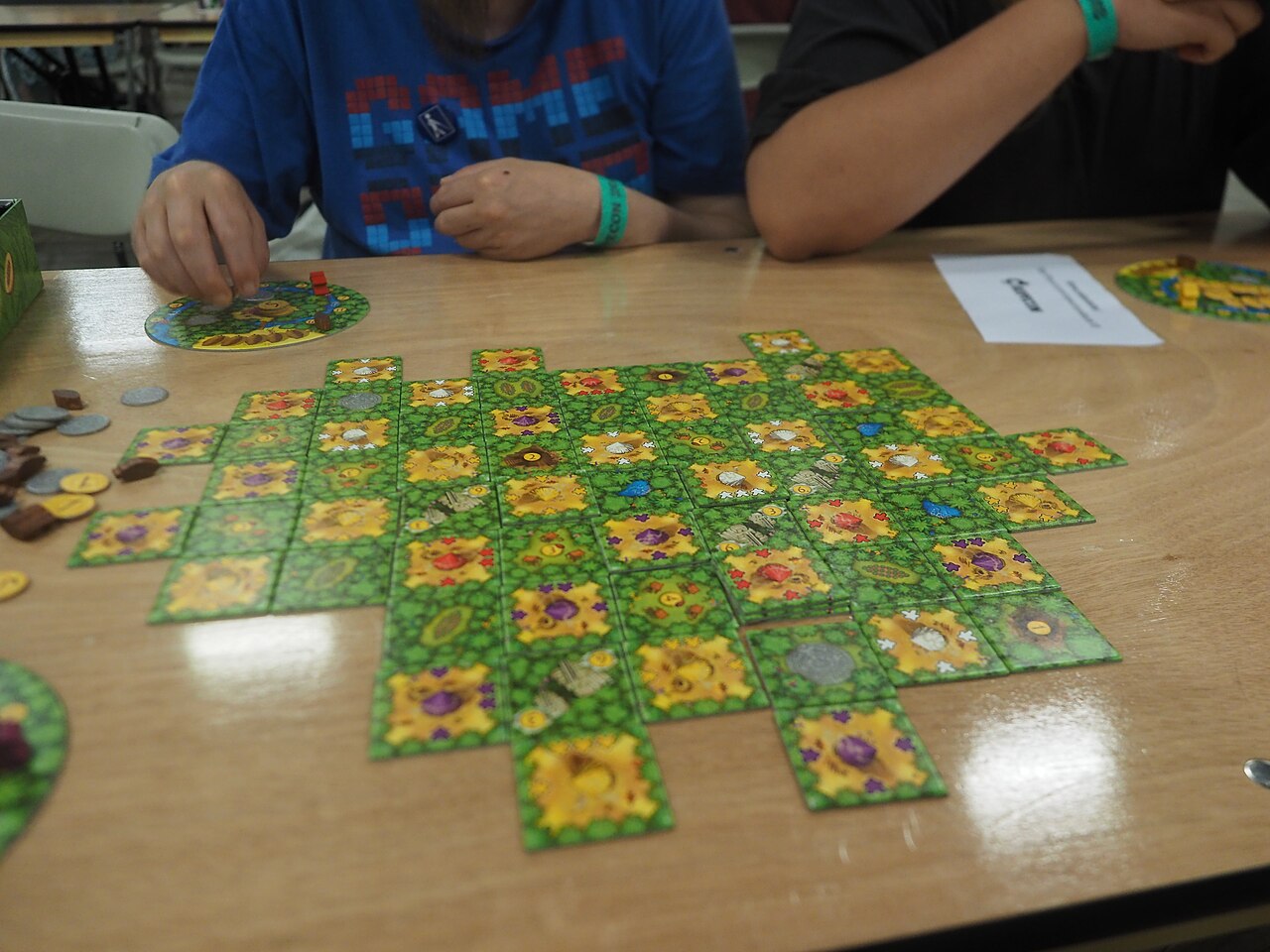
Choose a question, not just a box
A crowded gaming hall can offer more choices than you can sample. Begin with a question: do you want something two people can play after dinner, a family game with little reading, or a longer game for a regular group? Write down who will actually use it and how much table space you have. This turns a demo into a practical comparison. Attractive artwork may draw you to a table, but the experience you need should decide whether you stay.
Find out what the session includes
Ask whether you are joining a short demonstration, a complete game or a scheduled teaching session. Those formats can require very different amounts of time. Gen Con's event information distinguishes convention admission from event tickets and describes how reserved sessions work. Check your show's current registration method before assuming an open chair is available. If you have only twenty minutes, tell the teacher before sitting down. A clear time limit helps them choose an appropriate introduction rather than interrupting a full group mid-game.
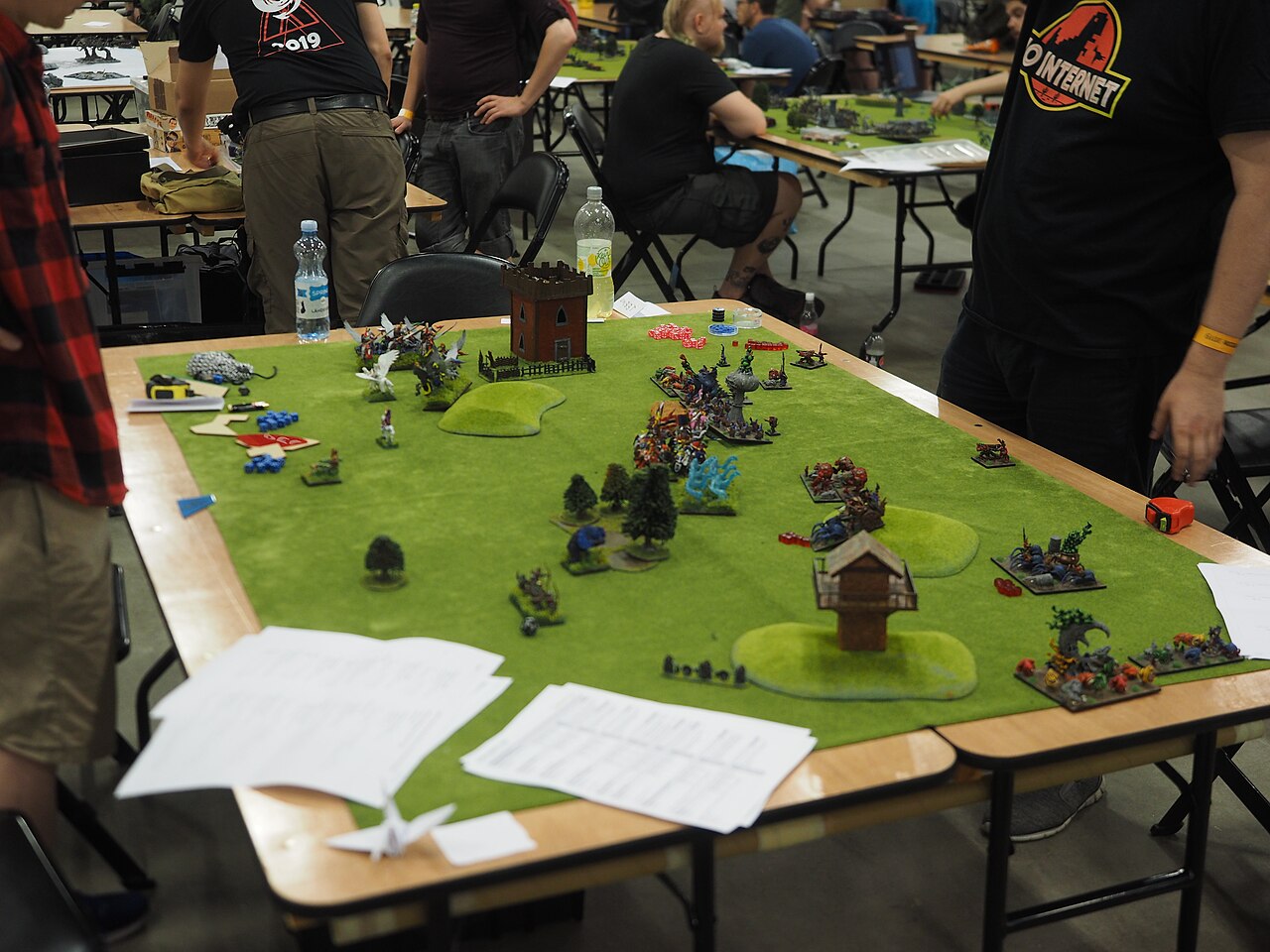
Let the teacher establish the flow
Put bags below the table where permitted, keep drinks away from components and wait for the explanation before moving pieces. Ask the teacher what a player is trying to accomplish and what happens on a normal turn. You do not need to absorb every exception immediately. If something is unclear, ask at a natural pause and listen when another beginner asks the same question. The aim is to understand the experience, not to demonstrate that you already know the most rules.
Notice what the demo cannot show
A shortened introduction may omit setup, scoring or the later stages of play. Ask how long a full game takes, how much reading players do, whether everyone remains involved between turns and how much help younger or new players need. Record the answers as the teacher's explanation rather than a personal test of the whole product. A pleasant ten-minute demo is useful evidence about one part of a game; it cannot establish how your group will feel after several complete sessions.
Compare two games consistently
After each demo, note player count, intended playing time, how turns work and one moment your group enjoyed. Add one uncertainty to investigate later. Resist taking so many photos that you forget the game's name; photograph the title with permission and pair it with your notes. If the published rules are available, read them after the show before buying. A brief comparison written while the details are fresh is more useful than trying to remember six similarly colored boxes on the journey home.
Leave time to play again
If a game interests you, ask whether another appropriate session is available and whether it needs a separate reservation. Do not occupy a teaching seat while browsing your phone or waiting for a friend who is not playing. Thank the teacher and clear your place when the session ends. Our gaming listings can help you find another public play event; the organizer's program tells you which sessions are suitable. A good demo visit ends with a clearer idea of your preferences, whether or not you purchase anything.
Continue exploring
Put the guide into practice
Current facts come from the directory. Follow the exact listing for admission, venue information and the official source.
Gen Con Indy 2027 · Aug 5 – Aug 8, 2027 · scheduled · 2027 dates announced; badge-sale schedule requires current organizer confirmation
Sources and visitor resources
- Gen Con: how event tickets work ↗
- Gen Con: attendee information ↗
- Pinball Expo: convention hall admission ↗
Source review: 2026-10-12. General planning guidance; confirm current details with the organizer.
General planning guidance, not firsthand event reporting. Always check the organizer’s current details.
Find your next event →