
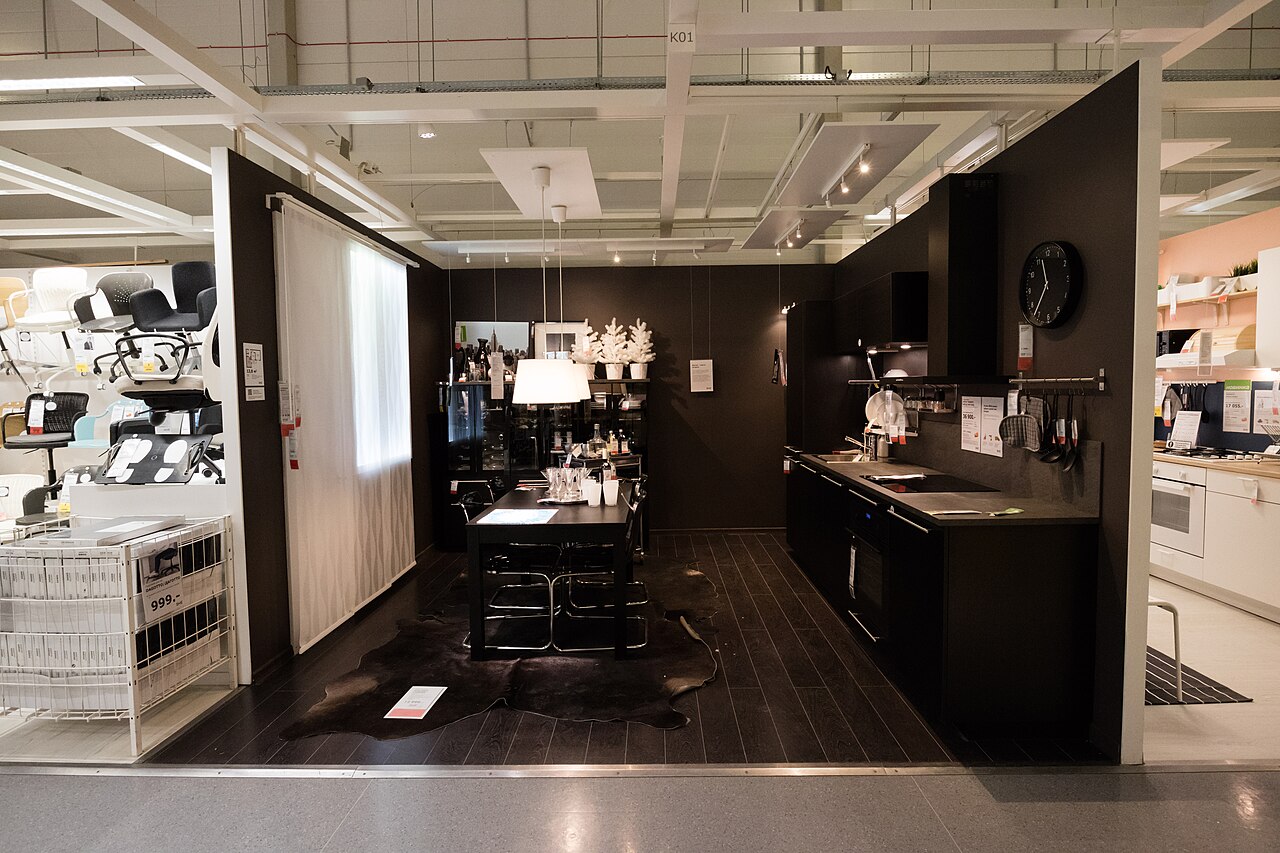
The glass surface does not identify the heat source
A home-show kitchen can present two smooth black cooktops that look nearly identical while producing heat in different ways. The visible surface is therefore a poor shortcut for identifying the technology. A product description can call one radiant and the other induction even when both use ceramic glass. GE’s product material provides examples of that pairing, while the Department of Energy explains induction’s electromagnetic relationship with cookware. Understanding the mechanism makes an appliance display easier to read. It also gives you a more useful question than asking whether every smooth-top appliance is the same kind of electric stove.
Radiant cooking heats through the surface relationship
A radiant electric cooktop uses heating elements beneath its glass surface. Heat reaches the cookware through the heated cooking area. GE’s cooktop explanation distinguishes this arrangement from induction. At an exhibit, a glowing ring, a diagram of an element or a model description can help identify the technology, but the product label is the most direct record. The cooking zone, surface and cookware form a chain in which heat moves from the element toward the contents of the pan. That chain explains why the material above the element and the pan’s contact with the surface belong in the appliance’s documentation.
Induction involves the cookware in the heating mechanism
Induction uses an electromagnetic field to induce currents in compatible cookware, producing heat in the cookware itself. DOE’s explanation identifies that mechanism rather than treating induction as a cosmetic variation of a radiant element. The cooktop and pan are interacting parts of the system. A display diagram might show coils beneath the glass and a pan above them, helping a visitor connect the word induction with the physical relationship it describes. The important distinction is where the mechanism produces heat. The fact that both appliances have an electrical supply does not make the path from that supply to the pan identical.
Cookware compatibility is a separate specification
Because induction relies on that electromagnetic interaction, the cookware must have the appropriate properties described by the appliance manufacturer. DOE discusses magnetic compatibility in its overview. At a home-show display, a prepared pan may already be selected to suit the demonstrated appliance. Its presence tells you what the presenter is using, while the product documentation explains the wider compatibility conditions. A familiar pan shape or a polished metal finish does not supply the whole answer. Read the manufacturer’s cookware description alongside the technology label, keeping material compatibility distinct from capacity, handle design or other features that affect the object’s appearance.
Compare two fictional display cards
Imagine two exhibit cards for otherwise similarly shaped cooktops. Card A identifies radiant heating under ceramic glass. Card B identifies induction under ceramic glass and names compatible cookware requirements. The shared surface description explains their visual resemblance; the different heating descriptions explain their functional distinction. Now imagine the cards also list different controls. Those controls would be another comparison dimension, rather than the definition of induction itself. This original example shows how to read a product description in layers: surface, heating mechanism, compatible cookware and interface. Keeping the categories separate prevents one attractive feature from standing in for the entire appliance technology.
A warm surface still needs its own explanation
Heating the pan directly does not mean every part of an induction cooking area remains cold. Heat can transfer back from hot cookware to the surrounding surface. GE’s surface-temperature support page explains this transfer from the pan, adding detail beyond the shorthand that only the cookware gets hot. In a show presentation, look for the appliance’s actual indicators and the explanation of what they represent. An indicator can communicate a condition the product is designed to report; its label should govern your interpretation. This is another example of why the heating mechanism and the visible interface are related categories, with different information supplied by each.
A demonstration has several variables
A cooking sample can involve a particular pan, amount of contents, starting condition and control setting. Those details affect what the audience is watching. If a presenter offers a timed comparison, the conditions belong with the claim. The useful learning opportunity is to connect the demonstration with the named mechanism, rather than assume that one brief sample defines every product in the category. In the two-card example, a similar appearance gave little information about the heat path; a documented demonstration could add information about a specific behavior. Product identity and demonstrated conditions help keep that additional information attached to the appliance actually shown.
Ask a mechanism question at the display
A focused conversation can begin with three things: which heating technology the model uses, what the supplied diagram shows and where its cookware requirements are documented. Those questions concern the appliance’s function rather than a generic kitchen-shopping checklist. Once the relationship is clear, the surface’s appearance becomes one design feature among several. A home-show display is particularly useful when it makes the hidden mechanism visible through diagrams, labels or a clearly explained sample. Reading those elements together turns two similar glass surfaces into two understandable systems and gives the visitor a precise way to describe their difference.
Continue exploring
Explore related events
Current facts come from the directory. Follow the exact listing for admission, venue information and the official source.
Albuquerque Home Expo — October 2026 · Oct 23 – Oct 25, 2026 · scheduled · Check organizer for free-ticket registration and current show information.
Sources and further reading
- U.S. Department of Energy: Induction cooking mechanism ↗
- GE Appliances: Radiant cooktop heat path ↗
- GE Appliances: Pan heat transfers to induction surface ↗
Source review: 2026-10-12. Examples identified as hypothetical are original illustrations.
An independently researched feature. Worked examples are illustrative; photographs identify their archive or collection context.
Find your next event →