Navigating the Spectrum of Technology Displays
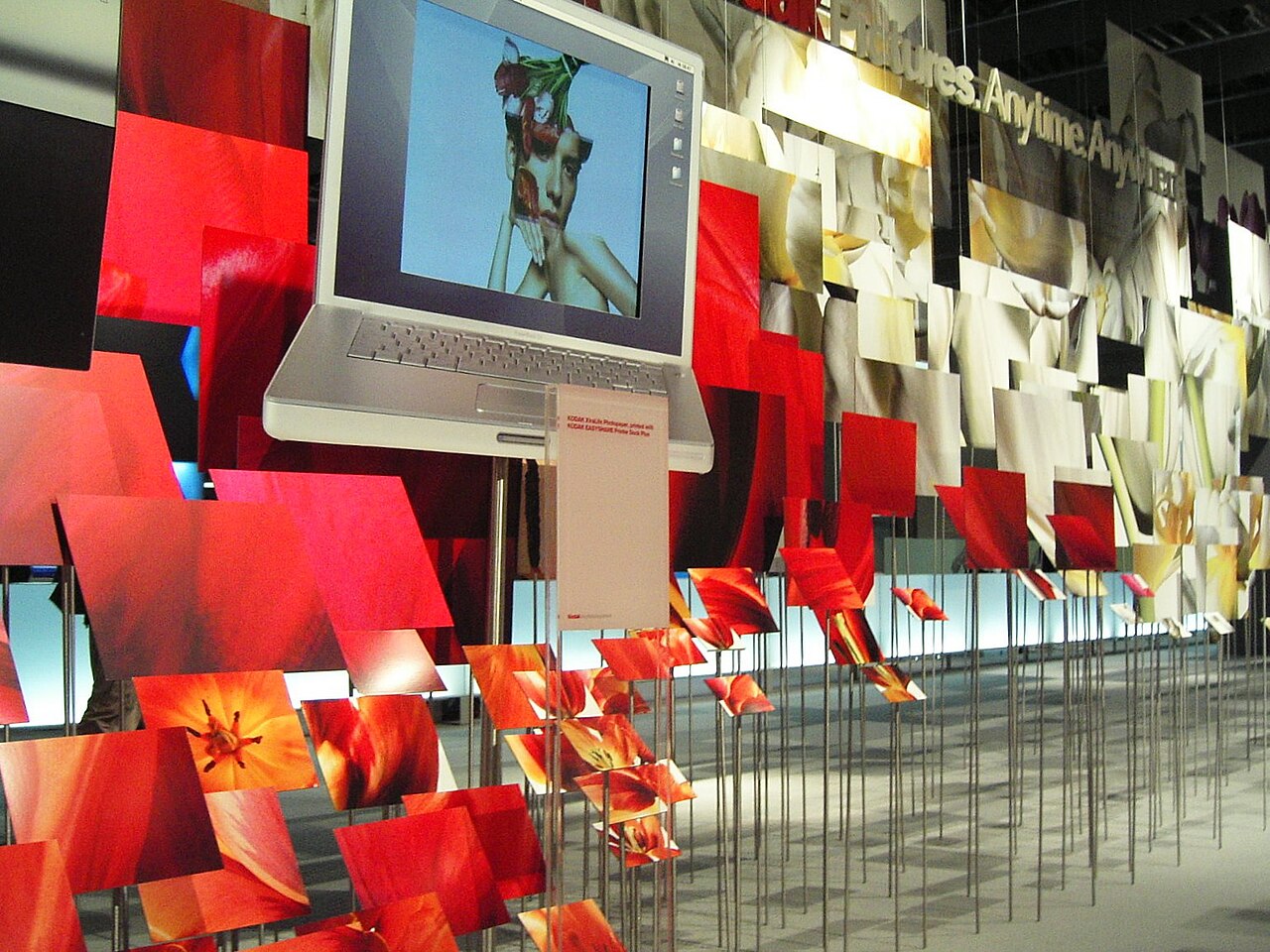
When walking through a modern photography or technology exhibition, visitors encounter innovations at vastly different stages of evolution. Some hardware exhibits showcase speculative research born from basic scientific inquiry, while others present fully realized consumer products ready for immediate purchase. Understanding this developmental spread is essential for any attendee trying to separate genuine breakthroughs from marketing concepts. Without a structured way to evaluate what is on display, it is easy to mistake a fragile laboratory model for a dependable tool. Exhibitions naturally concentrate diverse prototypes under one roof, creating an environment where initial proof-of-concept demonstrations sit right next to production-grade hardware. By recognizing that each exhibited item occupies a distinct point on a developmental ladder, visitors can adjust their expectations and ask more probing questions about when or even if a particular innovation will become commercially viable for daily creative workflows.
Recognizing Early-Stage Research and Concepts
At the earliest stages of technological progression, exhibits often center on basic principles and speculative applications. These presentations translate foundational laboratory research into future development paths, yet they frequently lack any experimental proof of concept. For the convention attendee, recognizing this nascent phase prevents misplaced enthusiasm over features that may take years to materialize. Exploratory displays at this level rely heavily on theoretical models rather than functioning hardware. When investigators begin active design, analytical studies and laboratory tests help determine basic viability, culminating in early proof-of-concept models. These initial demonstrations are inherently fragile and subject to major redesign before ever reaching a public market. Observers should view these early showcases as glimpses into long-term research directions rather than imminent additions to their camera bags, noting that translating fundamental science into reliable consumer gear involves overcoming numerous unforeseen engineering hurdles along the way.
Evaluating Intermediate Prototypes and Breadboards
As development advances, exhibits transition from abstract theory to tangible component testing and functional prototypes. Intermediate display configurations often feature multiple component pieces tested against one another to verify basic interoperability. More rigorous evaluations involve breadboard setups, where systems undergo simulations in environments mirroring realistic operating conditions. These setups allow engineers to identify performance bottlenecks before committing to final manufacturing toolsets. For trade show visitors, encountering a breadboard or early functional prototype means looking past rough wiring or exposed circuit boards to understand the underlying capability being tested. Fully functional representational models indicate that a project has crossed a major developmental threshold, moving closer to eventual production. However, even at this advanced junction, software stability, thermal management, and mechanical durability may still undergo extensive refinement, meaning performance in a controlled convention booth might not yet match harsh field conditions.
Identifying Market-Ready Hardware and Software
At the far end of the maturity spectrum lie fully tested, qualified, and proven technologies ready for direct implementation. In software development and digital imaging ecosystems, mature systems follow rigorous release cadences, moving through active development channels before reaching end users. Stable products undergo extensive quality assurance milestones, including feature freezes, code stabilization periods, and thorough test plan sign-offs to protect operational reliability. When evaluating hardware or software at this level during an exhibition, attendees can expect dependable performance supported by official documentation and structured update schedules. Unlike speculative prototypes, these mature offerings have survived rigorous stress testing and real-world deployment challenges. Recognizing these established indicators helps professionals make sound purchasing and integration decisions, ensuring that new gear brought into a production environment will enhance workflow efficiency rather than introduce unexpected compatibility or stability risks.
Parsing Exhibitor Claims Against Verified Milestones
Exhibitors frequently highlight innovative features that may reside at varying points within a structured release or readiness framework. Discerning visitors must look past promotional slogans to determine whether a demonstrated function is permanently integrated or merely running as an experimental feature flag. In many technology demonstrations, capabilities can be selectively enabled or modified through preferences and telemetry experiments without altering the core product structure. Asking exhibitors whether a showcased capability is standard across all production units or restricted to specific testing channels provides essential context. Furthermore, understanding whether software enhancements ride standard update trains or require specialized deployment helps buyers anticipate future support quality. By matching exhibitor claims against concrete developmental milestones, attendees avoid the common pitfall of assuming that a feature demonstrated in a specialized convention environment will function identically in everyday professional use.
Applying Structured Evaluation to Your Expo Visit
Preparing for a photography and technology exhibition benefits immensely from adopting a systematic approach to what you observe. Instead of passively admiring polished booth designs, visitors should actively categorize each interesting exhibit by its apparent maturity level. Inquire whether a camera sensor, lens design, or editing software feature is available for immediate acquisition, undergoing beta testing, or remaining strictly conceptual. This mindset transforms a standard trade show walkthrough into a rigorous technical evaluation. Documenting these distinctions allows attendees to prioritize which booths warrant deep discussions with engineers versus brief glances at marketing displays. When professionals return from the exhibition floor, their notes will clearly distinguish between near-term gear upgrades and long-term industry trends, enabling more rational budgeting and equipment planning for upcoming creative projects and studio investments.
Balancing Innovation Appeal with Practical Reliability
The ultimate goal of attending a technology exhibition is to balance the excitement of novel engineering with the practical demands of reliable production. While cutting-edge prototypes capture attention and showcase corporate vision, creative professionals depend on mature, well-tested instruments to execute daily assignments. Understanding the gap between a promising proof of concept and a field-proven device prevents costly premature investments in unstable gear. By applying rigorous maturity assessments to every demonstration encountered on the expo floor, visitors cultivate a discerning eye that serves them well long after the convention doors close. Embracing this analytical perspective ensures that equipment choices are driven by verified performance benchmarks rather than temporary convention hype, ultimately leading to more resilient technical workflows and smarter long-term purchasing strategies across the entire photography and technology sector.
How this article was prepared
This article used automated drafting and checks against the linked sources. Its photograph is identified and credited separately. Please use our correction link to report an error.
Continue exploring
Explore related events
Current facts come from the directory. Follow the exact listing for admission, venue information and the official source.
I/ITSEC Orlando 2026 · Nov 30 – Dec 3, 2026 · scheduled · Check the organizer for current registration and availability
Live Design International 2026 · Dec 2 – Dec 8, 2026 · scheduled · Edition verified; admission eligibility unconfirmed
CES 2027 — LVCC Exhibit Campus · Jan 6 – Jan 9, 2027 · scheduled · Verified trade edition — professional eligibility applies
Commercial Space Week Orlando 2027 · Jan 11 – Jan 14, 2027 · scheduled · Announced edition; check organizer registration status and admission details
Sources and further reading
- Technology Readiness Levels - NASA ↗
- Pocket Guide: Shipping Firefox — Firefox Source Docs documentation ↗
Source review: 2026-11-19. Examples identified as hypothetical are original illustrations.
An independently researched feature. Worked examples are illustrative; photographs identify their archive or collection context.
Find your next event →