
Understanding the Electromagnetic Principle
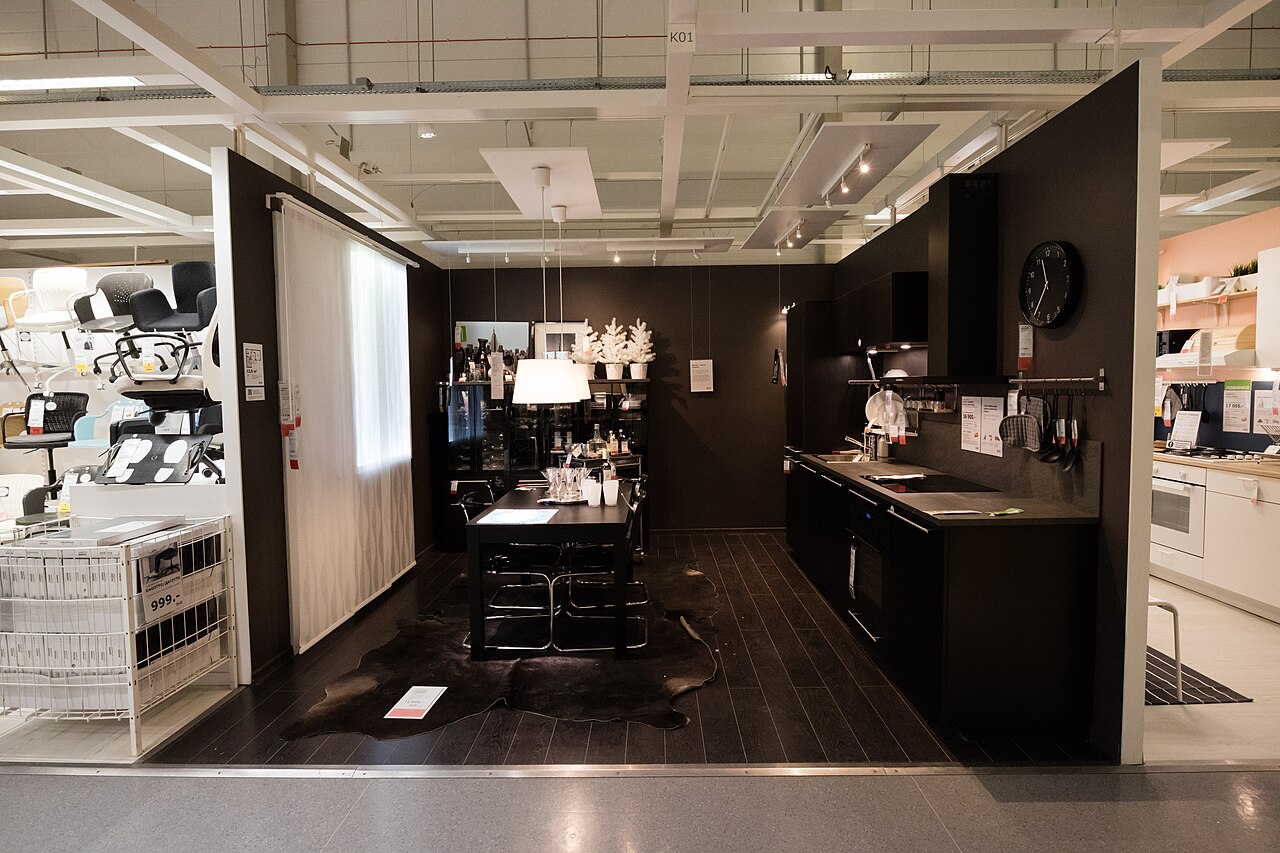
When visitors observe modern kitchen exhibits featuring smooth cooking surfaces, the underlying physics differs fundamentally from conventional burners. Traditional ranges rely on an open flame or an electric heating element that radiates thermal energy outward to warm pots and pans. In contrast, an induction appliance utilizes an embedded electromagnetic field. This invisible energy transfers electrical currents directly into compatible cookware resting on top of the ceramic glass. Rather than heating the surrounding air or creating a glowing red coil, the system forces the heat to originate from within the cooking vessel itself. The practical implication for home cooks is that energy is deployed where it is immediately needed, bypassing the radiant losses typical of older gas and electric stove designs.
Evaluating Cookware Compatibility Requirements
A common point of confusion for visitors encountering induction technology for the first time involves the specific pots and pans required to operate the appliance. Because the system relies entirely on electromagnetic interaction to generate heat, ordinary glass, copper, or aluminum cookware will not function unless they incorporate a magnetic base layer. A reliable method to test compatibility involves checking whether a standard kitchen magnet firmly adheres to the bottom of the vessel. For consumers planning a kitchen upgrade, this requirement means that transitioning to induction may necessitate auditing existing cookware collections. Fortunately, manufacturers have expanded options across various price points, and many modern multi-ply stainless steel or cast iron items already possess the necessary ferromagnetic properties for seamless daily use.
Analyzing Energy Efficiency Claims
Exhibition booths frequently highlight the exceptional energy performance of induction cooktops compared to legacy kitchen appliances. According to federal energy documentation, induction units achieve up to three times the efficiency of traditional gas stoves and outperform conventional smooth-top electric ranges by roughly ten percent. This performance gap stems from the direct transfer of energy into the pan rather than escaping into the kitchen environment. For households seeking to lower utility expenses, this improved efficiency translates directly into reduced energy consumption over months of meal preparation. Visitors evaluating home upgrade options should consider how appliance efficiency metrics align with their household cooking frequency and broader domestic energy reduction goals.
Examining Surface Temperature and Safety Dynamics
Demonstration staff often emphasize the unique thermal behavior of ceramic glass surfaces during operation. Because the cooktop generates heat strictly inside the cookware, the glass surface itself does not contain a primary heating element. However, manufacturer guidance notes that the cooking zone can still become warm to the touch due to thermal transfer from the hot pan resting on it. Once the cookware is lifted away, heating stops instantly, and the surface cools much faster than traditional electric coils. This characteristic significantly reduces the risk of accidental burns for families with children and prevents stray spills from baking onto scorching hot metal burners, simplifying post-meal cleanup routines significantly.
Comparing Boiling Speeds and Precision Control
Live demonstrations at consumer exhibitions regularly showcase the rapid heating capabilities of electromagnetic cooktops. Independent testing cited by federal agencies indicates that induction appliances can boil water twenty to forty percent faster than tested gas and traditional electric alternatives. Beyond raw speed, the electromagnetic field allows for minute adjustments in power delivery, yielding exceptionally even heating across the base of the pan. For home cooks executing delicate culinary tasks like melting chocolate or simmering complex sauces, this level of precise thermal control eliminates sudden temperature spikes. Visitors should look for responsive interface controls during product demonstrations to evaluate how quickly power adjustments translate into observable changes in the pan.
Assessing Financial Accessibility and Incentives
While early generations of induction appliances carried prohibitive price tags, recent market trends show that costs have fallen considerably for consumers. Standard four-burner induction ranges now retail around one thousand dollars, while renters or hesitant buyers can test the technology using portable single-burner units costing significantly less. Furthermore, federal energy initiatives and regional programs provide financial support structures, including potential rebates for homeowners replacing older gas or conventional electric cooktops. When reviewing pricing at home exhibitions, shoppers should calculate total acquisition costs by factoring in potential utility bill reductions alongside available consumer incentives and rebates designed to encourage electrification.
Integrating Induction into Modern Kitchen Layouts
Planning a successful kitchen renovation involving an induction cooktop requires examining spatial integration alongside electrical requirements. Because these appliances demand dedicated electrical capacity to power their electromagnetic coils, installers must verify household wiring before finalizing cabinetry and countertop cuts. Visitors examining showroom models should pay close attention to ventilation clearances, control panel placement, and surface durability features like crack-resistant ceramic glass. By treating a home-show visit as an opportunity to inspect technical specifications rather than just aesthetic finishes, homeowners can ensure their newly selected cooktop integrates smoothly into daily culinary workflows and long-term kitchen maintenance plans.
How this article was prepared
This article used automated drafting and checks against the linked sources. Its photograph is identified and credited separately. Please use our correction link to report an error.
Continue exploring
Explore related events
Current facts come from the directory. Follow the exact listing for admission, venue information and the official source.
El Paso Home Show — November 2026 · Nov 20 – Nov 22, 2026 · scheduled · Check organizer for free-ticket registration and current show information.
Irrigation Show and Education Week 2026 · Dec 7 – Dec 10, 2026 · scheduled · Edition verified; admission eligibility unconfirmed
California Home Show 2026 · Dec 12 – Dec 13, 2026 · scheduled · Public visitor admission advertised; check current tickets and entry rules.
Texas Home Show 2027 · Jan 2 – Jan 3, 2027 · scheduled · Public visitor admission advertised; check current tickets and entry rules.
Sources and further reading
- Making the Switch to Induction Stoves or Cooktops | Department of Energy ↗
- Electric Range - Surface Seems Too Hot on Induction Cooktop Models ↗
Source review: 2026-10-23. Examples identified as hypothetical are original illustrations.
An independently researched feature. Worked examples are illustrative; photographs identify their archive or collection context.
Find your next event →










