
Start with the task you want to improve
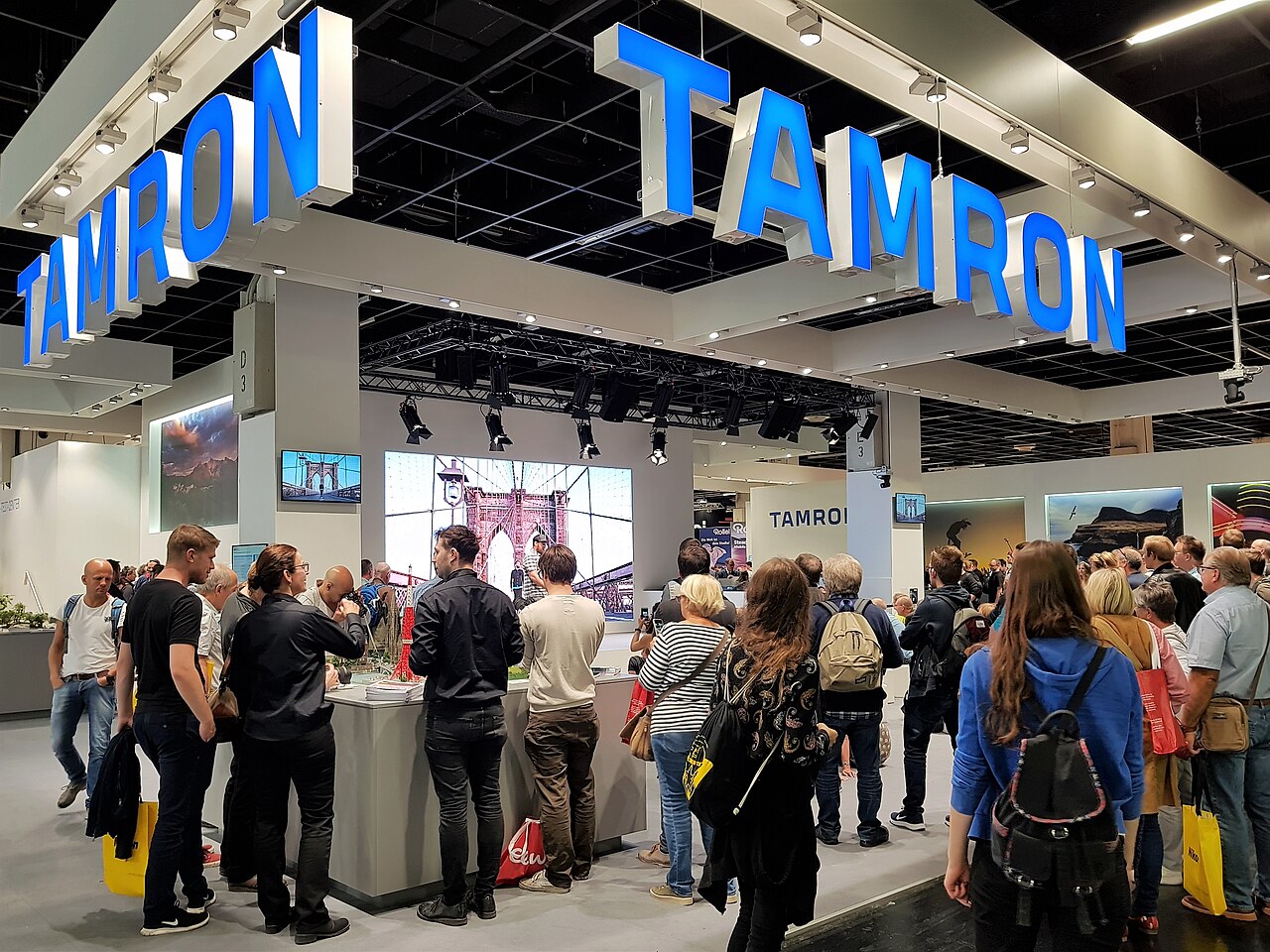
A camera demonstration is most useful when it relates to something you actually photograph. Name the task before visiting a booth: an indoor event, a family outing or a landscape walk, for example. Explain what feels difficult with your current setup. This keeps the discussion focused on your work rather than on a list of new features. You may discover a useful technique or setting instead of a reason to change equipment immediately after the show.
Ask what the demonstration allows
Before picking up equipment, follow the exhibitor’s instructions and confirm what you may try. Some displays are hands-on; others are demonstrations led by staff. Ask whether you can use your own memory card or view files afterward, rather than assuming that is permitted. A brief session in a bright exhibition booth is not the same as testing equipment across all the conditions you face. Understand that limitation and use the session to identify more precise questions for later research.
Keep the comparison consistent
If you visit several booths, describe the same task at each one. Note which lens, lighting and display settings are involved so that unlike setups do not create a misleading comparison. Ask the demonstrator to explain the part of the process you are observing. Avoid ranking equipment solely by images on different screens. The size, brightness and presentation of a booth display can influence your impression without answering the practical question that brought you to the show.
Consider the experience of carrying and using it
Pay attention to how the equipment feels within the permitted demonstration, including access to controls and the clarity of the explanation. Ask about the system’s practical requirements and where to find official documentation. A specification sheet cannot fully describe how a setup fits your routine, but a short handling opportunity cannot settle long-term comfort either. Record questions about size, workflow and compatibility so you can investigate them carefully after the event rather than guessing in the aisle.
Know which show format you chose
Photorama describes camera shows, while ShutterFest’s registration page describes a different kind of photography event. A show floor, a workshop and a broader public technology expo offer different opportunities. Do not assume that a ticket includes a class, equipment trial or a particular provider’s presence. Check the current organizer information before traveling. Our Photography & Technology listings help you compare those formats and reach the edition-specific official resources for the event that interests you.
Review evidence after the excitement settles
At home, compare your notes with official documentation and any permitted samples from the demonstrations. Ask whether the information answers your original task. If important questions remain, identify an appropriate way to test or learn more before making a decision. This feature does not review or recommend a particular camera. A good show visit gives you a clearer understanding of what to investigate and which questions matter, rather than an immediate conclusion from a brief encounter with a well-presented display.
Continue exploring
Put the guide into practice
Current facts come from the directory. Follow the exact listing for admission, venue information and the official source.
STEMCON Public STEM Expo 2027 · Apr 24, 2027 · scheduled · Public visitor information — check organizer updates
Sources and visitor resources
- Photorama official camera-show information ↗
- ShutterFest official registration information ↗
- STEMCON public STEM Expo information ↗
Source review: 2026-10-12. General planning guidance; confirm current details with the organizer.
General planning guidance, not firsthand event reporting. Always check the organizer’s current details.
Find your next event →