
Organizational Foundations and Core Mission
The Sports Field Management Association operates as a dedicated professional network established in 1981 to unite individuals involved in athletic turf care. Headquartered in Lawrence, Kansas, the association brings together professionals who share a common goal of elevating industry standards. By focusing on structured educational initiatives and awareness programs, the organization seeks to cultivate higher levels of competence among turf managers everywhere. Rather than functioning as a casual club, it operates with a clear vision to act as a recognized leader in strengthening the entire sector. Its foundational charter emphasizes that safe, high-quality playing surfaces require specialized knowledge, continuous skill development, and rigorous adherence to established maintenance practices across diverse regional climates and athletic facility types.
Growing Membership and National Reach
Over decades of steady operation, the association has expanded its professional footprint to encompass approximately 2,500 active members nationwide. This diverse constituency includes turfgrass specialists, municipal park directors, school district groundskeepers, and commercial suppliers who manage athletic fields at every level of competition. This expansive membership base allows the organization to pool practical insights from professional stadiums, university complexes, and local community parks alike. Such a broad coalition ensures that educational resources reflect real-world challenges ranging from heavy seasonal wear to unexpected weather events. By connecting practitioners across different geographical regions, the network facilitates the sharing of innovative maintenance techniques, equipment management strategies, and operational solutions that individual facilities might otherwise struggle to develop independently.
Educational Framework and Safety Standards
A primary objective of the association involves advancing safety and professionalism through targeted educational programs and industry development initiatives. Athletic field managers face constant pressure to maintain optimal turf conditions while minimizing injury risks for participating athletes across various sports codes. To address these demands, the organization curates guidelines that cover soil composition, drainage engineering, turfgrass selection, and surface compaction management. These educational materials help practitioners evaluate their current maintenance routines against recognized benchmarks, ensuring that playing surfaces remain resilient under intensive use. By prioritizing safety awareness, the association equips its members with the technical justification needed to secure appropriate maintenance budgets and operational resources from facility owners and municipal authorities.
Collaborative Event Scheduling and Venues
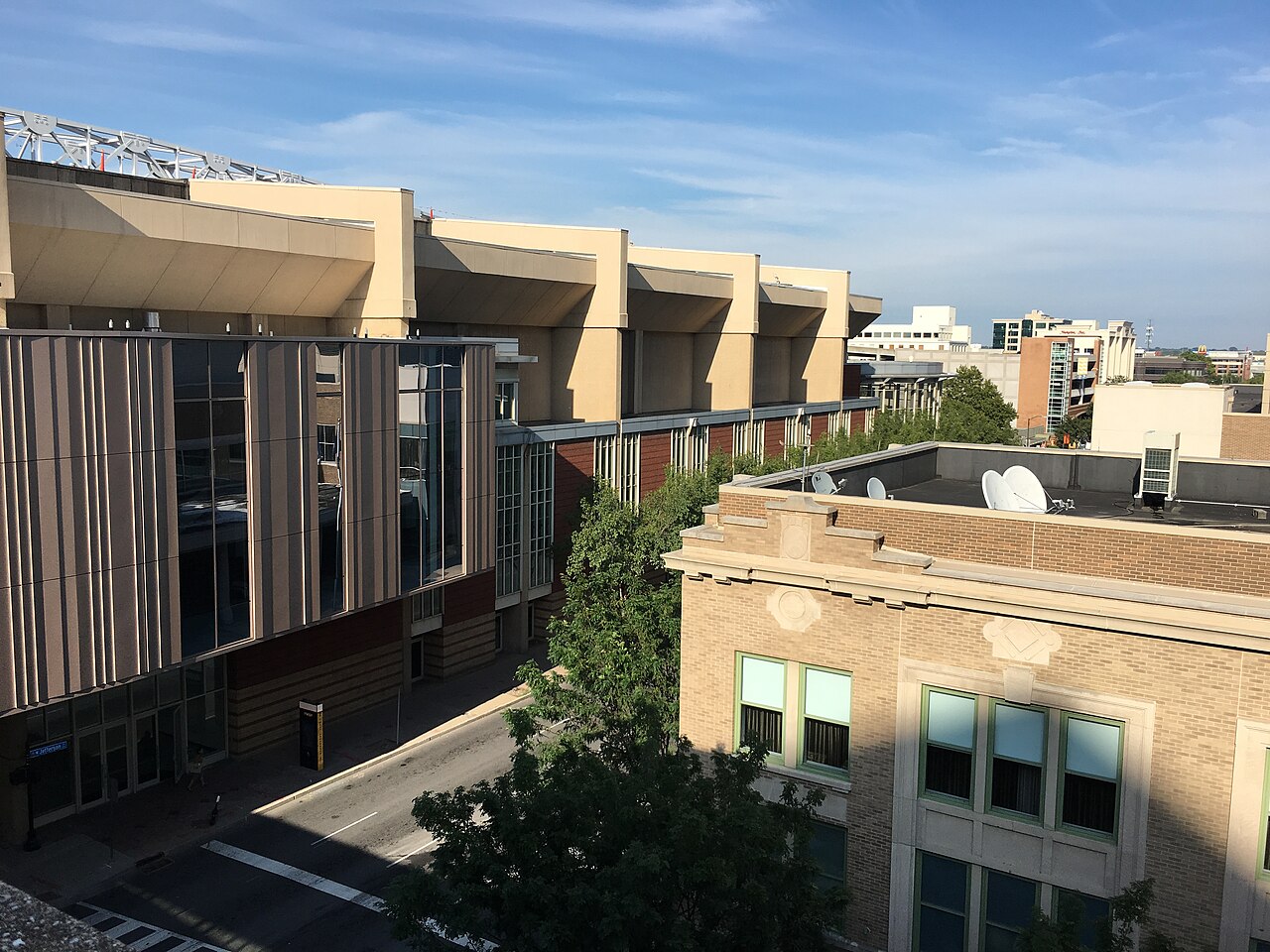
To fulfill its mission of facilitating idea-sharing, the association organizes major gatherings that bring industry professionals together in dynamic convention environments. A notable upcoming event is scheduled at the Tampa Convention Center, situated along the Hillsborough River in downtown Tampa, Florida. This facility offers extensive meeting infrastructure and direct access to local urban amenities, making it well-suited for hosting large-scale professional development conferences. Attendees can navigate structured seminar tracks while engaging directly with peer practitioners and industry exhibitors. Such scheduled gatherings provide vital forums for discussing emerging turf technologies, environmental regulations, and sustainable maintenance practices that shape the future of modern sports facility management across the country.
Regional Context of Host Destinations
Selecting host cities like Tampa places association events within vibrant urban centers characterized by diverse economic activity and rich historical development. Situated on the Gulf coast, Tampa evolved from early colonial exploration and military outposts into a thriving multi-cultural business center with robust transportation and port infrastructure. The city features a dense downtown core defined by modern commercial towers, accessible convention facilities, and waterfront recreational paths like the Riverwalk. For visiting professionals attending conferences at the convention center, this urban context provides an accessible setting that combines professional utility with local cultural attractions. Understanding the host city environment helps event participants plan efficient travel itineraries, coordinate local ground transport, and maximize their professional engagement throughout the conference duration.
Practical Implications for Facility Managers
Engaging with a specialized professional association yields tangible operational benefits for municipal and institutional turf managers striving to maintain aging or heavily scheduled facilities. Membership resources provide actionable frameworks for diagnosing turf stress, optimizing irrigation schedules, and implementing integrated pest management without relying on guesswork. When facility supervisors apply standardized safety metrics learned through association programs, they can objectively assess field playability and communicate maintenance needs more effectively to administrative stakeholders. Furthermore, participating in national networks allows grounds crews to anticipate regulatory changes and adopt environmentally responsible management practices that comply with evolving municipal standards and regional conservation policies.
Future Outlook for the Turf Industry
As community demands for multi-use recreational spaces continue to accelerate, sports field management organizations face increasing pressure to balance heavy scheduling with sustainable turf health. The Sports Field Management Association addresses these challenges by championing ongoing research, professional credentialing, and collaborative problem-solving among its members. By fostering continuous learning and elevating the public recognition of turf professionals, the association helps ensure that athletic fields remain safe, durable, and well-maintained assets for communities nationwide. Industry participants who leverage these collective educational and networking resources will be better positioned to navigate future environmental and operational complexities while upholding the highest standards of athletic field safety.
How this article was prepared
This article used automated drafting and checks against the linked sources. Its photograph is identified and credited separately. Please use our correction link to report an error.
Continue exploring
Sources and updates
Sources reviewed 2026-11-02. Confirm current schedules and attendance rules with the organizer.











