
Foundational History and Incorporation Roots
The Hoosier Kennel Club holds a long-standing position within American canine exhibition promotion, having achieved state recognition as a nonprofit corporation on April 11, 1924. Operating under early leadership from figures such as President Harry A. Meyer and Secretary Albert A. Meyer, the organization established its initial roots by transitioning from the older Indianapolis Kennel Club name. Early administrative structures relied heavily on close-knit membership models, starting with a modest roster of five members and eight associate members. This foundational period required significant personal financial investment from board members, who frequently covered operational shortfalls out of pocket and utilized bank loans to maintain show viability during challenging economic climates.
Evolution of Show Formats and Bench Regulations
Throughout its first several decades, the organization defined its exhibitions through strict bench show traditions where participating canines remained on assigned benches for public viewing. This operational style required substantial equipment management, illustrated by the club purchasing 500 benches for fourteen hundred dollars in 1929 after years of rental arrangements. Shows initially spanned multiple days, incorporating various promotional tactics ranging from street advertisers carrying signs to transit stickers. The bench show format persisted until 1960, after which exhibition structures modernized to align with contemporary American Kennel Club standards while retaining traditional judging tiers, breed specialties, and structured junior handling classes for youth participants.
Venue Transitions Across Indianapolis Landmarks
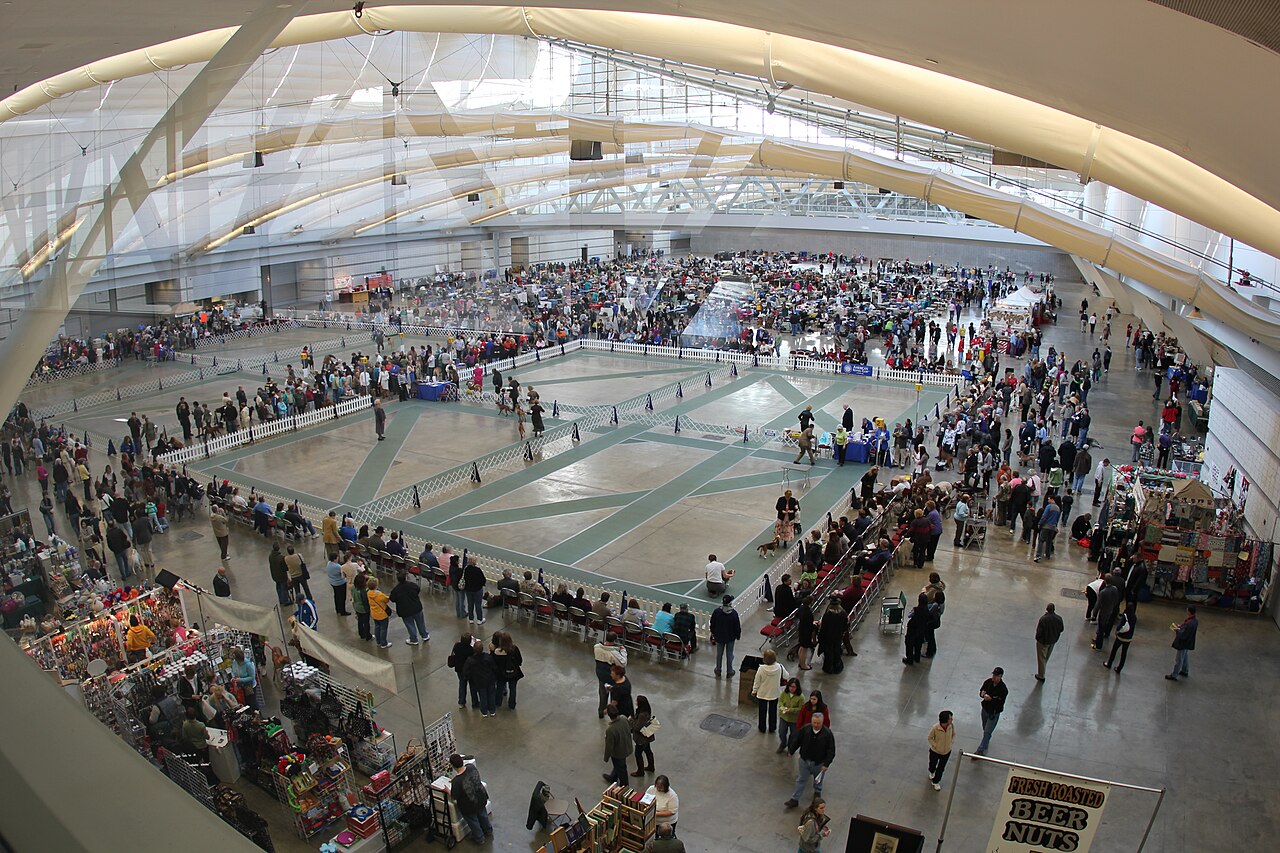
Operational longevity for any major event producer involves adapting to changing infrastructure, and the club has utilized numerous venues across its century of operation. Early and mid-century events took place across multiple buildings at the Indiana State Fairgrounds, including the Manufacturing building, horse barns, cattle buildings, and the historic Coliseum where organizers famously introduced red carpets and spotlights for Best in Show presentations. In 1972, operations relocated to the downtown Indianapolis convention center, where events remained hosted for two decades before returning to the Indiana State Fairgrounds in 1993. These venue shifts demonstrate how event organizers must continuously evaluate spatial capacity, parking logistics, and exhibitor accessibility to accommodate growing entry numbers.
Navigating Administrative Continuity and Leadership
Behind every sustained public exhibition is a stable administrative framework capable of managing complex regulatory compliance, superintendent coordination, and volunteer deployment. Historical records indicate that administrative continuity was anchored by dedicated individuals, including four specific secretaries who collectively served for eighty years across the club's history. These administrative roles managed superintendent contracts, such as engagements with Onofrio Dog Shows, while coordinating AKC licensing requirements. For modern event planners, examining this administrative resilience highlights the importance of institutional memory and meticulous record-keeping when managing multi-day events that involve hundreds of distinct breed entries and specialized judging panels.
Community Integration and Philanthropic Support
Modern event promotion extends beyond commercial ticket sales into deep community engagement and charitable support, a principle clearly reflected in the organization's public history. Over the decades, the club has directed financial support toward diverse regional and national beneficiaries, including veterinary research funds at Purdue University, protective equipment for police K9 units, children hospitals, and emergency animal relief initiatives. For visitors and exhibitors alike, understanding this philanthropic foundation reframes an attendance ticket as part of a broader community ecosystem. Exhibitions that actively support local institutions tend to foster stronger civic partnerships, secure more reliable venue support, and build lasting loyalty among participating breed clubs.
Modern Event Operations and Spectator Access
Today, the organization promotes major modern gatherings such as the Indy Winter Classic, showcasing how contemporary canine events balance professional competition with public accessibility. Current operational frameworks establish clear ticketing policies, such as tiered spectator fees alongside complimentary admission for children, military personnel on specific days, and weekday sessions. Logistics planning requires careful coordination of vendor rentals, parking infrastructure, and RV accommodations for traveling handlers. For industry professionals analyzing modern event production, these structured admission tiers and visitor accommodations provide a practical model for managing high-volume spectator traffic while preserving a smooth, organized environment for competitive judging rings.
Evaluating Public-Source Profiles Versus Interviews
When examining event production organizations through public documentation rather than direct interviews, researchers must rely entirely on verified organizational archives, minutes, and published governance data. This public-source profile framework ensures that all historical claims regarding founding dates, venue relocations, and charitable contributions remain anchored in verifiable evidence rather than promotional embellishment. Analyzing an organization's public history offers valuable insights into how enduring event brands survive economic shifts, venue changes, and leadership transitions. Event management students and industry observers can utilize these documented operational histories to benchmark their own logistical strategies against century-tested standards of event administration.
How this article was prepared
This article used automated drafting and checks against the linked sources. Its photograph is identified and credited separately. Please use our correction link to report an error.
Continue exploring
Sources and updates
Sources reviewed 2026-11-13. Confirm current schedules and attendance rules with the organizer.











