
Historical Origins and Early Fair Promotion
Public historical documentation indicates that the roots of modern agricultural event promotion in Summit County stretch back to the mid-nineteenth century. According to archival records preserved by the Summit County Agricultural Society, local boosters and regional delegates formally organized the society on November 14, 1849, during a meeting held at the county courthouse. Early leaders such as Col. Simon Perkins and Henry G. Weaver established the initial framework to stimulate local trade and showcase agricultural achievements. The first official fairs, held in October 1850 on the courthouse grounds, relied on modest financial backing from county commissioners and local membership dues. This early mobilization set a precedent for community-backed event coordination that prioritized regional commerce, livestock exhibition, and domestic arts competitions. Understanding these foundational events provides necessary context for how modern agricultural societies transition from localized harvest festivals into structured regional event promoters managing complex multi-day community gatherings.
Organizational Structure and Governance
The governance model of the Summit County Agricultural Society operates through a structured framework of elected officers, appointed directors, and community members. Public documents outline that residents aged eighteen and older can purchase annual memberships, which grant voting privileges in board elections held at designated administrative facilities like the Virginia O'Casek Party Center. The elected board of officers oversees executive administration, financial reporting, and the scheduling of diverse activities across the fairgrounds property located in Tallmadge, Ohio. Committees manage specific operational domains, including concession coordination, junior fair youth programs, and annual budget allocations. This administrative rigor ensures that event planning follows transparent governance standards rather than ad-hoc decision-making. For visitors and participating vendors, recognizing this structured internal organization clarifies how large community venues maintain continuous operational readiness, schedule routine safety meetings, and manage complex multi-stakeholder calendars throughout the calendar year.
Evolution of Grounds and Venue Infrastructure
Over nearly two centuries, the physical footprint of the Summit County Fair has undergone significant geographic and infrastructural transformations. Historical chronicles trace the event from early courthouse lawns and temporary downtown tracts to larger sites like Summit Grove and Fountain Park before settling into its modern Tallmadge location. Following a reorganization in 1957 under leadership such as Charles Call, the society secured acreage and gradually expanded its physical infrastructure to include dozens of permanent exhibition buildings, show rings, and a grandstand. A major milestone in modern venue utility was reached with the opening of the large indoor Arena Complex, designed to accommodate year-round rentals. These physical expansions demonstrate how event promoters must continuously invest in flexible, multi-use facilities to support shifting community demands, ranging from livestock judging and agricultural displays to large-scale indoor sports, trade shows, and motorized competitions.
Balancing Traditional Agriculture and Youth Programs
At the core of the society's public mission is the promotion of regional youth involvement, particularly through structured agricultural and domestic arts projects. Public disclosures emphasize that the reorganization of the society in 1957 specifically prioritized Summit County youth activities, embedding educational initiatives deeply into the organization's identity. During the annual summer fair, exhibition halls showcase extensive 4-H and open class entries spanning livestock, horticulture, floraculture, domestic arts, and culinary displays. These programs offer participants practical learning experiences in animal husbandry, mechanics, and domestic sciences, judged against established criteria such as senior yearling heifer classes or traditional handicraft standards. For observers and families attending these events, the clear demarcation between competitive classes highlights the educational rigor underpinning community fairs, transforming casual leisure visits into structured opportunities for youth mentorship and agricultural awareness.
Year-Round Event Programming and Diverse Rentals
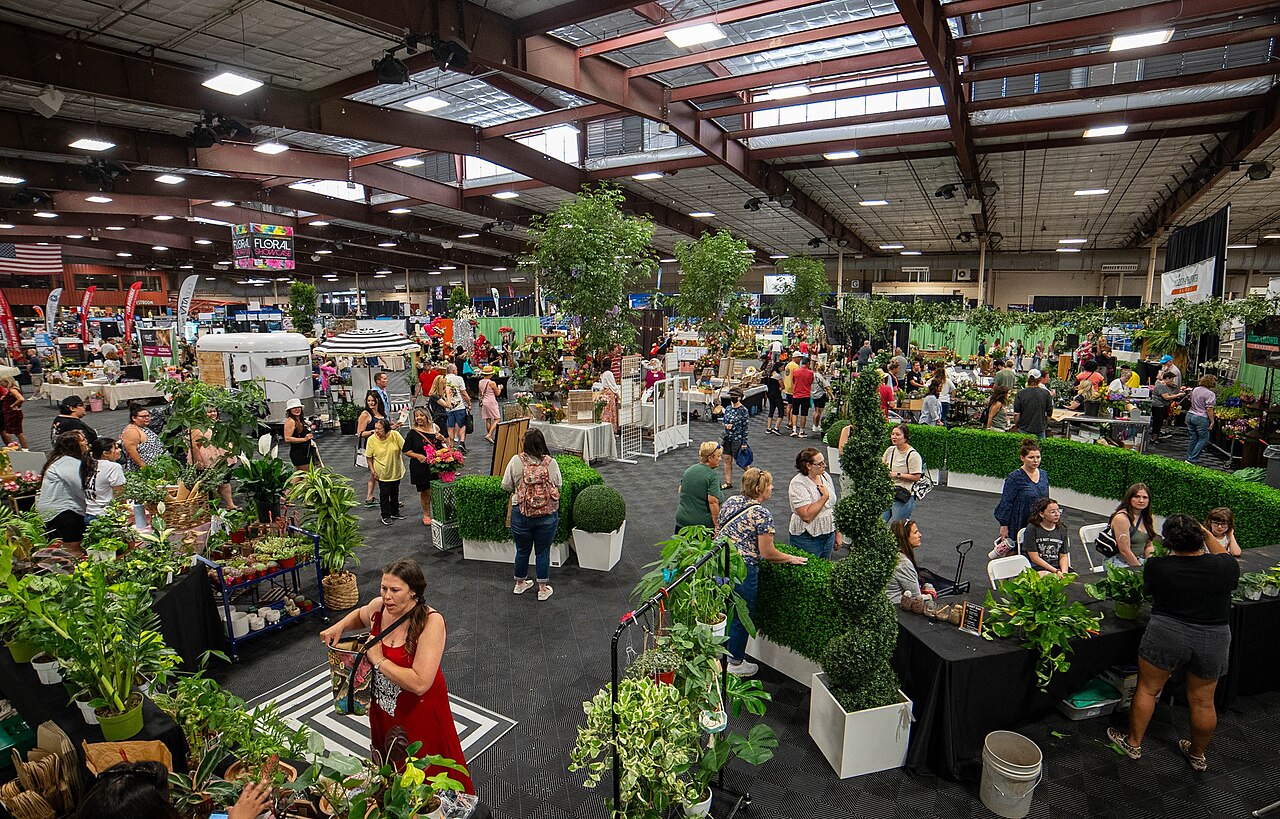
While the annual summer fair remains the primary showcase for the organization, public scheduling documents reveal a robust calendar of year-round events hosted across the venue complex. The facilities regularly accommodate third-party promoters and community partners who stage dog shows, craft fairs, equestrian competitions, indoor motocross races, gun and knife exhibitions, and blood drives. This diversified programming model maximizes venue utilization beyond the traditional harvest season, generating steady local economic activity in partnership with regional visitors bureaus, hotels, and restaurants. For event attendees, this year-round operational tempo requires careful navigation of published schedules, admission fee policies, and specific gate instructions, such as utilizing designated parking entrances for recurring community health initiatives. Recognizing the breadth of these outside rentals helps visitors appreciate the logistical complexity required to manage a multi-use county fairgrounds complex week after week.
Financial Policies and Accessible Family Admission
Financial sustainability and public accessibility have long been central priorities for the promoters of the Summit County Fair. Historical records indicate that early fairs relied on membership fees and modest entry charges to fund prize lists, while twentieth-century boards introduced innovative ticketing models to keep the grounds family-oriented. A significant operational shift occurred with the implementation of a unified admission policy designed to offer predictable pricing for families attending the multi-day event. Current schedules continue this tradition of transparent financial governance, publishing clear fee structures for parking, daily admission, and special events across both agricultural and commercial attractions. For the visiting public, these predictable pricing mechanisms eliminate guesswork and encourage broader community participation, ensuring that regional educational exhibitions remain accessible to diverse socioeconomic groups without hidden operational costs.
Navigating Public Policies and Visitor Guidelines
Attending events managed by the Summit County Agricultural Society involves adherence to clearly published visitor policies, safety notices, and property regulations. Public schedules explicitly outline important liability warnings, noting that visitors enter the grounds at their own risk regarding activities, travel, and incidental occurrences. Additionally, the society provides specific instructions for participating in specialized programs, such as scheduling blood donations through designated sponsors or verifying separate promoter guidelines for outside events hosted on the property. These informational protocols ensure that guests understand venue boundaries, parking assignments, and administrative contact channels prior to arrival. For event-goers, reviewing these published guidelines transforms a routine weekend visit into an informed, safe experience, highlighting the essential administrative communication that sustains public trust in traditional agricultural event management.
How this article was prepared
This article used automated drafting and checks against the linked sources. Its photograph is identified and credited separately. Please use our correction link to report an error.
Continue exploring
Sources and updates
Sources reviewed 2026-11-13. Confirm current schedules and attendance rules with the organizer.











