
Understanding the Event Scope and Venue Logistics
The AB Show serves as a major trade exhibition for athletics, fitness, recreation, and military facility professionals. Scheduled to take place at the Orange County Convention Center, the event brings together managers and operators who oversee large-scale capital improvement projects. Because attendees frequently represent multi-million dollar renovation budgets, navigating the venue efficiently requires a structured approach. Visitors should review the main exhibition floor operating hours, registration windows in West Hall E, and setup timelines well in advance to maximize their time on-site without missing key operational updates.
Managing Conference Sessions and Trade Show Hours
Event scheduling is divided between educational conference sessions and active trade show hours, requiring careful time management for attendees balancing both commitments. Main conference programming runs from Tuesday through Thursday, while the tradeshow floor opens during designated afternoon and midday windows on Wednesday and Thursday. Professionals attending multiple tracks should cross-reference session start times with exhibition periods to avoid scheduling conflicts. Structuring each day around specific educational priorities ensures visitors can engage with expert speakers and still leave adequate hours for exploring new vendor offerings on the main floor.
Leveraging Specialized Co-Located Pavilions
A distinctive feature of the exhibition floor is the inclusion of several co-located association pavilions that address specialized industry sectors. The presence of the Medical Fitness Association pavilion provides targeted resources for medically integrated health facilities, while the Association of Outdoor Recreation and Education highlights outdoor programming initiatives. Additionally, the National Alliance for Youth Sports pavilion focuses on critical governance and operational topics affecting youth leagues. Exploring these dedicated zones allows facility managers to concentrate on niche operational challenges without wandering aimlessly across the entire convention footprint.
Engaging with Interactive Floor Demonstrations
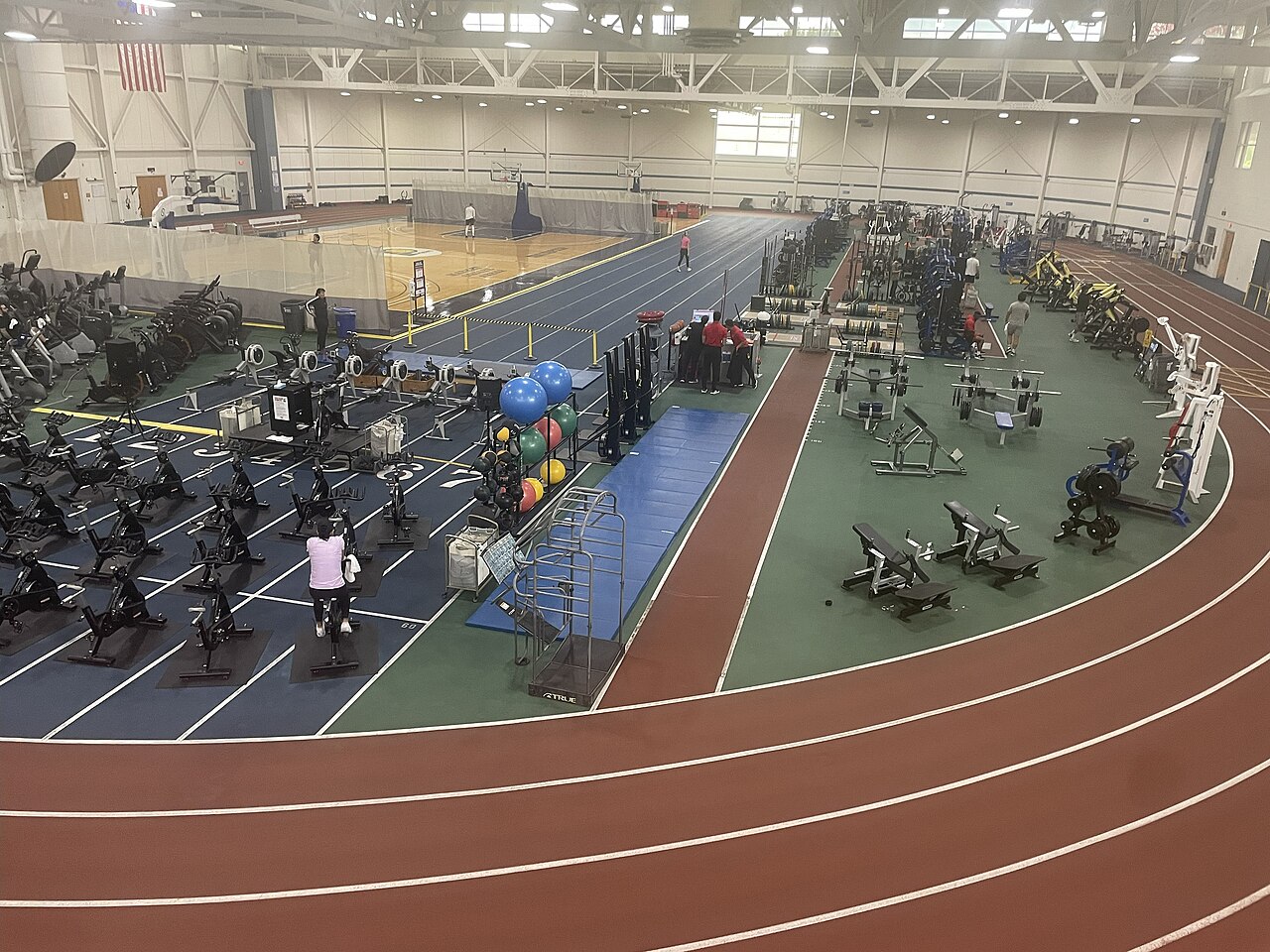
Beyond traditional booth displays, the exhibition incorporates active zones designed to demonstrate emerging trends and equipment in real time. The demo stage offers scheduled classes and equipment showcases that highlight innovative fitness programming ideas applicable to community centers and athletic complexes. Similarly, dedicated court areas for pickleball and free-throw challenges provide hands-on environments where participants can evaluate equipment durability and user engagement firsthand. Observing these live activities gives facility operators concrete insights into how patrons interact with different activity layouts.
Targeting High-Value Purchasing Discussions
Exhibitor data indicates that a vast majority of attendees hold direct purchasing power or influence within their home organizations. Consequently, conversations on the expo floor often move quickly from general product overviews to specific procurement, leasing, and outfitting considerations. Facility directors should arrive with clear facility specifications, current maintenance logs, or architectural improvement plans to make these vendor interactions productive. Preparing targeted questions about lead times, warranties, and commercial durability helps transform casual booth visits into actionable vendor evaluations.
Utilizing Networking Events and Industry Receptions
Professional networking extends past the exhibit hall doors through organized social events and evening gatherings designed to foster peer connections. The official industry party, hosted at an off-site venue requiring proper show credentials, offers a structured environment for attendees to discuss shared facility management hurdles away from the exhibition floor. Balancing structured daytime meetings with evening networking opportunities allows delegates to build lasting professional relationships with fellow recreation managers, military fitness directors, and collegiate athletic coordinators.
Post-Show Follow-Up and Action Planning
Extracting long-term value from the convention requires an organized post-event review process before collected brochures and digital lead retrievals are misplaced. Attendees should categorize their exhibition notes according to immediate capital improvement needs versus long-term facility upgrades identified during conference seminars. By sorting vendor contacts and distributing relevant product information to internal purchasing committees shortly after returning home, organizations can turn brief convention encounters into successful facility enhancement projects.
How this article was prepared
This article used automated drafting and checks against the linked sources. Its photograph is identified and credited separately. Please use our correction link to report an error.
Continue exploring
Sources and updates
Sources reviewed 2026-11-12. Confirm current schedules and attendance rules with the organizer.











