
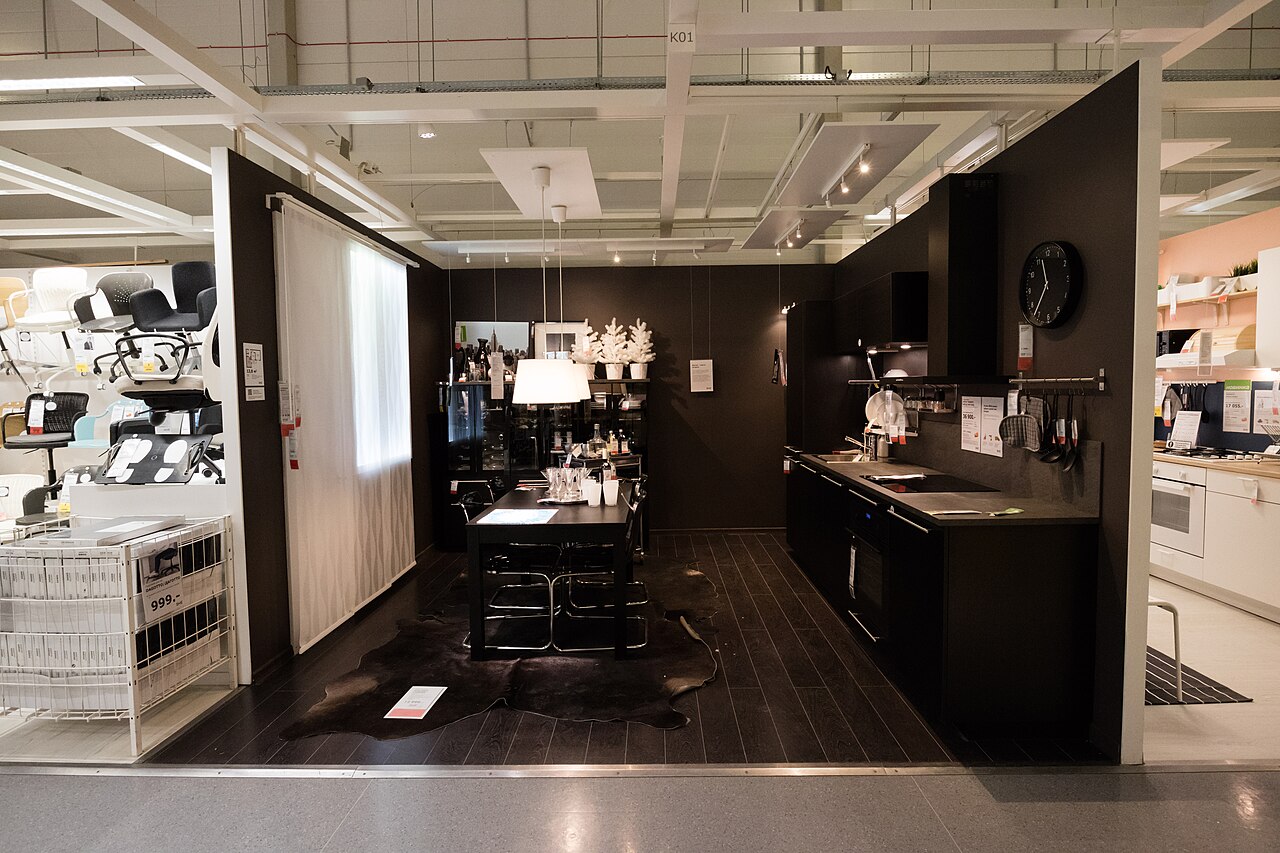
List the objects before the shelves
Choose one area of your home and list what you actually need to store there. Include the difficult shapes: a vacuum, sports equipment, tall bottles or seasonal boxes. Identify what you use daily and what can sit farther from reach. A storage display looks complete because its sample objects were selected to fit it. Your own inventory reverses that process, letting you judge the system against your needs rather than imagining that a new set of containers will solve every problem.
Bring a simple, labeled drawing
Measure the available area and note doors, windows, radiators, outlets and other fixed features. Label the measurements as your own initial notes, not installation specifications. Include a few photographs that show how the space is used. For a rental or shared property, identify approvals you would need before altering anything. Keep personal details out of the images where possible. A clear sketch can support a useful exhibition conversation without requiring you to upload a full set of household information to every vendor you meet.
Test access on the display
Ask permission before opening drawers or moving shelves. Notice how far a door swings, whether handles are comfortable to use and what must be moved to reach the back. Imagine using the storage while carrying an object, not simply standing in front of it. If several people share the space, consider their different reach and routines. A deep cabinet might hold plenty but still make daily items difficult to retrieve. Write down that trade-off instead of counting visible compartments as an automatic improvement.
Distinguish the system from the accessories
Ask which parts are included in the displayed arrangement and which are optional. Containers, lighting, dividers and fittings can change both the usefulness and the quoted cost. Get the exact names or model details for the configuration discussed. If a representative suggests custom work, ask how a site measurement and proposal would be prepared. A general exhibit price cannot safely stand in for a fitted installation. The FTC's contractor guidance is useful background when storage changes become a home improvement project rather than a movable purchase.
Keep maintenance part of the comparison
Ask how surfaces should be cleaned, how fittings can be adjusted and whether replacement parts are available through a stated process. Record the manufacturer's instructions instead of accepting a vague description such as easy care. Think about whether you can keep the system working without repeatedly emptying it. If your present difficulty is too many possessions, make time to edit the inventory as well. More storage may organize clutter, but it does not necessarily change which objects you want or need to keep.
Compare the proposal at home
Review the shortlist in the actual room. Mark which items have a clear place and which remain unresolved. Request a detailed written proposal before arranging installed work, and check the business and terms through appropriate sources. Our home-show event and venue pages can help you plan a visit; the organizer's current exhibitor list tells you whether relevant suppliers attend. This feature offers a practical measurement routine, not a recommendation for a particular brand, contractor or alteration to your property.
Continue exploring
Put the guide into practice
Current facts come from the directory. Follow the exact listing for admission, venue information and the official source.
Atlanta Home and Remodeling Show — October 2026 · Oct 30 – Nov 1, 2026 · scheduled · Check organizer for free-ticket registration and current show information.
Sources and visitor resources
- Albuquerque Home Expo: attendee information ↗
- Federal Trade Commission: choosing a home improvement contractor ↗
- Minneapolis Gift & Art Expo: artists and makers ↗
Source review: 2026-10-12. General planning guidance; confirm current details with the organizer.
General planning guidance, not firsthand event reporting. Always check the organizer’s current details.
Find your next event →