
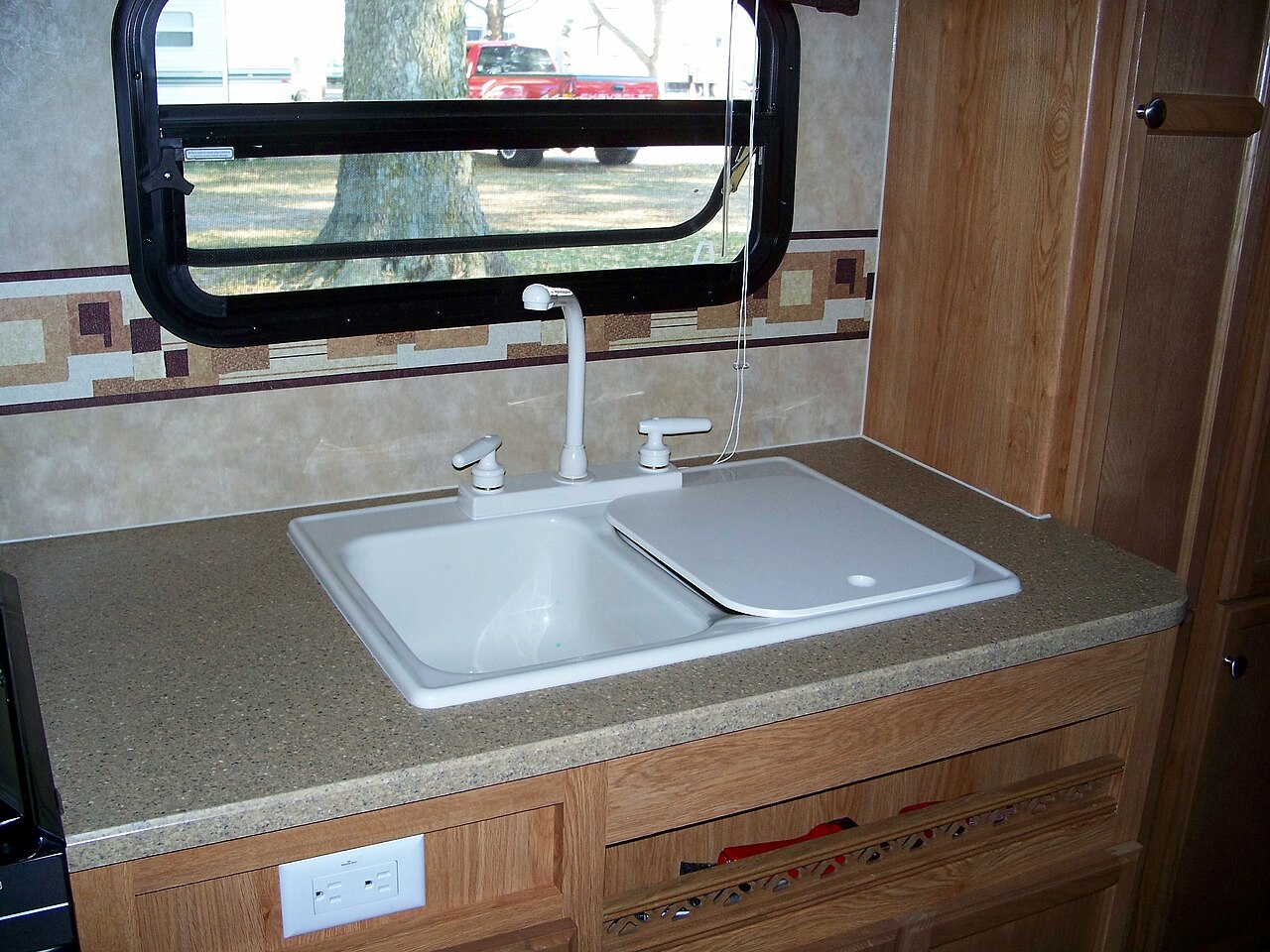
A similar cabinet can contain a different technology
Two RV refrigerators can look much alike from the aisle while using different cooling technologies. A model name, technology label and product document are more useful than the door’s appearance for understanding what is displayed. Dometic’s primary support material distinguishes absorption and compressor cooling, and its product information identifies examples of both. This feature explains how to read those terms at an exhibit through a hypothetical comparison. Model identity, technology and capacity each contribute a separate part of the appliance’s description. The useful outcome is a clearer account of which documented technology and configuration the display represents.
Separate the appliance identity from the RV identity
An RV’s model description identifies the vehicle, while the refrigerator has its own model and documentation. A broader vehicle brochure may list appliance choices or describe a range rather than one exact installed unit. In a sample exhibit, the Harbor Van range can be shown with two appliance options, while the display vehicle contains only one. Record the appliance’s label when it is available. Calling it the Harbor refrigerator could obscure the manufacturer and technology needed for later reading. The appliance and vehicle documents answer related questions, but they should not be treated as one interchangeable source.
Compressor identifies a cooling approach
Dometic’s technology explanation describes compressor cooling through a refrigerant cycle involving compression and changes of state. For an exhibit visitor, the important point is that compressor names a technology, not a cabinet size or a guarantee about every installation. A display label might identify a compressor unit while supplying separate information about capacity and supported electrical specifications. Preserve those categories. The technology name alone does not establish all of them. A brochure image showing a compressor refrigerator inside a different RV also would not prove that the vehicle in front of you contains that exact unit.
Absorption names a different cooling system
Absorption cooling uses a different process, described in the manufacturer’s technical explanation. Dometic’s RM10 support page specifically identifies that series as using absorption technology. That is a product-specific example, not a rule that every refrigerator with a similar name or exterior does the same. In the Harbor Van comparison, the second option is labeled absorption. The visitor can now distinguish the two documented approaches without pretending to observe their internal cycles through closed doors. A clear technology record can support a question for a presenter while leaving detailed operating requirements to the appliance’s actual manual.
Power-source labels describe another dimension
The cooling technology and the supported power arrangement are connected but not identical labels. A particular product’s documentation identifies its supported sources and electrical specifications. Do not assign the same combination to every appliance in a technology category. In the example exhibit, one unit’s sign might name a particular electrical supply, while another describes multiple source options. That difference belongs to the identified models. The general technology explanation cannot fill in a missing model-specific rating. A static exhibit may not even be powered in the manner used during travel, so its visible demonstration arrangement is also a separate fact to establish.
Cabinet volume does not measure performance
An appliance’s stated capacity describes a space-related quantity under its product definition. It does not, by itself, tell you how quickly it cools, how much energy it uses in a given situation or how it behaves in another installation. In the comparison, two cabinets might carry the same volume label but use different technology and internal arrangements. The equal capacity does not make them identical. Nor does the larger cabinet automatically have a superior cooling result. Read the category attached to each claim. A display can make layout visible while performance statements need the conditions and evidence supplied by the manufacturer.
A running demonstration has its own conditions
If an exhibit actually runs a refrigerator, identify what the presenter says about the demonstration: the model, the supplied source and the conditions represented. A brief observation of a cool interior is not a complete test over changing environments or repeated use. Conversely, an unpowered display can still show dimensions and shelf arrangement clearly. Describe what the sample makes visible rather than treating it as either proof of everything or evidence of nothing. The Harbor Van exercise compares labels, not temperatures. That keeps the discussion attached to documentation and avoids inventing measurements that the exhibit has not supplied.
Build an appliance record with separate fields
A useful note identifies the refrigerator model, the named cooling technology, the separately documented supply specifications and any stated capacity. Add the source for each item. If a field is absent, leave it unresolved. This structure makes two RV displays easier to describe without reducing the comparison to cabinet appearance or one technology name. At an expo, a precise question can ask which appliance document applies to the installed unit and which details belong to an optional alternative. The answer explains the display configuration while preserving the distinction between a general technology reference and the particular equipment shown.
Continue exploring
Explore related events
Current facts come from the directory. Follow the exact listing for admission, venue information and the official source.
Chicago Auto Show 2027 · Feb 13 – Feb 21, 2027 · scheduled · Check organizer for current admission availability
Sources and further reading
- Dometic: Cooling technologies explained ↗
- Dometic: RM10 refrigerator cooling unit ↗
- Dometic: Compressor versions of the 10-series ↗
Source review: 2026-10-12. Examples identified as hypothetical are original illustrations.
An independently researched feature. Worked examples are illustrative; photographs identify their archive or collection context.
Find your next event →