
Long daylight is a seasonal relationship, not a weather promise
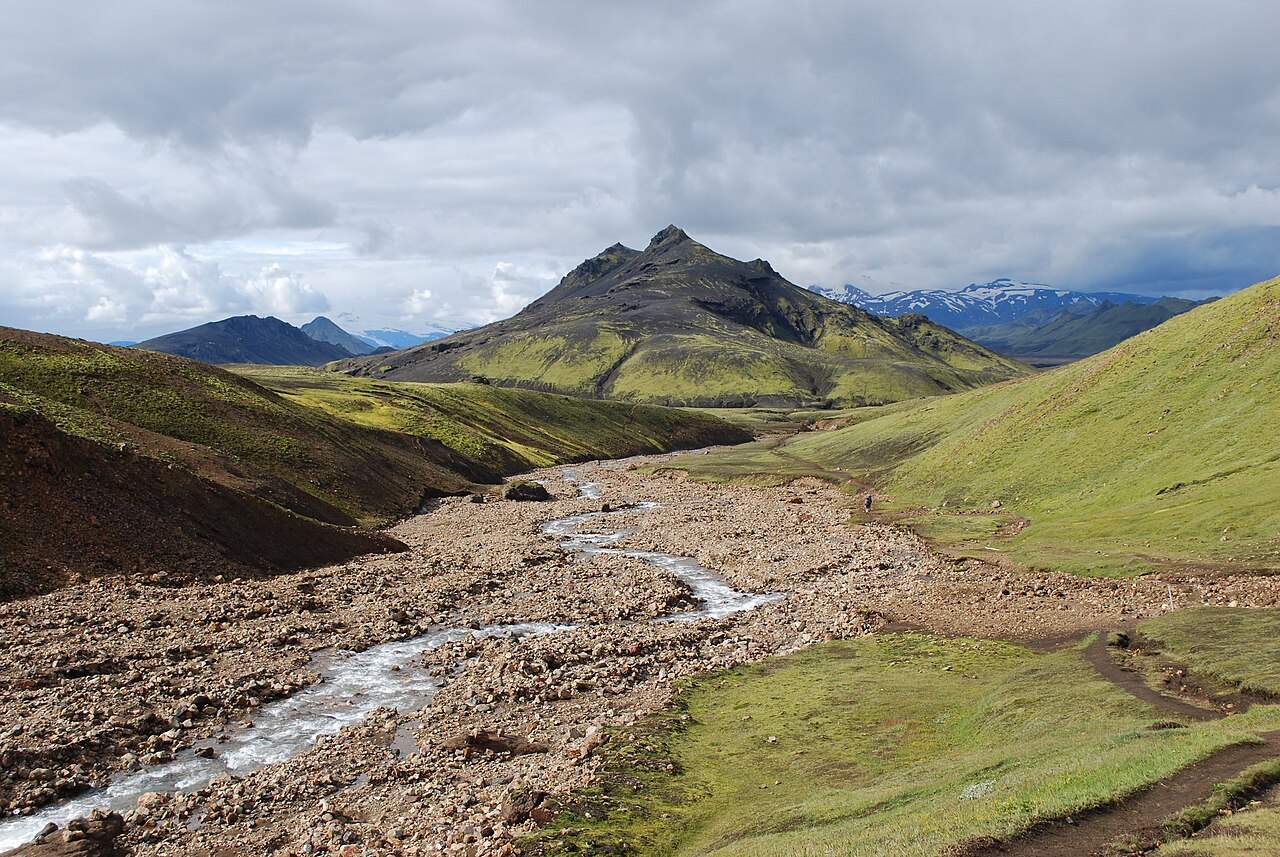
A travel-show image can present a bright evening in a high-latitude destination and describe a long summer day. Understanding that statement involves latitude, season and the definition of the times being used. NOAA’s educational resources explain Earth’s axial tilt and the seasonal contrast between hemispheres, while the U.S. Naval Observatory defines sunrise, sunset and twilight. Those primary references give the brochure’s language a physical context. The amount of astronomical daylight, the appearance of the sky and the weather experienced on a particular journey are related topics, but they are different claims that should remain identifiable in the presentation.
Latitude identifies position north or south of the equator
Latitude gives a location’s north-south relationship with the equator. A higher absolute latitude places it closer to a pole within that coordinate description. At a travel exhibit, the map can identify the position while the seasonal material describes another relationship. The same phrase summer destination can concern different months in different hemispheres. Begin with the location’s hemisphere rather than importing the visitor’s home seasonal calendar. NOAA’s seasonal explanation identifies the opposite timing of northern and southern summer, providing context for reading a brochure without making a forecast about the destination’s actual conditions.
Earth’s tilt changes the seasonal daylight pattern
Earth’s axis is tilted relative to its orbital arrangement, producing different relationships between the hemispheres and the Sun through the year. NOAA’s educational material explains how the hemisphere tilted toward the Sun experiences its summer pattern while the opposite hemisphere experiences winter. The daylight relationship therefore is not simply a consequence of the destination being far away or having a reputation for warm weather. At an exhibit, a seasonal diagram can make the geometry visible. Read it as an explanation of a recurring astronomical relationship, with the particular location and time supplying the context for a more specific daylight statement.
Compare two fictional latitude cards
Imagine an original teaching display with two northern-hemisphere location cards, one at twenty degrees north and another at sixty degrees north. The cards compare their seasonal daylight pattern without naming actual destinations or giving computed times. The higher-latitude card shows a larger contrast between summer and winter daylight in the illustrated relationship. That example identifies the comparison’s variables: hemisphere, latitude and season. It does not supply weather, activity schedules or a particular day’s sunrise. The purpose is to explain why two destinations can share a calendar season while presenting different patterns of daylight duration through the year.
Sunrise and sunset have defined meanings
USNO’s resource defines rise and set through specific astronomical conventions, including how the Sun’s apparent disk relates to the horizon. The terms therefore identify more than a casual impression that the sky looks bright or dark. At a travel display, a stated sunrise or sunset time should come with its place, date and time context. A brochure photograph can illustrate an appearance while a computed table supplies a different kind of record. Keeping those roles distinct makes a long-day claim easier to understand. The image does not independently establish the time, and the time does not describe every visual condition in the photograph.
Twilight is another part of the light sequence
Twilight concerns illumination before sunrise or after sunset under its defined astronomical categories. USNO distinguishes those categories from rise and set. A bright-looking evening can therefore include a period after the stated sunset time rather than contradicting it. At an exhibit, identify whether a description concerns time between sunrise and sunset or a broader light experience including twilight. The terms can both be useful when their scope is clear. A photograph taken in one part of that sequence should remain attached to its caption rather than being treated as a measurement of the entire destination’s daylight duration.
Clock labels and duration describe different information
A local clock time identifies an event within a stated time context, while duration describes elapsed time between events. Imagine a wholly fictional table listing sunrise at six and sunset at eighteen within one consistent clock framework. The simple difference is twelve hours under the exercise’s stated conditions. Changing the clock labels through a different reference would be another representation question, not automatically a change in the physical amount of daylight. USNO’s data resources identify time context alongside computed events. At a travel show, preserve that context so two unlabeled times from different records are not combined into one unexplained duration.
Read the brochure’s light claim precisely
A useful description identifies the location, season and kind of light statement: a daylight duration, a sunrise or sunset record, a twilight description or an illustrative image. NOAA supplies the seasonal geometry, while USNO supplies definitions and tools for the named astronomical events. The fictional cards and table show why each field matters. At an adventure exhibit, ask which part of that relationship the presentation is describing. The answer makes a bright evening or long summer day more understandable while keeping astronomical timing separate from a weather forecast or a promise about a particular journey’s experience.
Continue exploring
Explore related events
Current facts come from the directory. Follow the exact listing for admission, venue information and the official source.
Washington DC Travel & Adventure Show 2027 · Jan 16 – Jan 17, 2027 · scheduled · Check organizer for current admission availability
Sources and further reading
- NOAA: Latitude, axial tilt and hemispheric seasons ↗
- U.S. Naval Observatory: Rise, set and twilight definitions ↗
- U.S. Naval Observatory: Yearly event tables and time context ↗
Source review: 2026-10-12. Examples identified as hypothetical are original illustrations.
An independently researched feature. Worked examples are illustrative; photographs identify their archive or collection context.
Find your next event →