
The Underlying Purpose of Exhibition Prototyping Displays
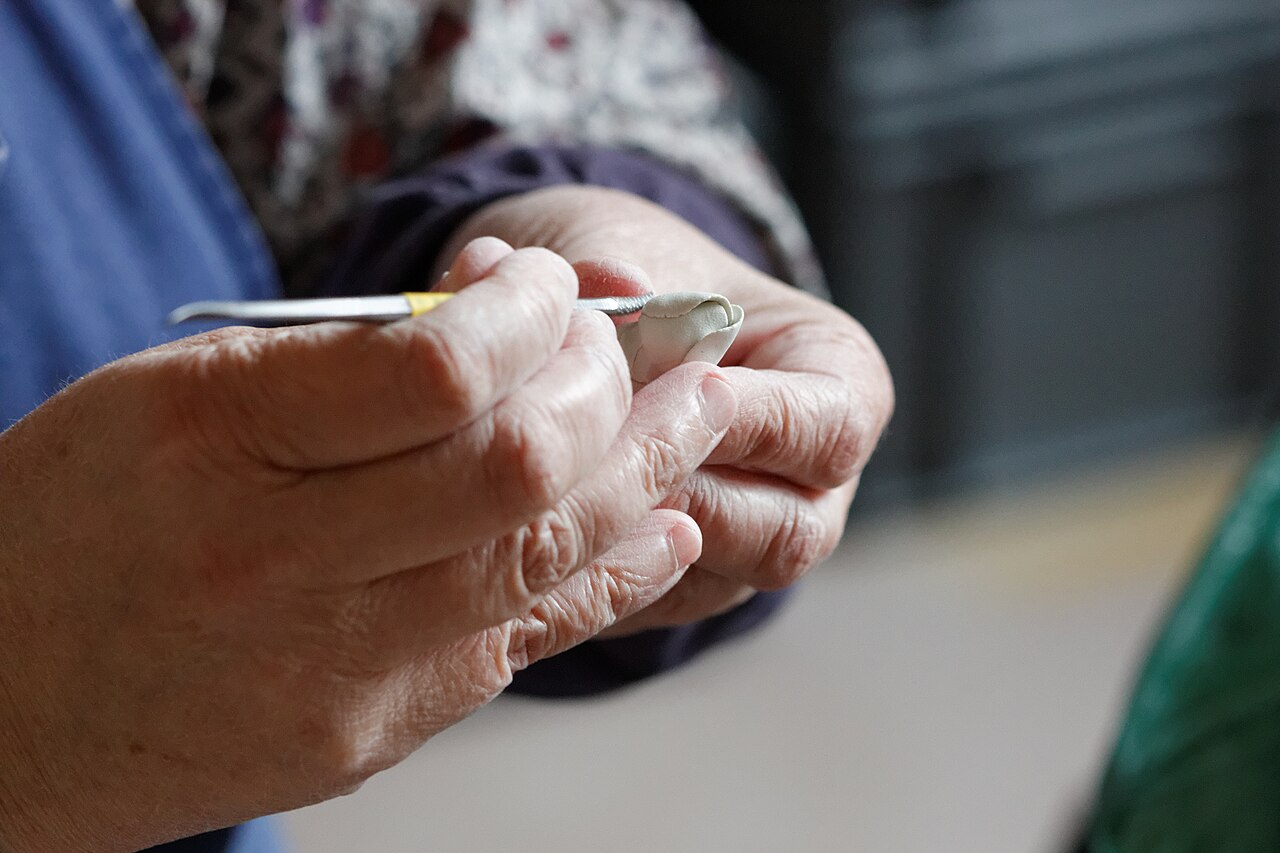
When visitors encounter design exhibitions featuring early models and test pieces, they are often witnessing crucial stages of manufacture rather than finished retail merchandise. According to the V&A East Storehouse documentation on production processes, modelling and prototyping allow makers to test methods of manufacture before mass production begins. This foundational trial phase helps refine the overall look, feel, and structural integrity of a finished object long before it reaches the commercial market. Examining these displays gives contemporary makers and curious visitors a rare window into the trial-and-error methodology that underpins historical and modern craftsmanship alike.
Tracing Historical Continuities Through Staffordshire Ceramics
Exhibition records from institutions like the V&A Wedgwood Collection highlight how factory modellers in Staffordshire created tangible models that were later translated into durable ceramics. These historical objects span centuries, ranging from eighteenth-century teapots produced in Etruria to modern commemorative medallions created in recent years. Many ongoing manufacturing lines remain heavily rooted in models conceived over two hundred and fifty years ago, continuously reinterpreted for contemporary audiences. For exhibition attendees, recognizing this continuity transforms a simple ceramic display into an ongoing technological timeline of material behavior, firing adjustments, and iterative form development.
Diverse Materials and Techniques Across Studio Practices
The physical reality of prototyping relies heavily on the specific material chosen by the maker, which dictates how easily a shape can be altered or tested. Exhibition items frequently feature unexpected substrates, ranging from dense beech and soft pine used for experimental furniture legs to traditional plaster and unglazed biscuit ceramics. Each material choice reflects distinct workshop techniques, whether that involves precision sawing, manual plaster moulding, or specialized lathe work like engine turning. By comparing these disparate material test pieces side by side, visitors can easily spot how different physical mediums influence the final design's functional constraints and aesthetic boundaries.
Architectural Design Iterations and Drawing Evolution
Beyond three-dimensional objects, major cultural archives preserve millions of architectural drawings that demonstrate how designers develop spatial ideas over time. As noted by Victoria and Albert Museum collection guides, architectural selection boxes contain drawings produced from the 1770s through to the late 1990s. These visual records capture architects moving through multiple drafts, refining floor plans, elevations, and structural sections to communicate complex spatial volumes. Studying these developmental sketches reveals that architectural innovation is rarely a sudden stroke of inspiration, but rather a methodical progression of drafted corrections, proportional adjustments, and structural hypotheses.
The Practical Value of Observing Studio Tooling
Many curated production displays include specialized workshop tools such as jiggers, bottom knockers, and specialized plaster moulds alongside the finished models. These utility items provide visitors with clear clues about the mechanical limitations and specialized human labor required to replicate complex shapes efficiently. In a practical workshop context, understanding the role of a jigger or a press mould helps modern craftspeople evaluate their own production workflows and identify bottlenecks in scaling up. Recognizing the symbiosis between hand tools and raw material preparation shifts the observer's focus from passive admiration to active technical analysis.
Separating Trial Artifacts From Finished Retail Goods
A common misstep for exhibition visitors is evaluating a functional prototype by the exact same standards applied to a finished commercial product. Prototypes often display surface imperfections, visible seam lines, unglazed patches, or handwritten inventory numbers that mark them as working iterations rather than display-ready showpieces. Catalogued items like architectural models or experimental table legs are preserved specifically to document a failed attempt, a successful geometry test, or an intermediate scale transition. Keeping this distinction clear ensures that viewers appreciate the educational value of an unfinished study without incorrectly judging the maker's technical capability.
Applying Exhibition Insights to Modern Maker Projects
For contemporary creators visiting design exhibitions, the ultimate value lies in translating historical methodology into actionable studio habits. Documenting every iteration through physical mockups, keeping detailed material notes, and preserving failed tests can dramatically accelerate product refinement in modern workshops. By adopting the rigorous trial-and-error mindset demonstrated in museum archives, independent makers can systematically solve structural problems before investing expensive materials into final production runs. Ultimately, studying how past masters tested their ideas empowers today's designers to approach their own creative challenges with greater patience and technical precision.
How this article was prepared
This article used automated drafting and checks against the linked sources. Its photograph is identified and credited separately. Please use our correction link to report an error.
Continue exploring
Explore related events
Current facts come from the directory. Follow the exact listing for admission, venue information and the official source.
International Gem & Jewelry Show — Seattle November 2026 · Nov 20 – Nov 22, 2026 · scheduled · Online and door tickets advertised — check current availability
Vintage Market Days Asheville Metro 2026 · Nov 20 – Nov 22, 2026 · scheduled · Public visitor admission advertised; check current tickets and entry rules.
Vintage Market Days Colorado Springs 2026 · Nov 20 – Nov 22, 2026 · scheduled · Public visitor admission advertised; check current tickets and entry rules.
Vintage Market Days Dallas-McKinney 2026 · Nov 20 – Nov 22, 2026 · scheduled · Public visitor admission advertised; check current tickets and entry rules.
Sources and further reading
- Processes of production - Lookup at V&A East Storehouse ↗
- Collection Selection Boxes – Architecture: The Process of Design · V&A ↗
Source review: 2026-10-23. Examples identified as hypothetical are original illustrations.
An independently researched feature. Worked examples are illustrative; photographs identify their archive or collection context.
Find your next event →










