
Understanding Large Public Venues
Major public exhibition spaces operate on a scale that requires meticulous coordination between facility operators, event organizers, and local participants. When a venue like the Dayton Convention Center or the Los Angeles Convention Center opens its doors for large-scale public programming, the operational challenge extends far beyond simply unlocking the main entrance. Facilities must balance scheduled community traditions, athletic competitions, and entertainment tours while maintaining accessibility standards. For visitors attending these high-capacity events, understanding the venue layout helps streamline arrival, security checks, and navigation through sprawling exhibition halls. Exhibition centers serve as dynamic hubs where regional communities gather for singular experiences, requiring robust logistical frameworks to ensure every attendee can enter, participate, and exit safely without unnecessary bottlenecks.
Coordinating Volunteer Workforces
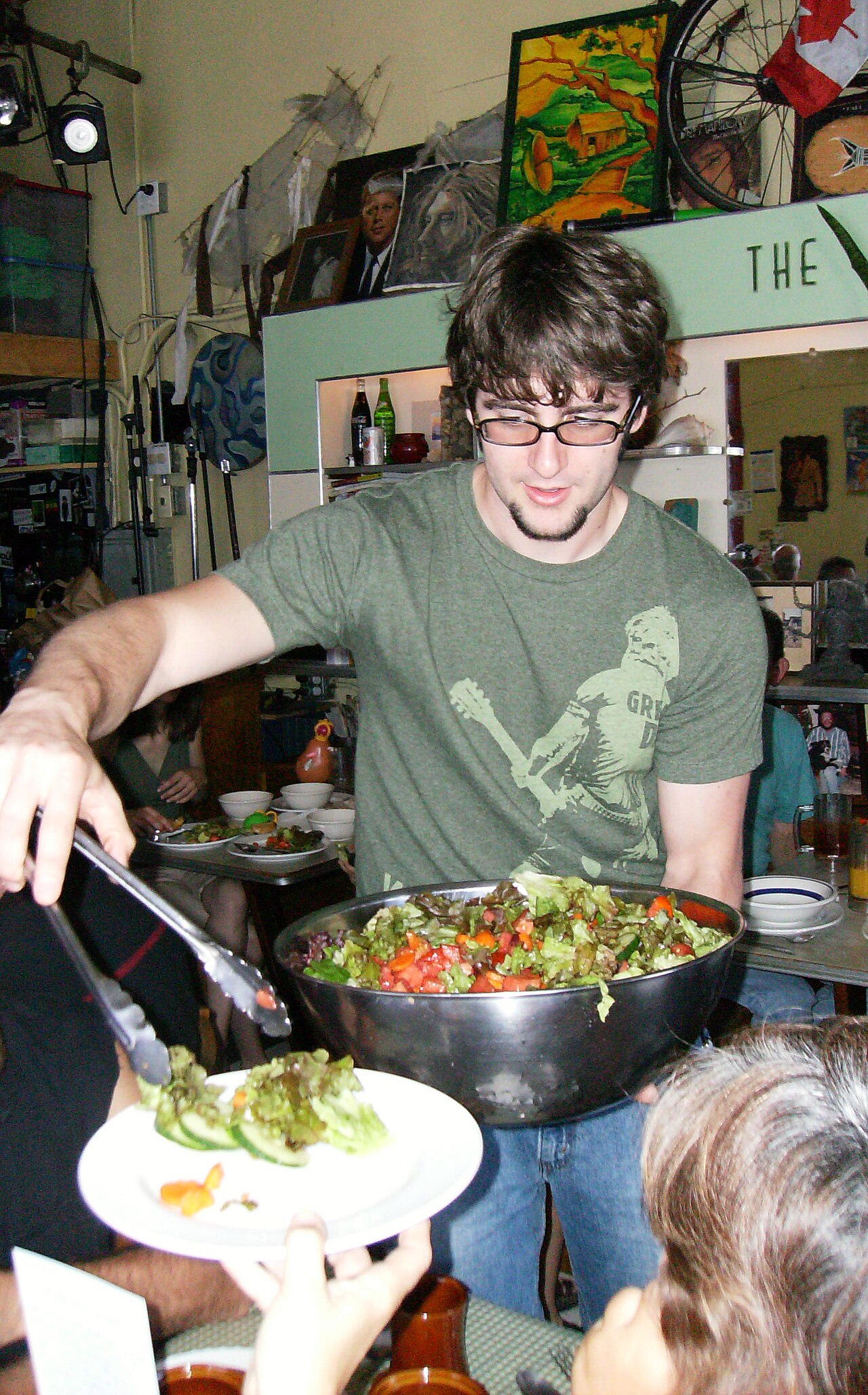
Large community traditions rely heavily on dedicated volunteer networks to manage high volumes of attendees smoothly. For events like the traditional Thanksgiving Feast of Giving, which welcomed thousands of guests and hundreds of volunteers back to the Dayton Convention Center, the human element is central to the operation. Volunteers handle everything from welcoming guests and serving meals to coordinating family activities and live music performances. Organizing these large rosters requires clear scheduling, designated briefing areas, and close communication between event coordinators and venue staff. When individuals return year after year to give back to their community, their familiarity with the building layout helps guide first-time visitors who might otherwise feel overwhelmed by the scale of the convention hall. This symbiotic relationship between staff and volunteers transforms a cavernous exhibition space into an inviting, communal environment.
Managing Arrival and Parking Logistics
Navigating multi-purpose convention centers begins well before stepping onto the exhibition floor, starting with parking structures and vehicular access. Venues such as the Los Angeles Convention Center implement structured parking policies, utilizing flat rates that typically range between thirty-five and forty-five dollars depending on the specific event and parking location. Attendees must also account for garage operating hours, which generally span from early morning until mid-evening while remaining subject to change based on evening programming. For drivers of electric vehicles, checking infrastructure availability in advance is essential; while garages often feature numerous level two charging stations, ongoing venue modernization and expansion projects can cause the operational count of these stalls to fluctuate through late decade milestones. Planning the vehicular approach minimizes arrival stress and ensures visitors reach the correct hall entrance on time.
Navigating Public Transit and Accessibility
Beyond personal vehicles, major convention facilities emphasize accessibility through public transit connectivity and adherence to federal standards. Visitors traveling from regional airports or neighboring districts can utilize accessible public transit routes or coordinate with nearby hotels regarding private shuttle availability, as the convention center itself does not operate dedicated hotel shuttles. Inside the perimeter, compliance with the Department of Justice regulations regarding ADA service animals ensures that guests with specific assistance needs are accommodated, while general pets remain prohibited from entering the facility. Furthermore, guest services teams often assist with wheelchair rentals when available, though visitors are encouraged to coordinate directly with show management or venue staff prior to arrival to guarantee equipment access. Clear signage and trained personnel bridge the gap between complex transit arrivals and comfortable indoor mobility.
Onsite Food, Beverage, and Facility Rules
Exhibition venues enforce strict policies regarding outside food, beverages, and restricted items to maintain cleanliness, safety, and exclusive catering agreements. Facilities like the Los Angeles Convention Center partner with designated in-house dining providers—such as Taste Los Angeles, powered by Levy Restaurants—to operate onsite cafes and concessions that serve attendees throughout event hours. While individuals are permitted to bring personal water bottles into the building, bulk items including entire cases of water, coolers, and outside food containers are prohibited and must be consumed outside property lines. Additionally, safety regulations dictate that helium balloons are not permitted inside the center, though guests may bring air-filled alternatives subject to event planner approval. Understanding these foundational facility rules prevents delays at security checkpoints and ensures a seamless experience for every participant.
Leveraging Onsite Business and Support Services
Navigating a major convention center often requires access to support amenities designed to handle communication and administrative needs during busy public events. Modern facilities frequently incorporate full-service business centers equipped to assist visitors and exhibitors with document management, printing, and digital communication tasks. Additionally, venues maintain designated electronic charging stations strategically placed in high-traffic zones—such as outside major halls and near administrative offices—to help attendees keep mobile devices operational throughout long event days. While traditional postal outgoing mailboxes may not be available directly on the property, guest services desks serve as central points for retrieving lost items, answering venue-specific inquiries, and coordinating with emergency medical technicians when medical assistance is required on site.
Planning a Coherent Visitor Schedule
Maximizing a visit to a large public exhibition center requires balancing scheduled program highlights with realistic pacing across expansive halls. Because venues host diverse gatherings ranging from multi-day futsal festivals and live entertainment tours to massive community holiday meals, visitor goals dictate the best approach to the building. Attendees should verify admission details and operating hours ahead of time, as not all events are open to the general public. By studying venue maps, identifying designated parking garages, and factoring in security and dining protocols, visitors can curate an efficient itinerary. Approaching a major convention center with clear logistical preparation turns a potentially overwhelming architectural space into a welcoming environment for community celebration, cultural discovery, and shared public experiences.
How this article was prepared
This article used automated drafting and checks against the linked sources. Its photograph is identified and credited separately. Please use our correction link to report an error.
Continue exploring
Explore related events
Current facts come from the directory. Follow the exact listing for admission, venue information and the official source.
APS Division of Fluid Dynamics Meeting Orlando 2026 · Nov 22 – Nov 24, 2026 · scheduled · Check the organizer for current admission, registration and availability
ASHP Midyear Clinical Meeting & Exhibition 2026 · Dec 5 – Dec 9, 2026 · scheduled · Check the organizer for current registration and availability
Groundwater Week 2026 · Dec 8 – Dec 10, 2026 · scheduled · Edition verified; admission eligibility unconfirmed
Nebraska Ag Expo 2026 · Dec 8 – Dec 10, 2026 · scheduled · Advance online registration and door admission are published by the organizer. Check the official registration page for current availability and changes.
Sources and further reading
Source review: 2026-10-29. Examples identified as hypothetical are original illustrations.
An independently researched feature. Worked examples are illustrative; photographs identify their archive or collection context.
Find your next event →










