
The outline is one layer
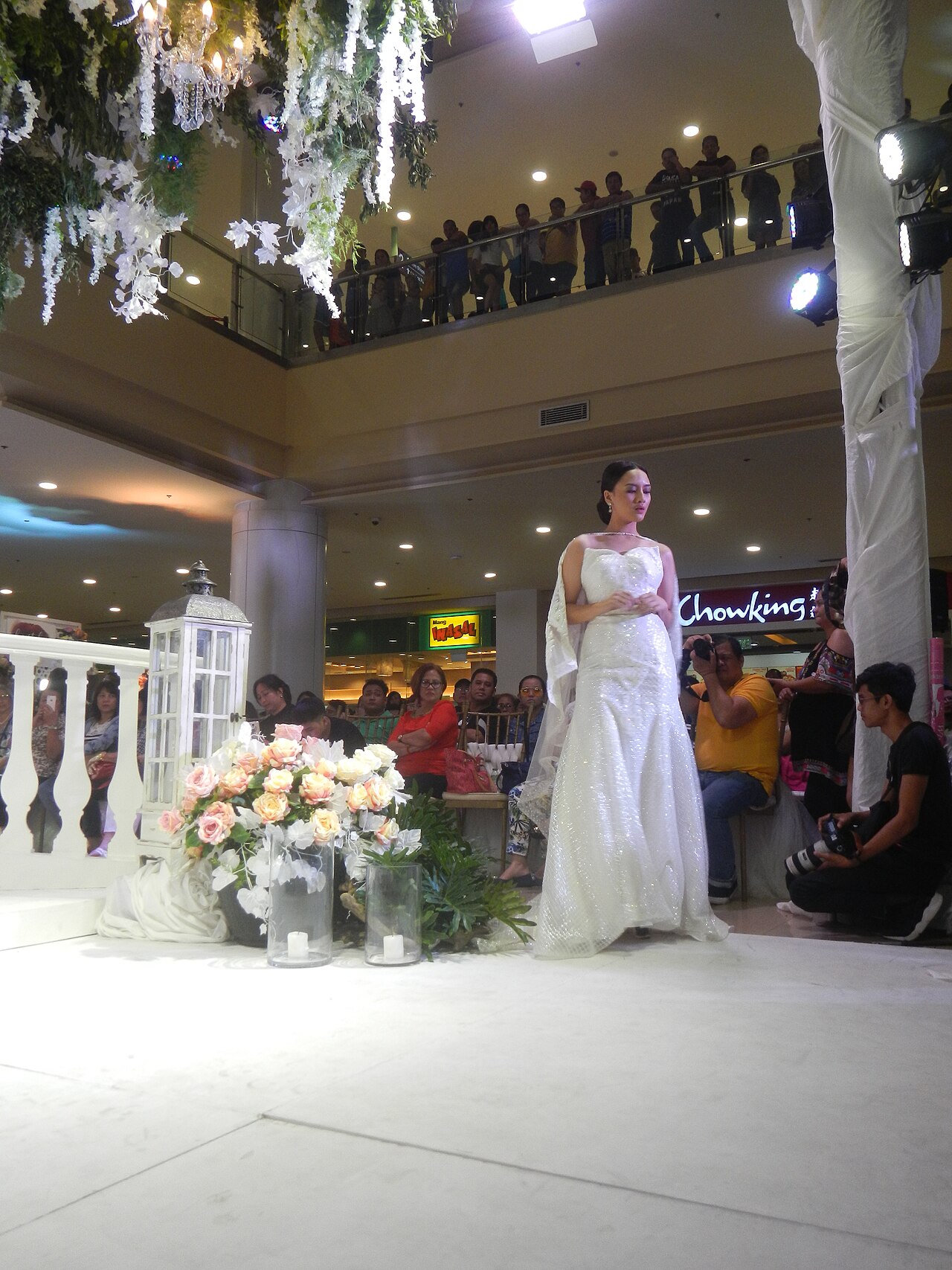
A bridal garment's silhouette is the overall outline that a viewer perceives. It is not the garment's complete construction. A museum object can illustrate the difference: the V&A's wedding-dress material presents garments whose designs reflect decisions about form, materials and making. At an expo, the visible outline is a useful starting point, but seams, layers, fastenings and decorative elements tell other parts of the story. Two garments can share a broad silhouette while differing considerably in how that outline is created. Reading those layers makes a fashion display more informative than collecting shape names alone or assuming that similar outlines mean identical garments.
Material and shape interact
A garment's appearance depends partly on the material described in its label and the way it is used. A photograph may suggest softness, shine or texture without proving the fiber content or internal structure. Preserve the distinction between a visual impression and a stated material. In a display, “lustrous surface” describes what a visitor sees, while “silk satin” is a material identification supplied by the label. These statements can support each other without becoming interchangeable. The label establishes a named material; the photograph shows how the finished garment presents it under a particular view and lighting arrangement.
Seams describe divisions
Visible seams or panels can divide the surface and contribute to the garment's form. A front photograph may reveal some of those divisions while hiding others. Treat the view as partial evidence. A technical drawing or additional image can explain the relationship between front, side and back. A spectator might note a long vertical seam on the front without assuming that the entire garment uses the same structure. Construction details belong to the specific object. Reading them carefully means locating the visible division and retaining any explanation supplied by the designer or exhibit, rather than inferring a complete pattern from one photograph.
Layers can serve different purposes
A garment can contain visible and concealed layers whose roles differ. A decorative outer layer, lining and internal structural elements should not be collapsed into one surface description. At an expo, an accompanying explanation may identify which layers are part of the displayed sample. If only the exterior is visible, record the exterior. Do not infer a particular support system from silhouette alone. Two gowns could achieve a similar outline through different combinations of materials and structure. That is precisely why the overall shape is insufficient as a complete account of how the garment is made.
Compare fictional garments with one outline
Imagine two hypothetical garments with a similar broad skirt outline. Garment A's exhibit label describes a layered exterior; Garment B's label describes a different internal construction. Both examples are fictional. From a distant photograph, a viewer might group them under one silhouette term. Their labels introduce meaningful differences that the outline does not disclose. A useful comparison has separate columns for silhouette, stated material, visible surface and described construction. Leaving an unprovided field blank is more accurate than borrowing it from the other garment. This exercise shows how similarity in one visual dimension can coexist with difference in several structural dimensions.
Ornament is not the base structure
Embroidery, appliqué or another decorative treatment can alter the visible surface without defining the garment's underlying construction. A richly ornamented bodice may attract attention away from seam placement, while a plain surface may make those divisions easier to see. Read the decoration as its own layer. The V&A's design-focused material offers examples of how an individual garment can combine several visual decisions. For an expo visitor, the practical benefit is a more exact description: identify where the ornament appears and what the label calls it, rather than allowing a broad adjective such as “detailed” to substitute for every aspect of the design.
Views answer different questions
A full-length front image communicates overall proportion. A back view can reveal another outline or fastening context. A close-up shows surface detail while excluding most of the silhouette. These images are complementary, not interchangeable. A photo folder containing all three should label them by view and object, so a detail from one garment is not accidentally attached to another. At an expo, a runway presentation and a static exhibit also show different information. Movement can change the visible outline; a static close-up can reveal a detail. Neither alone supplies every construction fact about the garment being presented.
Build a layered description
A useful description moves from broad outline to specific evidence: silhouette, stated material, visible divisions, described layers and decoration. It need not identify every hidden component or offer a fit assessment. For the pair, the conclusion might be that the outline is similar while the labels describe different construction. That is a meaningful design comparison, not a claim about which garment is better for a particular person. Reading a bridal display this way connects the visual presentation to the object's documented making. It also makes a museum photograph or archived fashion image useful as design context without presenting it as a current expo offering.
Continue exploring
Explore related events
Current facts come from the directory. Follow the exact listing for admission, venue information and the official source.
Worcester Wedding & Bridal Expo 2027 · Mar 7, 2027 · scheduled · Public admission announced — check current organizer information
Sources and further reading
Source review: 2026-10-12. Examples identified as hypothetical are original illustrations.
An independently researched feature. Worked examples are illustrative; photographs identify their archive or collection context.
Find your next event →