
Session form shapes the conversation
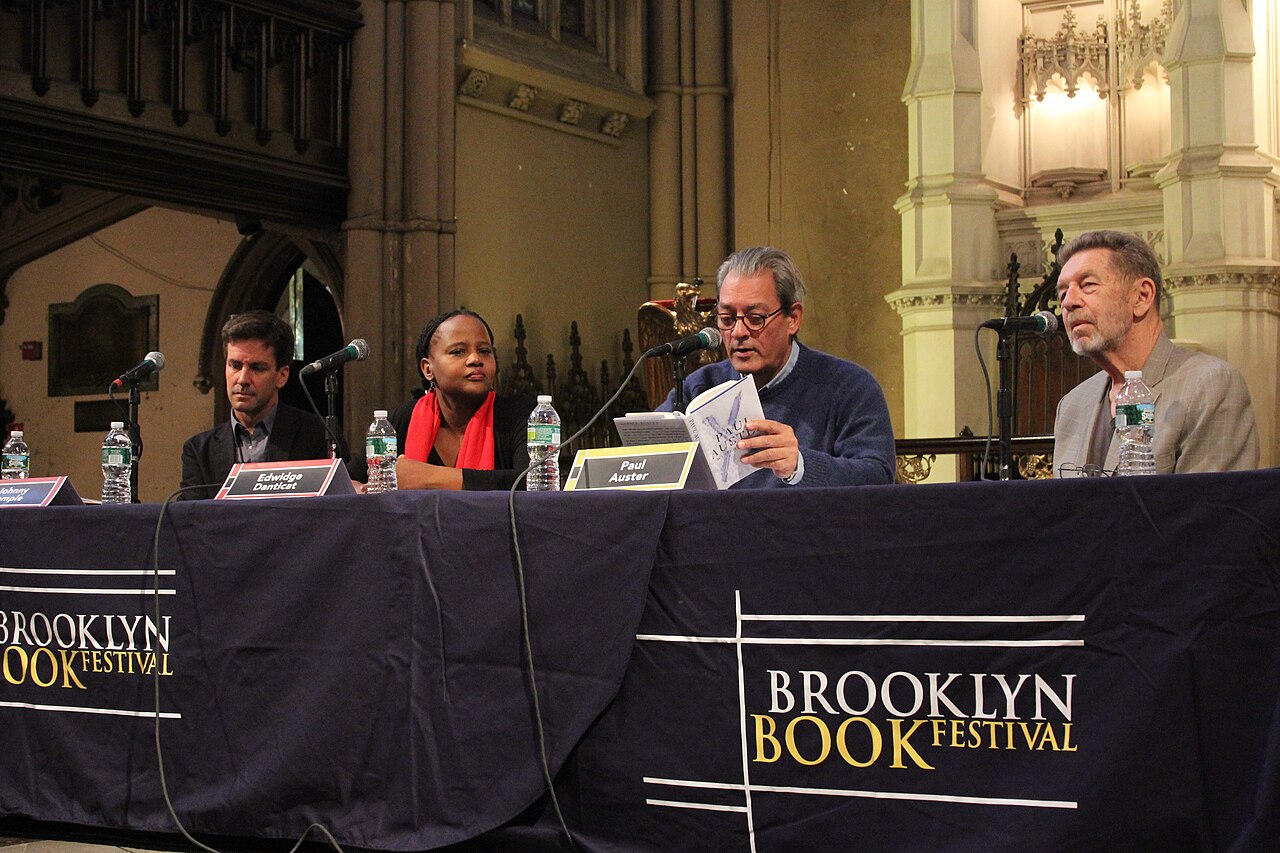
A book festival can present authors through readings, craft discussions, moderated conversations and other formats. The Library of Congress's National Book Festival program provides a current example of panels and presentations organized across literary interests. A session's format helps explain what the audience is invited to hear. A reading centers the text as performed; a craft discussion centers decisions about writing; an editorial conversation can examine how a work reaches publication. Begin with the session description rather than the author's name alone. The same person can contribute to several formats, each offering a different relationship among work, process and audience.
A reading foregrounds the text
A reading presents a selected passage or work through a voice. The selection and delivery become part of the session's form. A description may identify what will be read, while the actual event supplies the performed excerpt. Read whether the program names a full work, a passage or a selection. A short reading can introduce a larger text without representing every theme or chapter. The audience's response belongs to that selected presentation. A useful account identifies the work and the form shown, preserving the distinction between hearing an excerpt and reviewing the whole book from that one moment.
A craft talk foregrounds decisions
A craft discussion can examine choices in structure, language, research or another aspect named by the session description. Its subject is the process explained, rather than necessarily the whole work being read. A moderator's question or workshop prompt can shape the focus. Read the title and supporting description together. A broad title may be narrowed by a specific topic in the program. The audience can then follow the session through that stated purpose. This is useful when a festival offers several talks by the same author: one may discuss a work's ideas, while another concentrates on how a particular writing decision was made.
Editorial discussion foregrounds a relationship
An editorial session can involve authors, editors or other publishing roles as the program identifies them. The useful reading begins with those roles and the topic actually named. A conversation about selecting or shaping a manuscript differs from one about a text's themes. The program may supply both perspectives, but the audience should retain the distinction. A speaker's job title gives context; it does not establish that the session covers every part of publishing. The description defines the intended conversation. Reading role and topic together makes a multi-speaker panel more intelligible than treating every participant simply as a general literary expert.
Compare a fictional three-session program
Imagine a hypothetical festival with three sessions featuring Author CC. The first is a reading from a named work. The second discusses narrative structure. The third pairs the author with an editor to discuss a particular revision stage. These examples are fictional. A comparison can list format, focal object and speaker roles. The author's name repeats, but the sessions offer different forms of evidence: performed text, process explanation and an editorial relationship. The exercise shows why an attendee can understand the program's variety without assuming that every appearance tells the same story or supplies a complete account of the work.
Moderation creates a visible structure
A moderated conversation organizes questions, responses and transitions. A solo presentation uses another structure. The program's format label can make that difference visible before the session begins. During the event, a moderator may focus attention on one theme or connect several speakers' perspectives. A useful description retains the topic and roles rather than attributing every statement to the panel as a whole. This is especially important when participants disagree or speak from different experiences. The format helps explain how the discussion unfolds, while attribution preserves whose perspective supports each point in an account of the session.
Genre headings organize the wider festival
A festival program can group sessions by genre or literary interest. The Library of Congress's festival material illustrates this kind of organization. The heading helps locate a session within the program, but the individual description still supplies its form. Two sessions under one genre heading can be a reading and a process discussion. Likewise, a cross-genre conversation can have a clearly stated topic. Read the group and session as separate levels. This approach makes the wider festival easier to understand without reducing the varied formats to a single label or assuming that a genre heading predicts every subject the speakers will address.
Describe what the session actually offered
A clear account joins format, topic and roles: “The moderated discussion examined a stated writing decision through the perspectives of an author and editor.” A reading can be described through the work and selection performed. These sentences tell the reader what kind of literary encounter occurred without inventing a review of a whole book or a promise about another edition. At a public book festival, format literacy makes the program's variety meaningful. The audience can distinguish text, craft and editorial context, then appreciate how the different sessions contribute complementary ways of understanding literary work.
Continue exploring
Explore related events
Current facts come from the directory. Follow the exact listing for admission, venue information and the official source.
Sources and further reading
- Library of Congress: National Book Festival program context ↗
- Library of Congress: Festival session program ↗
Source review: 2026-10-12. Examples identified as hypothetical are original illustrations.
An independently researched feature. Worked examples are illustrative; photographs identify their archive or collection context.
Find your next event →