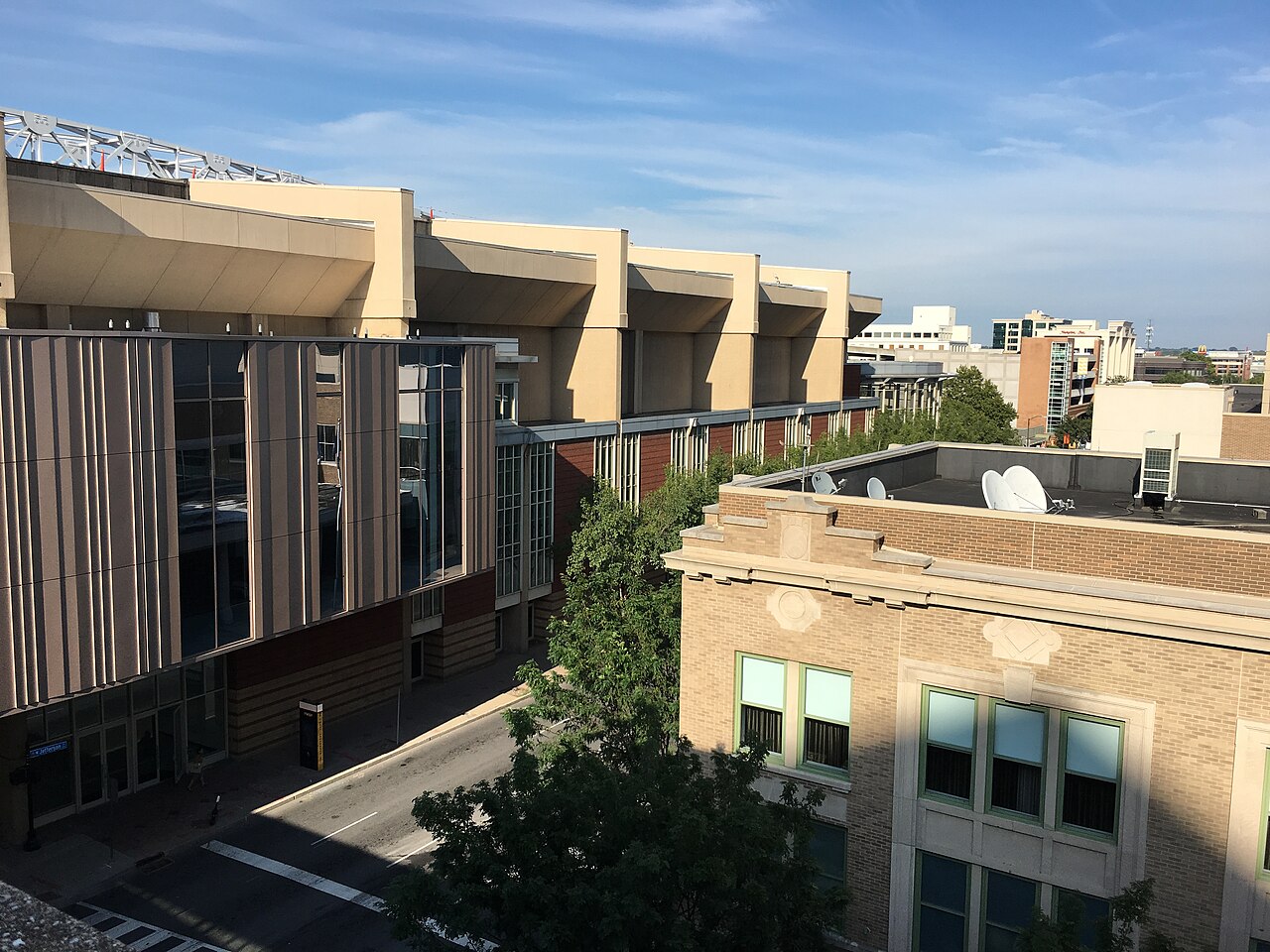
Achieving a Global First in Venue Accessibility
The Tampa Convention Center has officially secured a major milestone by becoming the first convention center in the entire world to earn TravelAbility Approved accreditation. Announced by city officials in November 2026, this recognition establishes a fresh benchmark for how large-scale meeting facilities address physical access, navigation, and visitor accommodation. Rather than treating accessibility as a mere regulatory checklist item, the venue integrated inclusive design principles directly into its operational framework. For event organizers evaluating future destinations, this accreditation provides a clear indicator that the facility meets rigorous standards for welcoming diverse attendee populations without unexpected physical barriers.
Translating Standards into Practical Event Experiences
When major trade shows, corporate conventions, and public exhibitions gather thousands of participants, navigating a sprawling facility can present distinct challenges. The TravelAbility Approved framework evaluates critical touchpoints across the building, including main entrance flows, vertical transit systems, clear wayfinding signage, and dedicated service accommodations. For event planners, utilizing a certified venue significantly streamlines the logistical burden of coordinating specialized assistance for participants with mobility, visual, or auditory needs. Instead of retrofitting temporary solutions for individual sessions, planners can rely on permanent infrastructural enhancements embedded within the center's core layout and daily management protocols.
Recognizing Industry Excellence Beyond Infrastructure
This global accessibility milestone arrives alongside broader industry accolades for the Florida facility. Earlier in November 2026, the venue earned Gold for Best U.S. Convention Center in the Prevue Visionary Awards, a distinction determined through votes cast by active meeting planners and event professionals. Additionally, EXHIBITOR Magazine named the facility a Center of Excellence for 2027, placing it among the top twenty-five convention centers globally. These combined recognitions underscore a strategic shift toward elevating service quality, spatial versatility, and hospitality standards. For corporate hosts and exhibition managers, such awards reflect consistent operational execution across multiple facets of event production.
Balancing High-Volume Visitation and Guest Comfort
Achieving top-tier status requires balancing massive visitor volumes with individualized comfort and safety. Financial and operational reports from the destination indicate record-breaking group bookings and robust taxable hotel revenues, highlighting the economic momentum driving local venues. As convention schedules grow denser, managing crowd flows and maintaining clear accessible pathways becomes paramount. Facilities that successfully manage high-capacity turnouts while preserving accessible infrastructure demonstrate that large convention spaces can scale operations efficiently without compromising the individual attendee experience or safety protocols during peak operational hours.
Evaluating Venue Selection Through an Inclusive Lens
For association executives and corporate meeting planners, vetting a potential convention site involves analyzing far more than square footage and catering minimums. Accessibility accreditation serves as a tangible proxy for overall facility management maturity and staff training readiness. When a center invests in third-party verified accessibility standards, it signals to organizers that operational teams understand the nuanced requirements of large-scale attendee populations. Planners reviewing proposals can use this credential to justify venue selection to stakeholders, ensuring that corporate social responsibility and inclusive design are prioritized at every stage of program development.
Integrating Specialized Training and Staff Preparedness
Physical infrastructure alone cannot guarantee a seamless visitor experience; frontline staff readiness remains equally critical for successful event execution. Accreditation programs typically require ongoing staff education regarding disability awareness, emergency evacuation assistance for diverse populations, and proper operation of specialized venue equipment. When facility teams undergo rigorous evaluation processes, they develop a heightened awareness of potential bottlenecks and communication gaps. Meeting organizers benefit directly from this institutional preparedness, as venue personnel can proactively address attendee inquiries and resolve accommodation requests before minor issues escalate into disruptions.
Preparing Your Next Event Strategy Around Certified Venues
As the meetings and exhibition industry continues to evolve, incorporating verified accessibility into your sourcing criteria will become an essential best practice. Event organizers should review upcoming venue contracts to confirm how facility accreditations align with their specific programmatic requirements, whether hosting an intimate trade summit or a massive multi-hall convention. By prioritizing certified spaces like Tampa's waterfront center, planners can foster more equitable, welcoming environments that accommodate every participant effectively. Review your upcoming site inspection checklists today to ensure your next gathering leverages the highest available standards of venue excellence and operational accessibility.
How this article was prepared
This article used automated drafting and checks against the linked sources. Its photograph is identified and credited separately. Please use our correction link to report an error.
Continue exploring
Sources and updates
Sources reviewed 2026-11-19. Confirm current schedules and attendance rules with the organizer.