
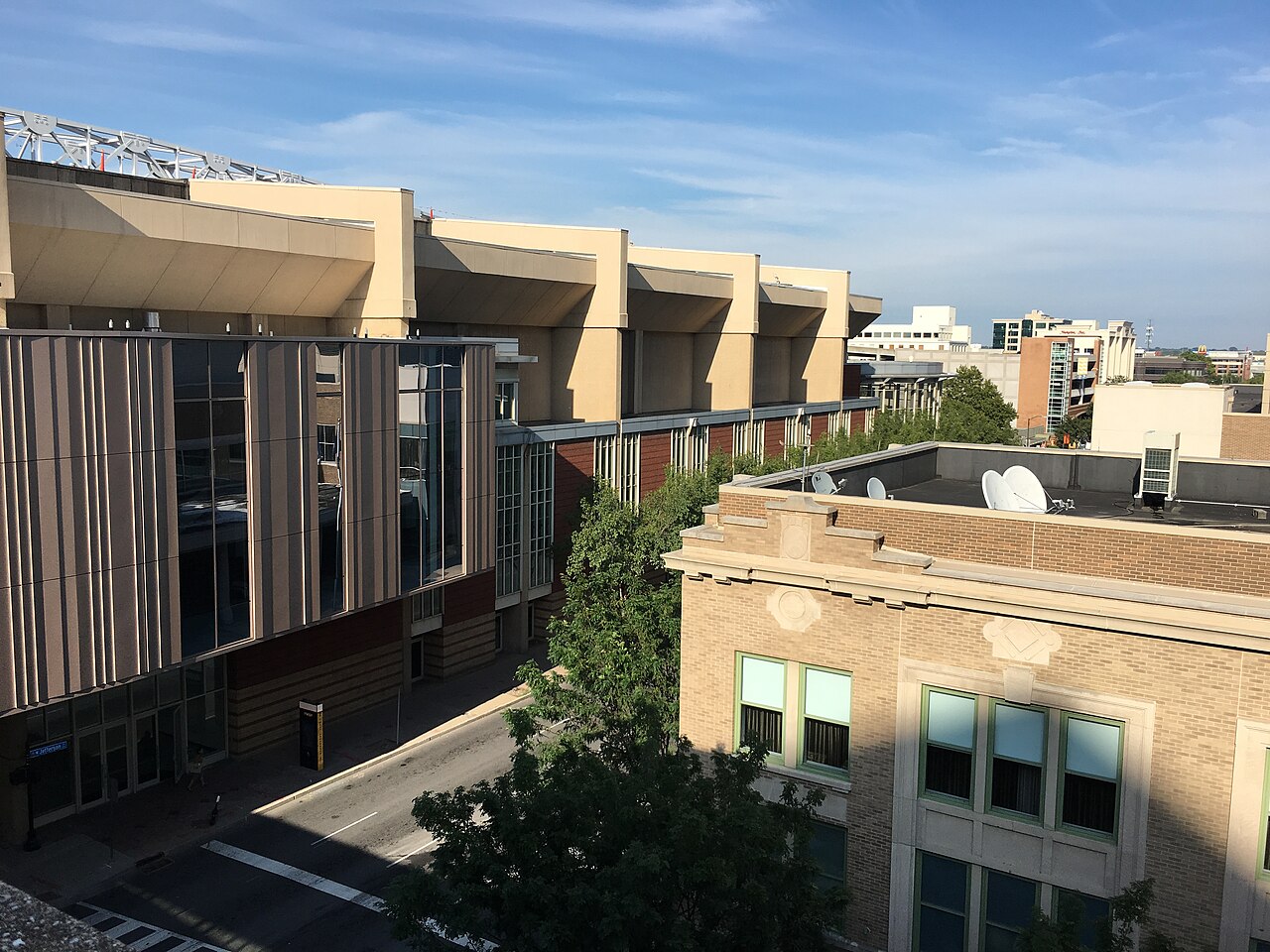
Understanding the Venue Context Through Recent Awards
When professional travelers prepare for an upcoming event at a major municipal venue, understanding the facility's recent operational standing provides helpful context. Official municipal announcements from November 2026 highlight that the Tampa Convention Center earned Gold for Best U.S. Convention Center in the Prevue Visionary Awards, alongside being named a 2027 Center of Excellence by EXHIBITOR Magazine. For attendees and meeting planners, these recognitions reflect consistent peer review and operational evaluation by event professionals. Examining such accolades before travel helps visitors set realistic expectations regarding facility management, navigation standards, and floor plan flexibility. Rather than treating awards as mere promotional milestones, visitors can view them as indicators of reliable logistical support, clear wayfinding, and established service infrastructure for large-scale business gatherings.
Navigating Downtown Arrivals and Local Infrastructure
Arriving at a prominent downtown waterfront facility requires careful attention to surrounding regional transit and neighborhood layouts. Situated along South Franklin Street within the Tampa Downtown Partnership district, the convention center connects easily with local mobility networks, including protected cycling routes and regional arterial roads. Visitors planning an extended conference stay should evaluate parking availability, rideshare zones, and pedestrian access points well in advance. Because downtown event calendars frequently overlap with community festivals, athletic competitions, and municipal activities, traffic density can fluctuate rapidly throughout the week. Reviewing local traffic advisories and public transit schedules helps attendees minimize transit delays and ensure punctual arrival for registration windows, keynote presentations, and structured networking sessions hosted within the facility's primary exhibition halls.
Preparing for Trade-Only Dynamics and Access Rules
Not all convention center bookings operate under open-admission public guidelines, making it essential to verify whether an upcoming program is restricted to trade professionals. For example, the scheduled LMC Annual Meeting, set for March 23 through March 25, 2027, serves independent lumber and building material dealers and operates as a business-to-business trade gathering rather than a public exhibition. Attendees must verify badge criteria, registration prerequisites, and credential pickup policies prior to departure. Understanding these access distinctions prevents unnecessary travel friction and ensures that participants align their schedules with official hours. Trade-focused events typically emphasize market intelligence, purchasing strategy formulation, and structured vendor networking, requiring participants to arrive with clear objectives and pre-scheduled appointments to maximize their time on the exhibition floor.
Leveraging Regional Business and Economic Resources
Major industry gatherings often draw participants who seek broader commercial opportunities beyond the immediate exhibit floor. The City of Tampa maintains various economic development resources and small business support frameworks through municipal departments and specialized navigators designed to connect visiting enterprises with regional networks. Business travelers attending trade conventions can utilize these municipal touchpoints to explore local chambers of commerce, industry incubators, and trade grant opportunities if their organizations maintain qualifying local operations. Investigating these economic initiatives adds professional depth to a convention trip, allowing attendees to bridge national association networking with regional market research. Familiarizing oneself with local business support programs ensures that visiting delegates leave with actionable insights into regional supply chains and commercial development incentives.
Structuring Your Exhibition Schedule for Maximum Value
A successful convention visit relies on careful daily pacing and deliberate scheduling across available hall spaces. Large exhibition spaces such as the East, Central, and West exhibit halls at the Tampa Convention Center host diverse programming that requires strategic time management. Attendees should review floor plans, exhibitor directories, and educational session tracks before entering the building to avoid aimless wandering. Balancing structured seminar attendance with dedicated networking intervals prevents burnout and ensures complete coverage of priority vendors. By establishing clear daily milestones and mapping out meeting locations in advance, visitors can navigate expansive trade environments efficiently and leave adequate time for post-session follow-up tasks and digital note organization.
Accommodations and Accessibility Considerations for Groups
Coordinating travel logistics for a large corporate delegation or independent business team requires meticulous attention to accessibility accommodations and nearby lodging options. Meeting planners and attendees should review municipal accommodation guidelines and request necessary ADA disability accommodations directly through official event coordinators or venue liaisons well ahead of arrival. Ensuring that all participants understand venue accessibility features, elevator locations, and reserved seating areas promotes an inclusive and comfortable conference experience. Furthermore, booking lodgings within walking distance or along reliable transit corridors reduces daily commute stress, allowing team members to focus entirely on educational workshops, supplier evaluations, and collaborative evening discussions.
Post-Event Review and Translating Notes Into Action
The value of any convention or trade exhibition extends far beyond the final closing bell, making structured post-event follow-up an essential professional habit. Before leaving the venue, attendees should organize their collected literature, digital contact files, and meeting notes into a coherent summary for their home office or team members. Translating raw promotional brochures and supplier catalogs into actionable purchasing strategies or market intelligence reports ensures that the financial and time investment in the convention yields measurable organizational results. By scheduling internal debrief meetings shortly after returning, professionals can review new industry partnerships, evaluate emerging product trends observed on the exhibit floor, and set clear timelines for executing procurement strategies developed during the event.
How this article was prepared
This article used automated drafting and checks against the linked sources. Its photograph is identified and credited separately. Please use our correction link to report an error.
Continue exploring
Sources and updates
- 2027 LMC Annual Meeting | City of Tampa ↗
- News & Public Notices | City of Tampa ↗
- Economic Opportunity | City of Tampa ↗
Sources reviewed 2026-11-07. Confirm current schedules and attendance rules with the organizer.











